
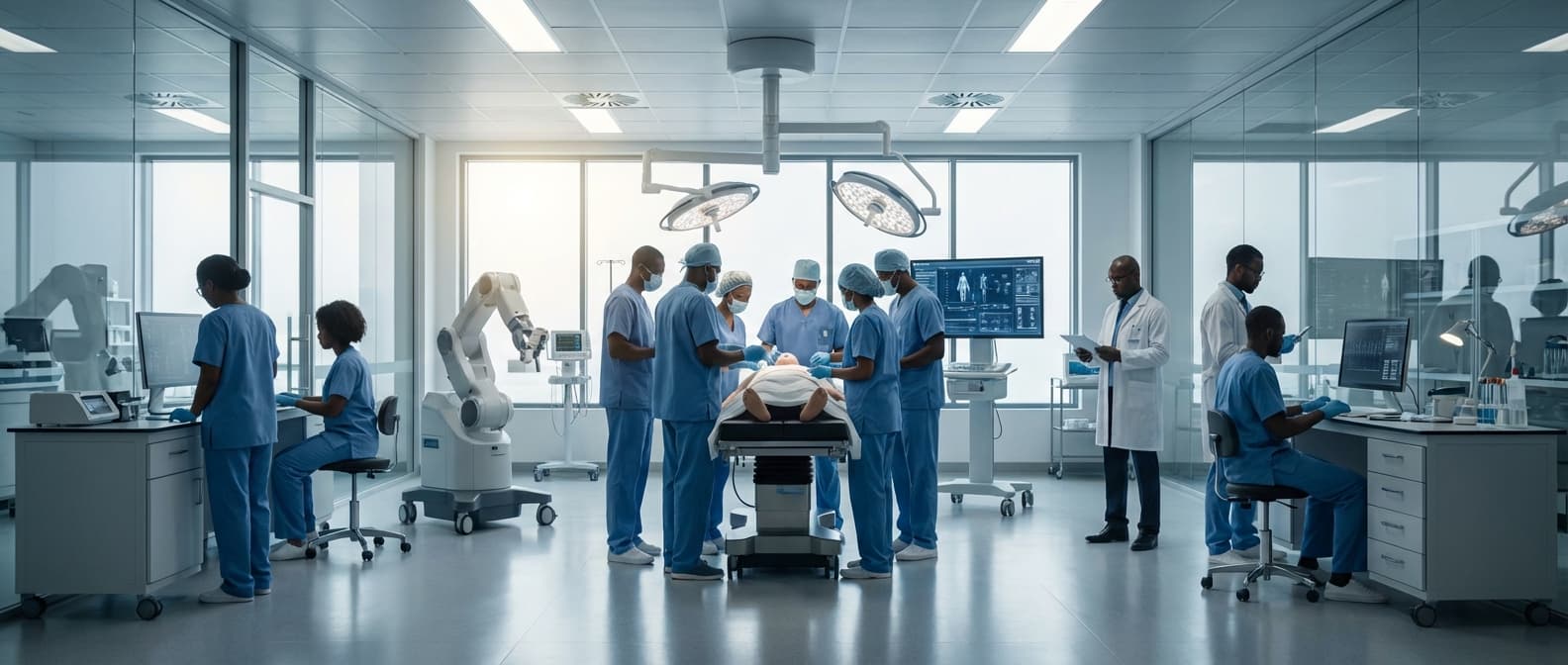
Biomedical Engineering Consulting in Botswana
Engineering Excellence & Technical Support
Equipment selection, procurement and implementation consulting High-standard technical execution following OEM protocols and local regulatory frameworks.
Advanced Medical Device Integration
Leveraging cutting-edge biomedical engineering principles to seamlessly integrate new and existing medical devices within Botswana's healthcare infrastructure, ensuring interoperability, data security, and optimal clinical workflow for improved patient care.
Biocompatible Material Selection & Design
Providing expert consultation on the selection and design of biocompatible materials for medical implants and prosthetics, considering local physiological conditions and regulatory standards to enhance patient safety and device longevity in the Botswana context.
Healthcare Technology Needs Assessment & Strategy
Conducting comprehensive assessments of current healthcare technology capabilities and identifying strategic needs for acquisition, implementation, and maintenance of biomedical equipment to address Botswana's unique healthcare challenges and promote sustainable innovation.
What Is Biomedical Engineering Consulting In Botswana?
Biomedical Engineering Consulting in Botswana refers to the provision of specialized technical expertise and advisory services related to the design, implementation, maintenance, and optimization of medical technologies and healthcare systems within the country. This service leverages the principles of engineering, medicine, and biology to address challenges and opportunities in the healthcare sector. It encompasses a broad spectrum of activities, from advising on the procurement of medical equipment to developing strategies for clinical engineering departments and ensuring compliance with regulatory frameworks. The primary objective is to enhance the quality, efficiency, safety, and accessibility of healthcare services through informed technological integration and management.
| Who Needs Biomedical Engineering Consulting? | Typical Use Cases |
|---|---|
| Public Healthcare Providers (Ministry of Health, District Hospitals, Primary Healthcare Facilities) | Developing national medical equipment procurement strategies; establishing centralized clinical engineering units; ensuring equipment maintenance in remote areas; optimizing resource allocation for medical technology. |
| Private Healthcare Institutions (Hospitals, Clinics, Diagnostic Centers) | Acquiring state-of-the-art diagnostic and therapeutic equipment; implementing efficient equipment lifecycle management; ensuring compliance with private healthcare facility accreditation standards; optimizing departmental workflows through technology. |
| Medical Device Manufacturers & Distributors (Local and International) | Market entry strategies; understanding local regulatory requirements; establishing after-sales service and support networks; conducting user training and technical support. |
| Government Regulatory Bodies | Developing technical standards for medical devices; evaluating pre-market approval submissions; conducting post-market surveillance; capacity building for regulatory personnel. |
| Academic and Research Institutions | Establishing and equipping research laboratories; advising on the selection of specialized scientific instrumentation; supporting translational research projects. |
| Non-Governmental Organizations (NGOs) & International Development Agencies | Implementing healthcare projects requiring medical equipment; needs assessments for humanitarian aid; training local healthcare professionals; establishing sustainable equipment management programs. |
| Investors & Financial Institutions | Due diligence on healthcare asset investments; valuation of medical equipment portfolios; assessing the technical viability of healthcare projects. |
Key Components of Biomedical Engineering Consulting in Botswana:
- Medical Equipment Planning & Procurement: Assisting healthcare facilities in identifying needs, evaluating specifications, and selecting appropriate medical devices, ensuring cost-effectiveness and alignment with clinical requirements.
- Installation, Commissioning & Training: Overseeing the proper installation and validation of medical equipment, and providing comprehensive training to clinical and technical staff on its operation and maintenance.
- Clinical Engineering Management: Developing and implementing robust clinical engineering programs to manage the lifecycle of medical devices, including maintenance, repair, calibration, risk management, and inventory control.
- Biomedical Technology Assessment & Strategy: Evaluating existing technological infrastructure, identifying areas for improvement, and formulating strategies for the adoption of new technologies.
- Healthcare Facility Design & Infrastructure: Providing input on the design of healthcare facilities, ensuring optimal layout, power requirements, environmental controls, and integration of medical gas systems for medical equipment.
- Regulatory Compliance & Standards: Advising on adherence to national and international standards and regulations governing medical devices and healthcare technologies.
- Quality Assurance & Safety: Implementing protocols for ensuring the safe and effective use of medical equipment, including risk assessments and incident investigations.
- Technology Audits & Due Diligence: Conducting independent assessments of biomedical infrastructure for mergers, acquisitions, or investment purposes.
- IT Integration in Healthcare: Advising on the integration of medical devices with hospital information systems (HIS) and electronic health records (EHRs).
- Research & Development Support: Assisting local innovators and institutions in developing and commercializing biomedical technologies.
Who Needs Biomedical Engineering Consulting In Botswana?
Biomedical Engineering (BME) consulting in Botswana is a vital service for a nation committed to advancing its healthcare infrastructure and ensuring the optimal performance of its medical technologies. These specialized services are crucial for bridging the gap between technological innovation and effective healthcare delivery. BME consultants bring expertise in areas such as medical equipment lifecycle management, safety and compliance, technology assessment, and infrastructure development, all of which are critical for a developing healthcare system. Their guidance helps institutions make informed decisions, improve patient care, and maximize the return on investment in medical technology.
| Target Customer | Key Departments/Areas of Need | Specific Consulting Services Required |
|---|---|---|
| Public Hospitals (e.g., Princess Marina Hospital, Nyangabwe Referral Hospital) | Biomedical Engineering Department, Procurement Department, Clinical Departments (Surgery, Cardiology, Radiology, etc.), Information Technology Department, Quality Assurance Department | Medical equipment procurement strategy, equipment lifecycle management plans, preventive maintenance program development, medical device quality and safety audits, risk management, clinical engineering services, training on new equipment, IT integration of medical devices, regulatory compliance assistance. |
| Private Hospitals & Clinics | Hospital Administration, Clinical Departments, Procurement, Biomedical Services (in-house or outsourced) | Technology needs assessment, equipment selection and validation, maintenance contract negotiation, operational efficiency improvements, patient safety protocols, infection control related to medical devices, modernization of existing facilities. |
| Ministry of Health and Wellness | Policy and Planning Department, Procurement and Logistics Department, Health Infrastructure Unit, Disease Control Units, National Health Laboratory Services | National medical equipment strategy development, procurement policies and guidelines, national medical device registration and regulation support, health technology assessment, development of standards for healthcare facilities, emergency preparedness and response equipment planning, support for public health programs' technological needs. |
| Botswana Medicines Regulatory Authority (BOMRA) | Medical Device Division, Post-Market Surveillance Unit | Development and implementation of medical device regulations and standards, assistance with device registration processes, guidance on post-market surveillance, quality management system assessment for local manufacturers/importers. |
| Medical Equipment Manufacturers & Distributors (Local & International) | Sales & Marketing, Technical Support, Regulatory Affairs, Service Departments | Market entry strategy for Botswana, understanding local regulatory requirements, training local technicians, establishing service and maintenance networks, product registration support, supply chain optimization. |
| Universities & Colleges (e.g., University of Botswana, BIUST) | Engineering Departments, Medical Schools, Research Laboratories | Curriculum development for biomedical engineering programs, setting up and equipping research laboratories, technical consultation on research projects involving medical devices, student internship placement and supervision. |
| Non-Governmental Organizations (NGOs) & International Development Partners (e.g., WHO, UNICEF, USAID) | Program Management, Procurement, Technical Advisors | Needs assessments for medical equipment in specific projects, procurement of medical supplies and equipment for humanitarian aid or development projects, capacity building initiatives for local healthcare professionals and technicians, evaluation of health technology interventions. |
Target Customers and Departments Requiring Biomedical Engineering Consulting in Botswana
- Healthcare Institutions (Public & Private)
- Government Ministries & Agencies
- Medical Equipment Manufacturers & Distributors
- Educational & Research Institutions
- Non-Governmental Organizations (NGOs) & International Development Partners
Biomedical Engineering Consulting Process In Botswana
The biomedical engineering consulting process in Botswana, while adhering to general industry best practices, is tailored to the unique regulatory environment, resource availability, and healthcare infrastructure of the country. This workflow outlines the typical stages from an initial client inquiry to the successful execution and completion of a consulting project.
| Stage | Description | Key Activities | Typical Deliverables | Considerations for Botswana |
|---|---|---|---|---|
| 1. Initial Inquiry & Needs Assessment | The process begins when a client (e.g., hospital, clinic, government ministry, manufacturer) reaches out with a specific need or problem. | Understanding the client's objectives, challenges, and desired outcomes. Conducting preliminary discussions to define the scope and feasibility. | Initial meeting minutes, basic problem statement. | Understanding local healthcare priorities, existing infrastructure limitations, and government health sector strategies (e.g., National Health Strategy). Identifying potential stakeholders within the Ministry of Health and Wellness (MoHW) or other relevant bodies. |
| 2. Proposal Development & Submission | Based on the needs assessment, the consultant develops a comprehensive proposal outlining the services, methodology, timeline, and costs. | Defining the project scope, objectives, methodology, team roles, deliverables, timeline, and budget. Researching relevant local standards and regulations. | Formal project proposal, including scope of work, budget, timeline, and consultant qualifications. | Ensuring alignment with Botswana's procurement processes, especially for government projects. Highlighting understanding of local regulatory frameworks (e.g., Botswana Health Professions Council requirements for certain activities). |
| 3. Contract Negotiation & Signing | Discussions and adjustments to the proposal to reach mutually agreeable terms. | Negotiating fees, payment schedules, intellectual property rights, confidentiality, and legal clauses. Finalizing the contract agreement. | Signed consultancy agreement or Memorandum of Understanding (MoU). | Understanding local contract law. Ensuring clear clauses regarding data protection and patient confidentiality in line with any emerging data privacy legislation. |
| 4. Project Planning & Scoping | Detailed planning to ensure efficient execution. | Developing a detailed project plan, risk management strategy, communication plan, and resource allocation. Defining specific project milestones and KPIs. | Detailed project plan, risk register, communication matrix. | Considering logistical challenges, travel times between facilities (especially in remote areas), and availability of local expertise or technical support. Planning for potential equipment import procedures if applicable. |
| 5. Information Gathering & Analysis | Collecting all necessary data and information to understand the problem thoroughly. | Site visits, interviews with stakeholders, review of existing documentation (e.g., equipment inventories, maintenance records, clinical protocols), data analysis, and benchmarking. | Diagnostic reports, needs assessment reports, gap analysis. | Engaging with local biomedical technicians and clinical staff to understand their practical challenges and existing knowledge. Assessing the condition and availability of existing infrastructure (power, connectivity). |
| 6. Solution Design & Development | Developing tailored solutions based on the gathered information and identified needs. | Designing equipment specifications, developing protocols, creating workflow improvements, or recommending technological interventions. Developing training materials. | Technical specifications, standard operating procedures (SOPs), process maps, system designs, training modules. | Prioritizing solutions that are sustainable, cost-effective, and easy to maintain within the local context. Considering the availability of spare parts and local servicing capabilities. Adhering to MoHW guidelines for medical device procurement and use. |
| 7. Implementation & Execution | Putting the designed solutions into practice. | Procurement, installation, and commissioning of equipment; system integration; pilot testing; workflow implementation; change management. | Installed and commissioned equipment, implemented workflows, pilot study reports. | Working closely with local suppliers and service providers. Ensuring compliance with all safety and quality standards during installation. Managing logistics for equipment delivery and customs clearance. |
| 8. Training & Capacity Building | Equipping local personnel with the necessary skills to operate and maintain the implemented solutions. | Conducting hands-on training sessions for clinicians, technicians, and administrators. Developing manuals and user guides. | Training reports, trained personnel, user manuals. | Tailoring training content to the literacy levels and existing skill sets of the target audience. Offering practical, on-the-job training. Considering the potential for 'train-the-trainer' programs to build long-term local capacity. |
| 9. Monitoring & Evaluation | Assessing the effectiveness and impact of the implemented solutions. | Collecting performance data, measuring KPIs, gathering feedback, and making necessary adjustments. | Performance reports, impact assessments, recommendations for further improvement. | Establishing clear metrics that reflect improvements in patient care, operational efficiency, or cost savings. Regularly reporting progress to the MoHW or relevant authorities. |
| 10. Project Closure & Handover | Formally concluding the project and transferring knowledge and responsibility. | Final reporting, knowledge transfer sessions, project documentation archival, and formal handover to the client. Obtaining final client sign-off. | Final project report, archived documentation, handover certificate. | Ensuring a smooth transition for ongoing maintenance and support. Providing recommendations for future development and sustainability. |
Biomedical Engineering Consulting Process in Botswana: Workflow Stages
- 1. Initial Inquiry & Needs Assessment:
- 2. Proposal Development & Submission:
- 3. Contract Negotiation & Signing:
- 4. Project Planning & Scoping:
- 5. Information Gathering & Analysis:
- 6. Solution Design & Development:
- 7. Implementation & Execution:
- 8. Training & Capacity Building:
- 9. Monitoring & Evaluation:
- 10. Project Closure & Handover:
Biomedical Engineering Consulting Cost In Botswana
Biomedical engineering consulting costs in Botswana can vary significantly depending on several factors. These include the complexity of the project, the experience and specialization of the consultant, the duration of the engagement, and the specific services required. For instance, a simple consultation on medical equipment maintenance might be at the lower end, while a full-scale hospital design or medical device regulatory compliance project would command higher fees. The economic landscape of Botswana, including inflation and the general cost of doing business, also plays a role. Clients can expect a range of pricing structures, from hourly rates to project-based fixed fees, and sometimes even retainer agreements for ongoing support.
| Service Type | Estimated Hourly Rate (BWP) | Estimated Project Fee Range (BWP) |
|---|---|---|
| General Advice & Needs Assessment | 350 - 700 | 2,000 - 10,000 |
| Medical Equipment Selection & Procurement Support | 400 - 800 | 5,000 - 25,000 |
| Equipment Maintenance & Service Strategy Development | 450 - 900 | 7,500 - 30,000 |
| Hospital/Clinic Design & Planning (Biomedical Aspects) | 600 - 1200 | 50,000 - 250,000+ |
| Medical Device Regulatory Compliance (e.g., Registration) | 500 - 1000 | 15,000 - 75,000 |
| Equipment Installation & Validation | 400 - 800 | 10,000 - 50,000 |
| Specialized Training & Capacity Building | 400 - 900 | 8,000 - 40,000 |
| Complex Project Management (e.g., large tenders, new facility setup) | 700 - 1500 | 100,000 - 500,000+ |
Key Pricing Factors for Biomedical Engineering Consulting in Botswana
- Project Scope and Complexity: The sheer scale and technical intricacy of the engineering challenge.
- Consultant's Experience and Expertise: Senior consultants with specialized knowledge will charge more.
- Duration of Engagement: The length of time the consultant is required for the project.
- Specific Services Required: This could range from advice and design to installation, validation, and training.
- Regulatory Compliance Needs: Projects involving adherence to national and international medical device regulations.
- Travel and Accommodation: If the consultant needs to travel extensively within Botswana or internationally.
- Market Demand and Competition: The availability of qualified consultants in the local market.
- Client's Budget and Resources: Larger institutions may have different budgeting capabilities than smaller clinics.
Affordable Biomedical Engineering Consulting Options
Biomedical engineering consulting can be a significant investment, but for startups and smaller organizations, cost-effectiveness is paramount. Fortunately, there are several affordable options available, focusing on delivering high-value services without breaking the bank. Understanding "value bundles" and implementing smart cost-saving strategies are key to accessing expert biomedical engineering support on a budget.
| Value Bundle Example | Key Services Included | Estimated Cost Range (USD) | Benefits for Clients |
|---|---|---|---|
| Early-Stage Feasibility & Concept Development | Market analysis, IP landscape review, preliminary technical assessment, regulatory pathway identification, initial risk assessment. | $5,000 - $15,000 | Provides a strong foundation for product development, reduces early-stage risks, clarifies market viability. |
| Design Validation & Verification Planning | Development of V&V protocols, identification of required testing (bench, animal, clinical), guidance on standards compliance. | $7,000 - $20,000 | Ensures robust product performance, streamlines testing processes, prepares for regulatory submissions. |
| Regulatory Submission Support (e.g., 510(k) Outline) | Guidance on documentation requirements, preparation of submission outlines, review of key sections, strategy for interaction with regulatory bodies. | $10,000 - $25,000 | Accelerates time to market, reduces submission errors, increases likelihood of approval. |
| Usability Engineering & Human Factors | Development of use specifications, risk analysis related to use, design of user interface elements, planning for formative and summative usability testing. | $6,000 - $18,000 | Enhances product safety and efficacy, improves user experience, meets regulatory requirements for usability. |
Key Aspects of Affordable Biomedical Engineering Consulting
- {"title":"What are Value Bundles?","description":"Value bundles are pre-packaged sets of consulting services designed to address specific project phases or common needs at a predictable cost. Instead of hiring consultants for individual tasks, you opt for a bundled solution that offers a comprehensive approach and often a discount compared to à la carte services."}
- {"title":"Types of Value Bundles","description":"These can range from early-stage feasibility studies and market research to design validation, regulatory submission preparation, or even specific testing protocols. Bundles are often tailored to common project milestones."}
- {"title":"Cost-Saving Strategies","description":"Beyond bundles, various strategies can reduce consulting expenses. This includes leveraging the expertise of newer, but qualified, consultants, focusing on specific deliverables, and utilizing remote collaboration tools to minimize travel and on-site costs."}
- {"title":"Target Audience","description":"Affordable consulting options are particularly beneficial for medical device startups, early-stage R&D departments, academic researchers, and companies seeking specialized expertise for short-term projects."}
Verified Providers In Botswana
When seeking healthcare services in Botswana, it's paramount to ensure you're engaging with verified and reputable providers. Franance Health stands out as a premier choice, offering a combination of stringent credentialing processes and a commitment to high-quality patient care. This focus on verified providers is crucial for patient safety, treatment efficacy, and overall peace of mind.
| Provider Type | Franance Health Verification Criteria | Benefits for Patients |
|---|---|---|
| Doctors & Specialists | Valid Botswana Medical Council registration, recognized specialization certifications, peer reviews, continuous medical education (CME) compliance. | Access to experienced, board-certified professionals; assurance of up-to-date medical knowledge and ethical practice. |
| Hospitals & Clinics | Accreditation from relevant national/international bodies (if applicable), compliance with Botswana Ministry of Health standards, robust infection control protocols, qualified medical staff ratio. | Safe and sterile environment; access to advanced medical equipment; comprehensive range of services from a reliable facility. |
| Laboratories & Diagnostic Centers | Accreditation by Botswana National Health Laboratory Service (BNLS) or equivalent, quality control assurance (e.g., ISO certifications), well-maintained equipment, qualified technologists. | Accurate and reliable diagnostic results; timely reporting; advanced testing capabilities. |
| Pharmacies | Valid registration with the Botswana Health Professions Council (BHPC), qualified pharmacists, proper drug storage and dispensing protocols, authentic medication sourcing. | Safe and legitimate medication supply; professional advice from pharmacists; assurance of drug quality and efficacy. |
Why Franance Health Credentials Matter
- Rigorous Verification Process: Franance Health implements a multi-faceted verification system for all its affiliated healthcare professionals and facilities. This includes checking medical licenses, professional certifications, educational qualifications, and practice history.
- Commitment to Excellence: Beyond basic credentials, Franance Health assesses providers based on their commitment to continuous professional development, adherence to ethical standards, and demonstrated patient satisfaction.
- Specialized Expertise: Our network prioritizes providers with specialized skills and experience relevant to your healthcare needs, ensuring you receive care from the most qualified individuals.
- Transparency and Trust: We believe in transparency. By clearly showcasing the verified credentials of our partners, we build trust and empower patients to make informed decisions about their healthcare.
- Access to Quality Care: Choosing a Franance Health verified provider means gaining access to a network of healthcare professionals who meet the highest standards of medical practice in Botswana.
Scope Of Work For Biomedical Engineering Consulting
This Scope of Work (SOW) outlines the services to be provided by [Consulting Firm Name] (hereinafter referred to as "Consultant") to [Client Name] (hereinafter referred to as "Client") for biomedical engineering consulting services. The objective of this engagement is to [state the primary objective, e.g., provide technical expertise in the design and development of a novel medical device, assess regulatory compliance for a new diagnostic platform, optimize existing manufacturing processes for a medical product]. The project will involve [briefly describe the overall project approach and key activities].
| Standard Specification | Description | Relevance to Project |
|---|---|---|
| ISO 13485:2016 (Medical devices – Quality management systems) | Specifies requirements for an organization to demonstrate its ability to provide medical devices and related services that consistently meet customer and applicable regulatory requirements. | Ensures the quality management system for the development and manufacturing of the [specific product/system] adheres to international standards. |
| IEC 60601 (Medical electrical equipment) | A series of technical standards for the safety and essential performance of medical electrical equipment. | Critical for ensuring the electrical and safety aspects of the [specific product/system] meet required medical device safety standards. |
| ISO 14971 (Medical devices – Application of risk management to medical devices) | Defines a process for risk management throughout the lifecycle of a medical device. | Mandatory for identifying, assessing, and controlling risks associated with the [specific product/system]. |
| IEC 62304 (Medical device software – Software life cycle processes) | Specifies requirements for the development and maintenance of medical device software. | Applicable if the [specific product/system] incorporates software components, ensuring its development follows a structured and safe lifecycle. |
| ANSI/AAMI HE75 (Human factors engineering – Design of medical devices) | Provides guidance and recommendations for applying human factors engineering principles to the design of medical devices. | Ensures the user interface and overall design of the [specific product/system] are safe, effective, and user-friendly. |
Key Technical Deliverables
- Detailed Design Specifications: Comprehensive documentation outlining the technical requirements, functional specifications, and performance criteria of the [specific product/system]. This includes mechanical, electrical, software, and materials engineering aspects.
- Prototyping and Testing Protocols: Development of rigorous testing plans and procedures to validate the design, functionality, and safety of the [specific product/system]. This includes defining test environments, equipment, and acceptance criteria.
- Regulatory Strategy and Documentation: Guidance on navigating relevant regulatory pathways (e.g., FDA, CE Marking) and preparation of necessary documentation, such as design history files (DHF), risk management files (RMF), and technical files.
- Manufacturing Process Development: Assessment and definition of optimal manufacturing processes, including process validation plans, quality control procedures, and supply chain considerations for the [specific product/system].
- Usability and Human Factors Engineering Report: Evaluation of the [specific product/system]'s user interface and interaction to ensure safety, effectiveness, and user satisfaction, adhering to relevant usability standards.
- Intellectual Property (IP) Landscape Analysis: A report detailing the patent and IP landscape relevant to the [specific product/system], identifying potential freedom-to-operate issues and opportunities for IP protection.
Service Level Agreement For Biomedical Engineering Consulting
This Service Level Agreement (SLA) outlines the commitment of [Consulting Company Name] ('Provider') to its clients ('Client') regarding the provision of Biomedical Engineering Consulting services. It defines the expected response times for critical issues and the guaranteed uptime for supported systems and platforms. This SLA is an addendum to the Master Services Agreement (MSA) between the Provider and the Client.
| Issue Priority | Response Time | Target Resolution Time | SLA Credits (if applicable) |
|---|---|---|---|
| Critical Issue | 1 Hour | 4 Business Hours | 15% of monthly consulting fee |
| High Priority Issue | 2 Business Hours | 8 Business Hours | 5% of monthly consulting fee |
| Medium Priority Issue | 4 Business Hours | 2 Business Days | N/A |
| Low Priority Issue | 8 Business Hours | 5 Business Days | N/A |
Key Definitions
- Critical Issue: A problem that renders a core biomedical device or system non-functional, significantly impacts patient care, or poses an immediate safety risk.
- High Priority Issue: A problem that degrades the performance of a biomedical device or system, affects a significant number of users, or impacts non-critical patient care processes.
- Medium Priority Issue: A problem that causes minor inconvenience, affects a limited number of users, or has a minimal impact on operations.
- Low Priority Issue: A general inquiry, request for information, or a minor defect with no immediate impact on functionality or safety.
- Response Time: The maximum time allowed for the Provider to acknowledge and begin working on a reported issue.
- Resolution Time: The maximum time allowed for the Provider to resolve a reported issue. This may vary depending on the complexity of the issue and may require further agreement or vendor involvement.
- Uptime Guarantee: The percentage of time that a specified system or service is operational and accessible to the Client.
- Scheduled Downtime: Planned periods of unavailability for maintenance, upgrades, or repairs, which will be communicated to the Client in advance.
- Unscheduled Downtime: Periods of unavailability that were not planned or communicated in advance.
Frequently Asked Questions

Ready when you are
Let's scope your Biomedical Engineering Consulting in Botswana project in Botswana.

Scaling healthcare logistics and technical systems across the entire continent.