
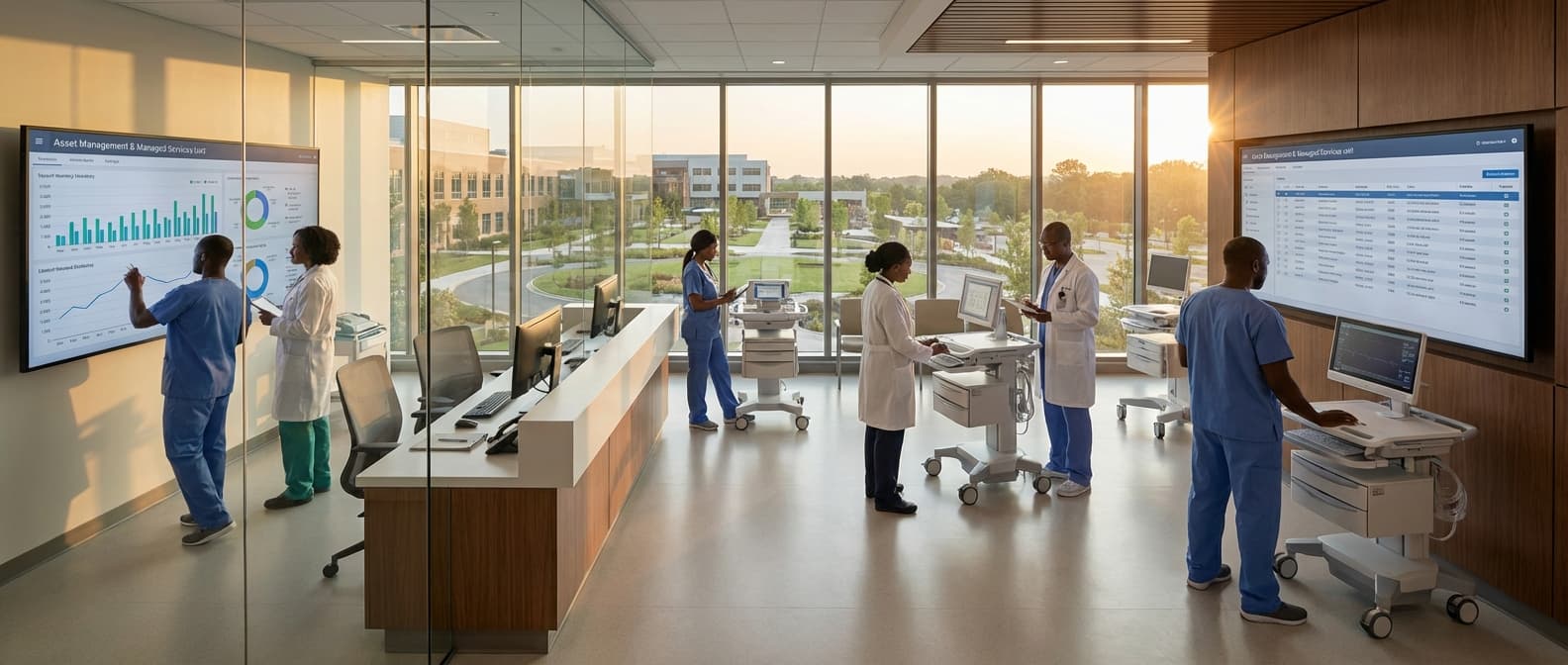
Equipment Fleet Standardization Consulting Service in Botswana
Engineering Excellence & Technical Support
Equipment Fleet Standardization Consulting Service High-standard technical execution following OEM protocols and local regulatory frameworks.
Optimized Asset Utilization
Leverage our expertise to standardize your equipment fleet in Botswana, ensuring maximum uptime and minimizing idle assets. We analyze your operational needs and recommend the optimal mix of vehicles and machinery, reducing unnecessary capital expenditure and improving operational efficiency.
Reduced Maintenance & Operational Costs
Standardizing your fleet leads to simplified maintenance procedures, reduced spare parts inventory, and enhanced technician proficiency. Our consulting service identifies opportunities to consolidate vehicle models, minimizing complex repair diagnostics and ultimately lowering your total cost of ownership in Botswana's challenging operating environments.
Enhanced Data-Driven Decision Making
Implement robust data collection and analysis frameworks for your standardized fleet. We empower Botswana businesses with insights into fuel consumption, maintenance cycles, and performance metrics, enabling informed strategic decisions for fleet replacement, route optimization, and future acquisitions, driving long-term profitability.
What Is Equipment Fleet Standardization Consulting Service In Botswana?
Equipment Fleet Standardization Consulting Service in Botswana refers to specialized advisory and implementation support aimed at optimizing the types, makes, models, and configurations of heavy machinery and vehicles utilized by organizations operating within the country. The core objective is to achieve a uniform or highly consistent fleet, thereby enhancing operational efficiency, reducing maintenance complexities, and improving cost-effectiveness. This service encompasses a comprehensive analysis of an organization's current equipment inventory, operational demands, budgetary constraints, and long-term strategic goals. Based on this assessment, consultants develop and guide the implementation of a standardized fleet strategy, which may involve phased replacement, selective procurement, and the establishment of robust maintenance and parts management protocols tailored to the chosen standardized equipment.
| Who Needs the Service | Typical Use Cases in Botswana |
|---|---|
| Mining Companies: Entities involved in the extraction of minerals (e.g., diamonds, coal, copper) which require extensive fleets of earthmoving equipment, haul trucks, and support vehicles. | Standardizing haul truck fleets for consistent payload capacity and fuel efficiency on mining sites; standardizing excavators and loaders for interchangeability of attachments and simplified maintenance procedures. |
| Construction Firms: Companies undertaking infrastructure projects such as roads, buildings, dams, and other civil engineering works. | Consolidating light vehicles and utility trucks for easier driver allocation and fuel card management; standardizing concrete mixers and cranes to streamline project operations and reduce downtime. |
| Logistics and Transportation Providers: Businesses focused on the movement of goods and materials across the country and region. | Standardizing the fleet of prime movers and trailers to ensure interoperability and simplify maintenance schedules; aligning with regional transport regulations and standards through equipment conformity. |
| Agricultural Operations (Large Scale): Commercial farms and agricultural cooperatives operating significant fleets of tractors, harvesters, and specialized farm machinery. | Standardizing tractor models to allow for shared implements and easier operator redeployment; simplifying the procurement and stocking of critical spare parts for key machinery. |
| Government and Public Sector Agencies: Ministries responsible for infrastructure, disaster management, and public works. | Optimizing fleets for road maintenance vehicles for efficient deployment and repair; standardizing emergency response vehicles to ensure rapid and predictable operational readiness. |
Key Components of Equipment Fleet Standardization Consulting Services:
- Fleet Audit and Analysis: Comprehensive review of existing equipment, including age, condition, utilization rates, maintenance history, and operational suitability.
- Needs Assessment & Requirements Definition: Understanding current and future operational requirements, including payload capacities, terrain suitability, power demands, and regulatory compliance.
- Standardization Strategy Development: Formulating a strategy for selecting optimal equipment types, makes, and models based on factors like Total Cost of Ownership (TCO), reliability, parts availability, and vendor support.
- Procurement and Disposal Advisory: Guidance on acquiring new standardized equipment and disposing of non-standard or obsolete assets.
- Maintenance and Repair Optimization: Developing standardized maintenance schedules, training programs for technicians, and optimizing spare parts inventory management.
- Technology Integration: Advising on telematics and fleet management software to monitor, track, and manage the standardized fleet effectively.
- Change Management and Training: Facilitating the transition to a standardized fleet, including training for operators and maintenance personnel.
- Risk Assessment and Mitigation: Identifying potential risks associated with standardization and developing strategies to mitigate them.
Who Needs Equipment Fleet Standardization Consulting Service In Botswana?
In Botswana's dynamic economic landscape, several sectors and specific departments within organizations are prime candidates for Equipment Fleet Standardization Consulting Services. This service aims to optimize the acquisition, utilization, maintenance, and disposal of an organization's fleet of equipment, leading to significant cost savings, improved efficiency, and enhanced operational reliability. Identifying the right target customers is crucial for consulting firms offering these specialized services.
| Target Customer Segment | Key Departments/Stakeholders Involved | Specific Needs/Challenges Addressed |
|---|---|---|
| Mining Companies | Fleet Management, Procurement, Operations, Maintenance, Finance, Health & Safety | Optimizing heavy machinery uptime, reducing fuel consumption, standardizing parts and maintenance procedures for diverse equipment types, managing lifecycle costs. |
| Construction Firms | Project Management, Procurement, Site Operations, Fleet Maintenance, Finance | Ensuring equipment availability for project deadlines, reducing idle time, managing diverse equipment needs across multiple sites, cost-effective equipment sourcing and disposal. |
| Transportation and Logistics Providers | Fleet Operations, Procurement, Maintenance, Route Planning, Finance | Maximizing vehicle utilization, reducing operational costs (fuel, maintenance), standardizing vehicle types for easier maintenance and driver training, improving safety. |
| Agricultural Enterprises (Large-scale) | Farm Management, Procurement, Maintenance, Operations | Optimizing the use of tractors, harvesters, and other machinery, reducing maintenance downtime during critical seasons, ensuring consistent performance, managing equipment upgrades. |
| Government and Municipalities (Public Works, Infrastructure) | Public Works Departments, Procurement, Fleet Management, Engineering, Finance | Managing fleets of vehicles for road maintenance, waste management, emergency services, water infrastructure. Focus on cost-effectiveness, durability, and ease of maintenance for public use. |
| Energy and Utilities | Operations & Maintenance, Procurement, Engineering, Field Services | Maintaining specialized equipment for power generation, transmission, and distribution, as well as water treatment and distribution. Ensuring reliability and minimizing downtime for critical services. |
| Tourism and Hospitality (Large Resorts/Developments) | Facilities Management, Procurement, Maintenance | Managing grounds maintenance equipment, transport vehicles for guests, and utility vehicles. Ensuring a professional and well-maintained appearance, and operational efficiency. |
| Large Industrial Manufacturing Plants | Operations, Maintenance, Logistics, Procurement | Standardizing forklifts, utility vehicles, and specialized machinery used within the plant to improve workflow, reduce maintenance complexity, and ensure safety. |
Target Customers for Equipment Fleet Standardization Consulting in Botswana:
- Mining Companies
- Construction Firms
- Transportation and Logistics Providers
- Agricultural Enterprises (Large-scale)
- Government and Municipalities (Public Works, Infrastructure)
- Energy and Utilities (Power Generation, Water Management)
- Tourism and Hospitality (Resorts with large grounds/maintenance needs)
- Large Industrial Manufacturing Plants
- Companies undertaking major infrastructure projects
- Organizations with geographically dispersed operations
Equipment Fleet Standardization Consulting Service Process In Botswana
This document outlines the typical workflow for an Equipment Fleet Standardization Consulting Service in Botswana, from the initial client inquiry to the successful execution and completion of the project. The process is designed to be comprehensive, ensuring client needs are met and tangible improvements in fleet efficiency, cost-effectiveness, and operational reliability are achieved.
| Phase | Key Stages/Activities | Description | Deliverables/Outcomes | Typical Duration (Botswana Context) |
|---|---|---|---|---|
| Inquiry Received | Client expresses interest in fleet standardization consulting services. | Initial understanding of client's general needs. | 1-3 Days |
| Initial Consultation & Needs Assessment | Discussion with the client to understand their current fleet challenges, objectives, operational context (industry, terrain, typical usage), and desired outcomes. This may involve site visits and preliminary data gathering. | Understanding of client's pain points and high-level goals. Identification of potential scope. | 3-7 Days |
| Proposal Development & Submission | Based on the consultation, a detailed proposal outlining the scope of work, methodology, timeline, team, and fees is prepared and presented to the client. | Formal project proposal. Agreement on scope and terms. | 5-10 Days |
| Contract Negotiation & Signing | Discussions and adjustments to the proposal to finalize the contract terms. Formal signing of the agreement. | Signed consultancy agreement. | 2-5 Days |
| Data Collection | Gathering comprehensive data on the client's existing fleet, including equipment types, age, maintenance records, operational costs (fuel, repairs, parts), utilization rates, downtime, and operator feedback. | Raw fleet data, maintenance logs, financial records, operational reports. | 1-3 Weeks |
| Fleet Inventory & Auditing | Physical inspection and verification of the current fleet. Identifying redundant or underutilized assets. | Accurate fleet inventory list. Identification of anomalies and inconsistencies. | 1-2 Weeks |
| Performance & Cost Analysis | Analyzing the collected data to identify trends, inefficiencies, high-cost areas, and root causes of operational issues. Benchmarking against industry standards. | Detailed analysis reports on fleet performance, cost drivers, and areas of inefficiency. | 2-4 Weeks |
| Risk Assessment | Evaluating risks associated with the current fleet (e.g., parts availability, reliability in specific operating conditions, safety concerns). | Fleet-related risk assessment report. | 1 Week |
| Standardization Options Identification | Exploring various standardization models (e.g., single-make, limited-make, category-based) based on analysis and client needs. | List of potential standardization models. | 1-2 Weeks |
| Best Practice Recommendation | Developing specific recommendations for equipment types, makes, models, specifications, and lifecycle management strategies that align with the client's operational requirements and long-term goals. | Recommended standardization strategy. Identification of preferred equipment and suppliers. | 2-3 Weeks |
| Business Case & ROI Analysis | Quantifying the expected benefits of standardization, including cost savings, improved uptime, reduced training needs, and enhanced resale value. Developing a strong business case. | Business case document. Projected Return on Investment (ROI) analysis. | 1-2 Weeks |
| Final Report & Presentation | Presenting the findings, analysis, and strategic recommendations to the client in a comprehensive report and presentation. | Final fleet standardization strategy report. Client acceptance of recommendations. | 1 Week |
| Detailed Implementation Plan | Developing a phased roadmap for adopting the standardized fleet, including procurement strategies, disposal plans for existing assets, training schedules, and maintenance program adjustments. | Detailed fleet standardization implementation plan. | 2-4 Weeks |
| Procurement & Supplier Negotiation Support | Assisting the client in developing RFPs, evaluating supplier proposals, and negotiating favorable terms for new equipment acquisitions. | Support in procurement process. Draft contracts or terms of reference for suppliers. | Ongoing (as needed) |
| Change Management Planning | Developing strategies to manage the transition for operators, maintenance staff, and management, including communication plans and training needs. | Change management strategy and plan. | 1-2 Weeks |
| Phased Equipment Acquisition & Disposal | Overseeing or supporting the phased acquisition of new standardized equipment and the responsible disposal of old assets as per the implementation plan. | Progress on new equipment acquisition. Status of asset disposal. | Ongoing (months to years) |
| Training Program Implementation | Ensuring that operators and maintenance personnel receive adequate training on new equipment and standardized procedures. | Completed training sessions. Trained personnel. | Ongoing (as needed) |
| Performance Monitoring | Tracking key performance indicators (KPIs) post-implementation to measure progress against objectives and identify any deviations. | Regular performance reports. KPI dashboards. | Ongoing |
| Ongoing Support & Refinement | Providing continued advisory support, troubleshooting, and making minor adjustments to the strategy as operational realities evolve. | Resolution of implementation challenges. Refined operational procedures. | As per agreement |
| Post-Implementation Review | Conducting a comprehensive review of the implemented standardization strategy, assessing its effectiveness against the initial objectives and ROI projections. | Post-implementation review report. Assessment of achieved benefits. | 2-4 Weeks |
| Final Project Report & Knowledge Transfer | Documenting the entire project journey, lessons learned, and providing final recommendations for ongoing fleet management and future standardization efforts. Formal handover of all project documentation. | Final project closure report. Knowledge transfer sessions. | 1-2 Weeks |
| Project Sign-off & Closeout | Formal acceptance of the project deliverables by the client and closure of the consultancy engagement. | Project sign-off. Final invoice processing. | 1-3 Days |
Equipment Fleet Standardization Consulting Service Workflow in Botswana
- Phase 1: Initial Engagement & Discovery
- Phase 2: Assessment & Analysis
- Phase 3: Strategy Development & Recommendation
- Phase 4: Implementation Planning & Support
- Phase 5: Execution & Monitoring
- Phase 6: Evaluation & Closure
Equipment Fleet Standardization Consulting Service Cost In Botswana
Consulting services for equipment fleet standardization in Botswana can vary significantly in cost depending on several key factors. These factors influence the scope of work, the expertise required, and the duration of the engagement, ultimately shaping the final price. Businesses looking to implement such a strategy should carefully consider these elements when budgeting.
| Consulting Service Component | Typical Price Range (BWP) |
|---|---|
| Initial Fleet Assessment & Data Gathering | 5,000 - 25,000 |
| Analysis & Standardization Strategy Development | 15,000 - 75,000 |
| Detailed Technical Specification & Vendor Analysis | 10,000 - 50,000 |
| Operational Efficiency & Lifecycle Costing Analysis | 15,000 - 60,000 |
| Implementation Roadmap & Change Management Planning | 10,000 - 40,000 |
| Project Management & Ongoing Support (per month) | 8,000 - 30,000 |
| Full-Service Fleet Standardization Project (comprehensive) | 50,000 - 300,000+ |
Key Pricing Factors for Equipment Fleet Standardization Consulting in Botswana
- Scope and Complexity of the Project: A comprehensive assessment of the entire fleet, including a wide range of equipment types and a large number of assets, will naturally be more expensive than a project focused on a specific subset of the fleet.
- Number of Equipment Types and Assets: The sheer volume of equipment to be analyzed, categorized, and standardized directly impacts the consultant's workload and, therefore, the cost. More diverse fleets with numerous individual units require more extensive data collection and analysis.
- Depth of Analysis and Recommendations: Whether the consultancy involves a high-level overview, detailed technical specifications, operational efficiency studies, maintenance strategy integration, or a combination, will affect the time and expertise invested.
- Consultant's Experience and Reputation: Highly experienced consultants with a proven track record in fleet management and standardization, especially within the Botswana context, will typically command higher fees due to their specialized knowledge and ability to deliver impactful results.
- Duration of the Engagement: Shorter, more focused projects will have lower overall costs compared to longer-term engagements that may involve implementation support, training, and ongoing monitoring.
- Data Availability and Quality: If the client provides well-organized and readily accessible data on their existing fleet, it can reduce the consultant's data collection and cleansing efforts, potentially lowering costs. Conversely, poor or scattered data can increase the time and resources needed.
- Reporting and Deliverables: The complexity and detail of the final reports, presentations, and implementation roadmaps will influence the consulting fees. Custom-designed dashboards or extensive training materials will add to the cost.
- Location and Travel Expenses: While most consulting can be done remotely, on-site assessments, site visits, and meetings with stakeholders in various locations across Botswana might incur additional travel and accommodation costs.
- Specific Industry or Sector: The nature of the industry (e.g., mining, agriculture, construction, logistics) can influence the types of equipment, regulatory considerations, and operational challenges, requiring specialized expertise that might affect pricing.
Affordable Equipment Fleet Standardization Consulting Service Options
Our Affordable Equipment Fleet Standardization Consulting Service helps businesses optimize their equipment usage, reduce operational costs, and improve efficiency through strategic standardization. We offer flexible value bundles and implement proven cost-saving strategies tailored to your specific needs. Standardization leads to simplified maintenance, reduced training overhead, better purchasing power, and improved resale values.
| Value Bundle | Key Features | Estimated Cost Savings Potential (Annual) | Ideal For |
|---|---|---|---|
| 'Core Clarity' Bundle | Initial Fleet Assessment, Identification of Key Standardization Opportunities, Basic Policy Development, Supplier Analysis. | $5,000 - $15,000+ | Small to Medium Businesses with moderately diverse fleets looking for initial insights. |
| 'Efficiency Engine' Bundle | Includes 'Core Clarity' features plus Detailed Standardization Roadmap, Vendor Negotiation Support, Pilot Program Implementation, Initial Training Outline. | $15,000 - $40,000+ | Medium Businesses aiming for significant operational improvements and seeking guidance on implementation. |
| 'Total Transformation' Bundle | Includes 'Efficiency Engine' features plus Full Fleet Data Analysis & Optimization, Comprehensive Policy & Procedure Development, Vendor Contract Review & Renegotiation, Ongoing Support & Performance Monitoring, Advanced Training Module Development. | $40,000 - $100,000+ | Large enterprises with complex fleets requiring a complete overhaul and long-term strategic partnership. |
Key Benefits of Fleet Standardization:
- Reduced Maintenance Complexity and Costs
- Lower Training Expenses for Operators and Technicians
- Increased Negotiating Power with Suppliers
- Streamlined Parts Inventory Management
- Improved Resale Value of Equipment
- Enhanced Operational Efficiency and Uptime
- Better Data for Future Investment Decisions
Verified Providers In Botswana
When seeking reliable healthcare services in Botswana, it's crucial to identify "Verified Providers." These are healthcare professionals and facilities that have undergone rigorous credentialing and vetting processes, ensuring they meet established standards of quality, safety, and ethical practice. Franance Health stands out as a leading organization in this domain, offering a comprehensive network of verified providers. Understanding Franance Health's credentials and the benefits they offer will illuminate why they represent the best choice for your healthcare needs in Botswana.
| Franance Health Credentialing Criteria | Significance for Patients |
|---|---|
| Valid and Current Medical Licenses | Ensures providers are legally authorized and have met basic competency requirements. |
| Professional Qualifications and Education Verification | Confirms providers have the necessary academic background and specialized training. |
| Peer Review and Performance Assessment | Evaluates a provider's clinical skills and patient outcomes through objective review. |
| Background Checks and Criminal Record Verification | Safeguards against providers with a history of malpractice or misconduct. |
| Adherence to Ethical Codes and Professional Standards | Guarantees that providers will act with integrity and prioritize patient well-being. |
| Continuing Medical Education (CME) Compliance | Confirms providers are staying updated with the latest medical advancements and techniques. |
Why Franance Health's Verified Providers Are the Best Choice:
- Rigorous Vetting Process: Franance Health employs a multi-stage vetting system that scrutinizes the qualifications, experience, licensing, and ethical standing of every provider in their network.
- Commitment to Quality Care: Verification ensures that all Franance Health providers adhere to best practices, evidence-based medicine, and patient-centered care principles.
- Enhanced Patient Safety: The credentialing process specifically assesses a provider's track record concerning patient safety and adherence to protocols, minimizing risks.
- Access to Specialized Expertise: Franance Health's network includes a diverse range of specialists, ensuring you can find the right provider for any medical need.
- Trust and Peace of Mind: Partnering with a Franance Health verified provider offers reassurance that you are receiving care from competent and trustworthy professionals.
- Streamlined Healthcare Navigation: Franance Health simplifies the process of finding and accessing quality healthcare, saving you time and reducing stress.
Scope Of Work For Equipment Fleet Standardization Consulting Service
This Scope of Work (SOW) outlines the consulting services to be provided by [Consulting Firm Name] (hereinafter referred to as "Consultant") to [Client Name] (hereinafter referred to as "Client") for the purpose of Equipment Fleet Standardization. The primary objective is to assess the current equipment fleet, identify areas for standardization, develop a comprehensive standardization strategy, and provide technical deliverables and standard specifications to support the implementation and ongoing management of a standardized fleet. This initiative aims to improve operational efficiency, reduce maintenance costs, enhance safety, and optimize the total cost of ownership.
| Phase | Activities | Deliverables | Timeline (Weeks) |
|---|---|---|---|
| Data collection on existing fleet (inventory, usage, costs). | Current Fleet Assessment Report. | 4 |
| Identify standardization opportunities and benefits. | Standardization Strategy Document. | 6 |
| Develop standard equipment categories and detailed specifications. | Standard Equipment Specification Manual. | 8 |
| Create phased implementation plan, including procurement and training. | Implementation Roadmap & Change Management Plan. | 4 |
| Present findings, recommendations, and finalized deliverables. | Final Project Report & Knowledge Transfer Session. | 2 |
Key Objectives
- Assess the current state of the Client's equipment fleet, including types, ages, utilization, maintenance history, and operational costs.
- Identify opportunities and benefits of equipment fleet standardization across various operational units.
- Develop a phased standardization strategy with clear timelines, resource requirements, and expected ROI.
- Define standard equipment categories, specifications, and performance criteria.
- Provide actionable recommendations for procurement, maintenance, and disposal of standardized equipment.
- Develop training materials and provide guidance on change management to ensure successful adoption of the standardized fleet.
Service Level Agreement For Equipment Fleet Standardization Consulting Service
This Service Level Agreement (SLA) outlines the guaranteed response times and uptime for the Equipment Fleet Standardization Consulting Service provided by [Consulting Firm Name] (hereinafter referred to as "Provider") to [Client Name] (hereinafter referred to as "Client"). This SLA is an integral part of the Master Service Agreement (MSA) between the parties.
| Service Component | Response Time Guarantee | Uptime Guarantee |
|---|---|---|
| Initial Assessment Report Delivery | Within 5 business days of data receipt | N/A (Deliverable) |
| Standardization Recommendation Presentation | Within 3 business days of final assessment | N/A (Deliverable) |
| Consultant Availability (for scheduled meetings/calls) | Scheduled meetings confirmed within 2 business days | 99.5% during scheduled business hours (9 AM - 5 PM Client's Time Zone, Monday-Friday, excluding public holidays) |
| Email/Communication Response (non-urgent) | Within 1 business day | N/A (Communication) |
| Urgent Issue Resolution (escalated via phone/dedicated channel) | Acknowledgement within 4 business hours, proposed resolution plan within 1 business day | N/A (Issue Resolution) |
| Implementation Support (scheduled tasks) | As per agreed project plan | 99.5% for Provider-managed tools/platforms used in implementation |
| Post-Implementation Review Report | Within 7 business days of completion of implementation phase | N/A (Deliverable) |
Scope of Service
- Initial assessment of current equipment fleet composition and usage patterns.
- Development of a standardized equipment catalog based on operational needs and industry best practices.
- Recommendations for equipment lifecycle management and procurement strategies.
- Implementation support for standardization initiatives, including training and change management.
- Post-implementation review and optimization of the standardized fleet.
Frequently Asked Questions

Ready when you are
Let's scope your Equipment Fleet Standardization Consulting Service in Botswana project in Botswana.

Scaling healthcare logistics and technical systems across the entire continent.