
Endoscopy Solutions in Benin
Engineering Excellence & Technical Support
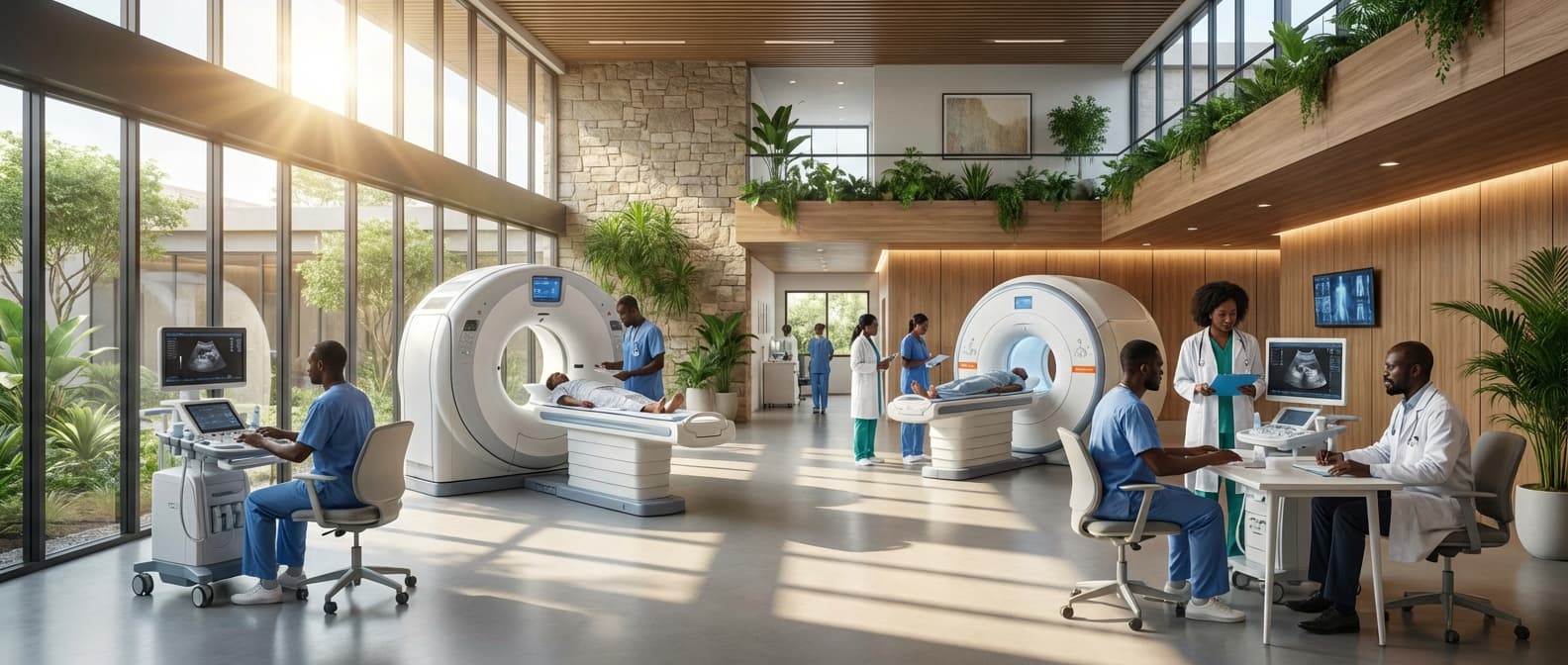
Advanced endoscopic equipment delivering superior visualization and diagnostic precision for minimally invasive procedures. High-standard technical execution following OEM protocols and local regulatory frameworks.
Advanced Diagnostic Capabilities
Our state-of-the-art endoscopy systems offer unparalleled clarity and precision for early detection and diagnosis of gastrointestinal conditions in Benin, leading to improved patient outcomes.
Comprehensive Clinician Training
We provide extensive training programs for healthcare professionals in Benin on the latest endoscopic techniques and equipment usage, ensuring optimal performance and patient safety.
Reliable Technical Support & Maintenance
Our dedicated technical support team in Benin offers prompt maintenance and repair services for all endoscopy solutions, minimizing downtime and ensuring continuous patient care.
What Is Endoscopy Solutions In Benin?
Endoscopy solutions in Benin refer to the provision of diagnostic and therapeutic services utilizing endoscopic procedures. These procedures involve the insertion of a flexible or rigid tube, equipped with a camera and light source, into the body to visualize internal organs and structures. The primary objective is to obtain direct visual inspection, collect tissue samples (biopsies), and perform targeted treatments. This modality is crucial for accurate diagnosis of gastrointestinal, pulmonary, and other internal pathologies, as well as for minimally invasive interventions.
| Who Needs Endoscopy Solutions? | Typical Use Cases | |||||||
|---|---|---|---|---|---|---|---|---|
| Individuals experiencing persistent gastrointestinal symptoms (e.g., abdominal pain, dysphagia, chronic diarrhea, constipation, rectal bleeding, unexplained weight loss). | Investigation of upper gastrointestinal bleeding (e.g., ulcers, varices). | Screening and surveillance for colorectal cancer (e.g., colonoscopy for polyp detection and removal). | Patients with suspected inflammatory bowel disease (e.g., Crohn's disease, ulcerative colitis). | Evaluation of persistent cough, hemoptysis, or suspected lung pathologies (bronchoscopy). | Diagnosis of urinary tract abnormalities or hematuria (cystoscopy). | Post-operative monitoring for certain surgical interventions. | Management of complications from gastrointestinal surgery or disease. | Foreign body ingestion or aspiration. |
| Upper Endoscopy (Esophagogastroduodenoscopy - EGD): Evaluation of esophagus, stomach, and duodenum for conditions like gastritis, peptic ulcers, gastroesophageal reflux disease (GERD), esophageal varices, and malignancy. | Colonoscopy: Examination of the large intestine for polyps, colorectal cancer, inflammatory bowel disease, diverticulosis, and sources of lower GI bleeding. | Sigmoidoscopy: Visualization of the lower portion of the colon (sigmoid colon and rectum). | Bronchoscopy: Inspection of the airways (trachea and bronchi) for diagnosis of lung cancer, infections (e.g., tuberculosis), airway obstruction, and obtaining samples. | Cystoscopy: Examination of the bladder and urethra for conditions like bladder cancer, recurrent urinary tract infections, and hematuria. | ERCP (Endoscopic Retrograde Cholangiopancreatography): Used to diagnose and treat problems in the bile and pancreatic ducts, such as gallstones, strictures, and tumors. |
Key Aspects of Endoscopy Solutions in Benin
- Diagnostic Visualization: Direct visualization of the lumen of hollow organs such as the esophagus, stomach, duodenum, colon, bronchi, and bladder.
- Biopsy and Histopathology: Acquisition of tissue samples for microscopic examination to confirm or rule out malignancy, inflammation, or infection.
- Therapeutic Interventions: Minimally invasive procedures including polyp removal (polypectomy), stricture dilation, hemostasis (stopping bleeding), foreign body retrieval, and stent placement.
- Advanced Imaging Techniques: Integration of technologies like chromoendoscopy (dye-based visualization), narrow-band imaging (NBI), and confocal laser endomicroscopy for enhanced diagnostic capabilities.
- Equipment and Personnel: Requires specialized endoscopic equipment (endoscopes, light sources, video processors, accessories) and trained medical professionals (gastroenterologists, pulmonologists, endoscopists, nurses).
Who Needs Endoscopy Solutions In Benin?
Endoscopy, a vital diagnostic and therapeutic medical procedure, is increasingly in demand across Benin. This advanced imaging technique allows for minimally invasive visualization and intervention within the body's internal organs. The growing need for endoscopy solutions in Benin is driven by several factors, including a rising prevalence of gastrointestinal and respiratory diseases, an expanding healthcare infrastructure, and a desire for more accurate and less invasive diagnostic methods. Hospitals and specialized clinics are seeking efficient, reliable, and cost-effective endoscopy equipment and associated services to enhance patient care and improve treatment outcomes.
| Customer Type | Key Departments/Specialties | Specific Needs/Applications |
|---|---|---|
| Hospitals (Public) | Gastroenterology, Pulmonology, Surgery, Internal Medicine, Emergency Department | Diagnosis and treatment of common GI disorders (ulcers, gastritis, polyps, bleeding), respiratory infections, lung nodules, foreign body removal, diagnostic biopsies, screening for cancer. |
| Hospitals (Private) | Gastroenterology, Pulmonology, Surgery, Gastroenterological Surgery, Endoscopic Surgery | Advanced diagnostic procedures, therapeutic interventions (polypectomy, stent placement, dilation), screening for cancers (colorectal, gastric, esophageal), management of inflammatory bowel diseases. |
| Specialized Clinics (Gastroenterology) | Gastroenterology, Endoscopy Unit | Routine upper and lower endoscopy, sigmoidoscopy, capsule endoscopy, targeted biopsies, management of GI bleeding, treatment of Barrett's esophagus. |
| Specialized Clinics (Pulmonology) | Pulmonology, Bronchoscopy Unit | Diagnostic bronchoscopy for lung nodules and infections, therapeutic bronchoscopy for airway obstruction, foreign body removal, biopsy of lung lesions. |
| Specialized Clinics (Surgery) | General Surgery, Laparoscopic Surgery, Gastroenterological Surgery | Pre-operative and post-operative assessment, diagnosis of surgical conditions, minimally invasive surgical support where endoscopy is integrated. |
| Diagnostic Centers | Radiology (if performing interventional radiology with endoscopic guidance), Pathology (for biopsy analysis) | Providing accessible diagnostic services, supporting early disease detection. |
| Medical Training Institutions | Medical Schools, Residency Programs | Training future physicians in endoscopy procedures, providing simulation equipment, access to latest technologies for educational purposes. |
Target Customers and Departments in Benin Requiring Endoscopy Solutions
- Hospitals (Public and Private)
- Specialized Clinics (Gastroenterology, Pulmonology, Surgery)
- Diagnostic Centers
- Medical Training Institutions
Endoscopy Solutions Process In Benin
The endoscopy solutions process in Benin, from initial inquiry to successful execution, involves a series of well-defined steps designed to ensure efficient and effective patient care. This workflow typically begins with a patient or healthcare provider initiating contact, leading to consultation, scheduling, preparation, the endoscopic procedure itself, post-procedure care, and finally, reporting and follow-up.
| Stage | Description | Key Activities | Responsible Parties |
|---|---|---|---|
| Inquiry and Initial Consultation | The process starts when a patient or referring physician expresses the need for an endoscopic examination. This initial stage involves understanding the patient's symptoms, medical history, and the specific endoscopic procedure required. | Patient/Doctor inquiry, symptom assessment, medical history review, explanation of procedure and its benefits, answering patient questions, determining suitability for the procedure. | Patient, Referring Physician, Gastroenterologist/Endoscopist, Clinic/Hospital Administrator |
| Scheduling and Pre-Procedure Instructions | Once the need is confirmed and consent is obtained, the procedure is scheduled. Comprehensive instructions are provided to the patient to ensure optimal preparation. | Appointment scheduling, providing detailed pre-procedure instructions (dietary restrictions, medication adjustments, bowel preparation, fasting guidelines). | Clinic/Hospital Administrator, Endoscopist's Nurse, Patient |
| Patient Preparation | This is a critical phase where the patient follows the provided instructions to ensure the gastrointestinal tract is clean and ready for examination. | Adherence to dietary restrictions, taking prescribed bowel preparation agents, fasting as instructed, arranging transportation if sedation is used. | Patient, Family/Caregiver (if applicable) |
| Procedure Execution | The actual endoscopic procedure is performed by a qualified medical professional in a sterile environment, adhering to strict safety protocols. | Patient check-in and vital signs monitoring, administration of sedation/anesthesia (if required), insertion of the endoscope, visualization of the target organ, biopsy or therapeutic interventions (if necessary), removal of the endoscope. | Endoscopist, Anesthesiologist/Sedation Nurse, Endoscopy Nurse, Support Staff |
| Post-Procedure Monitoring and Recovery | After the procedure, the patient is closely monitored as they recover from any sedation and to observe for immediate complications. | Transfer to recovery area, vital signs monitoring, assessing patient's alertness and comfort, managing any immediate post-procedure effects (e.g., bloating, nausea), patient education on post-procedure diet and activity. | Recovery Nurse, Endoscopist, Patient |
| Reporting and Follow-up | The findings of the endoscopy are documented, and a follow-up plan is established based on the results. | Generating a detailed procedure report, discussing findings with the patient, scheduling follow-up appointments or further investigations if needed, sending reports to the referring physician. | Endoscopist, Clinic/Hospital Administrator, Referring Physician, Patient |
Endoscopy Solutions Process Workflow in Benin
- Inquiry and Initial Consultation
- Scheduling and Pre-Procedure Instructions
- Patient Preparation
- Procedure Execution
- Post-Procedure Monitoring and Recovery
- Reporting and Follow-up
Endoscopy Solutions Cost In Benin
The cost of endoscopic procedures in Benin can vary significantly due to several factors. These include the specific type of endoscopy (e.g., gastroscopy, colonoscopy, bronchoscopy), the complexity of the procedure, the hospital or clinic's location and reputation, the experience of the endoscopist, and the need for sedation or anesthesia. The availability of advanced equipment and consumables also plays a role. Prices are generally quoted in West African CFA Franc (XOF).
| Procedure Type (Estimated Range in XOF) | Factors Affecting Price |
|---|---|
| Gastroscopy (Upper GI Endoscopy): 75,000 - 150,000 XOF | Sedation level, need for biopsy, complexity of findings. |
| Colonoscopy (Lower GI Endoscopy): 100,000 - 200,000 XOF | Sedation level, polyp detection and removal, bowel preparation quality. |
| Sigmoidoscopy: 50,000 - 100,000 XOF | Sedation, biopsy necessity. |
| Bronchoscopy: 120,000 - 250,000 XOF | Sedation, need for biopsy or lavage, complexity of airway visualization. |
Key Factors Influencing Endoscopy Costs in Benin:
- Type of Endoscopy: Gastroscopy, colonoscopy, sigmoidoscopy, bronchoscopy, etc., have different cost structures.
- Scope of Procedure: Diagnostic versus therapeutic (e.g., polyp removal, biopsy) will impact the price.
- Anesthesia/Sedation: Local anesthesia, conscious sedation, or general anesthesia add to the overall cost.
- Facility Fees: Charges vary between public hospitals, private clinics, and specialized centers.
- Physician's Fees: The expertise and specialization of the endoscopist can influence their fees.
- Consumables and Materials: Use of specialized tools, biopsy forceps, or dilation balloons will incur additional costs.
- Pre- and Post-Procedure Care: Consultations, follow-up visits, and any necessary laboratory tests contribute to the total expense.
Affordable Endoscopy Solutions Options
Endoscopy is a crucial diagnostic and therapeutic medical procedure, but its cost can be a significant concern for patients. Fortunately, there are several affordable endoscopy solutions available. These options often involve leveraging value bundles and implementing smart cost-saving strategies to make the procedure more accessible without compromising quality of care.
| Strategy | Description | Potential Savings |
|---|---|---|
| Value-Based Bundles | Combines procedure, facility, and physician fees into a single, often discounted price. | Predictable cost, potential for significant overall savings compared to à la carte pricing. |
| Outpatient Facility Use | Performing the endoscopy in an ambulatory surgery center instead of a hospital. | Substantially lower facility fees. |
| In-Network Providers | Selecting facilities and physicians contracted with your insurance plan. | Reduced co-pays, deductibles, and coinsurance. |
| Cash Pay/Self-Pay Discounts | Negotiating a reduced price for patients paying directly for services. | Can offer a substantial discount for uninsured or high-deductible patients. |
| Telehealth for Consultations | Using virtual appointments for pre- and post-procedure discussions. | Saves on travel time, parking, and potential lost wages. |
| Comparison Shopping | Obtaining quotes from multiple providers for the same procedure. | Identifies providers with lower pricing structures. |
Understanding Value Bundles and Cost-Saving Strategies for Endoscopy
- Value Bundles: These are package deals that combine the endoscopy procedure with related services, such as physician fees, facility charges, pre-operative consultations, and sometimes even post-procedure follow-up. Bundling can offer a predictable, often lower, overall cost compared to paying for each service separately.
- Negotiated Pricing: Healthcare providers and insurance companies often negotiate discounted rates for specific procedures when performed in bulk or through preferred networks. Patients can benefit from these negotiated prices.
- Outpatient vs. Inpatient: Endoscopies are frequently performed on an outpatient basis, which is significantly less expensive than an inpatient admission. Choosing an outpatient facility when appropriate is a key cost-saving measure.
- Generic Medications and Supplies: Where applicable, the use of generic medications and less expensive but equally effective medical supplies can contribute to cost reduction.
- Promotional Offers and Cash Pay Discounts: Some facilities may offer special pricing or discounts for patients paying for procedures out-of-pocket, especially if they lack insurance or have high deductibles.
- Telehealth Consultations: For pre- or post-procedure consultations, utilizing telehealth services can reduce travel time and associated costs.
- Choosing In-Network Providers: Staying within your insurance network for both the facility and the physician performing the endoscopy will almost always result in lower out-of-pocket expenses due to negotiated rates.
- Second Opinions and Price Comparisons: While not always feasible for urgent procedures, for elective endoscopies, seeking a second opinion and comparing prices across different providers can reveal significant savings.
- Preventive Care and Early Detection: While not a direct cost-saving strategy for the procedure itself, engaging in regular preventive care and addressing symptoms early can sometimes lead to less complex and less expensive endoscopic interventions.
Verified Providers In Benin
In Benin's evolving healthcare landscape, identifying reliable and accredited medical professionals is paramount for patient safety and effective treatment. Franance Health stands out as a premier organization dedicated to verifying and promoting healthcare providers who meet the highest standards of quality, ethics, and expertise. Their rigorous credentialing process ensures that patients can confidently choose providers who are not only skilled but also committed to delivering exceptional care. This commitment to verification makes Franance Health-credentialed providers the optimal choice for your health and well-being in Benin.
| Provider Type | Franance Health Verification Benefits | Why They Are the Best Choice |
|---|---|---|
| Doctors | Ensures up-to-date medical knowledge and surgical skills. Guarantees adherence to ethical medical practices. | Access to specialists with proven diagnostic and treatment capabilities, prioritizing patient well-being and successful outcomes. |
| Nurses | Confirms proficiency in patient care, vital signs monitoring, and medication administration. Validates commitment to compassionate and attentive nursing. | Dependable care from highly trained professionals dedicated to patient comfort, recovery, and holistic health support. |
| Specialists (e.g., Cardiologists, Oncologists) | Verifies advanced training and specialization in specific medical fields. Confirms experience with complex cases and cutting-edge treatments. | Expert diagnosis and treatment plans tailored to specific conditions, offering access to specialized care and improved prognoses. |
| Hospitals & Clinics | Assesses infrastructure, equipment, hygiene standards, and management protocols. Validates adherence to national and international healthcare regulations. | Access to well-equipped facilities with stringent quality controls, ensuring a safe and effective healthcare environment from admission to discharge. |
Why Franance Health Credentials Matter
- Rigorous Verification Process: Franance Health employs a multi-faceted approach to assess providers, including education, training, experience, and adherence to ethical guidelines.
- Commitment to Patient Safety: Verified providers have demonstrated a strong track record of prioritizing patient safety and implementing best practices.
- Enhanced Trust and Transparency: The credentialing process fosters trust by providing patients with assurance about the qualifications and reliability of their chosen healthcare professionals.
- Access to Quality Care: By identifying and promoting accredited providers, Franance Health helps connect patients with the best possible medical services available in Benin.
- Continuous Professional Development: Franance Health often requires providers to engage in ongoing education and training, ensuring they remain at the forefront of medical advancements.
Scope Of Work For Endoscopy Solutions
This Scope of Work (SOW) outlines the requirements for the provision and implementation of Endoscopy Solutions. It details the technical deliverables, standard specifications, and associated services necessary to ensure a comprehensive and effective endoscopic imaging system.
| Category | Deliverable | Standard Specifications | Acceptance Criteria |
|---|---|---|---|
| Endoscopic Imaging Systems | Gastroscope/Colonoscope | High-definition (HD) or 4K resolution, narrow band imaging (NBI) capabilities, ergonomic design, compatible with existing light sources and video processors. | Successful image capture with defined clarity and detail, satisfactory handling and maneuverability during simulated procedures. |
| Endoscopic Imaging Systems | Bronchoscope | Flexible, high-resolution imaging, sufficient working channel for instrumentation, compatibility with anesthesia and ventilation systems. | Clear visualization of bronchial structures, unobstructed passage of instruments, successful integration with patient monitoring. |
| Endoscopic Imaging Systems | Ureteroscope | Thin profile (<5mm outer diameter), high-definition imaging, working channel for irrigation and instrument passage, excellent maneuverability in complex anatomy. | Successful visualization of urinary tract, ability to pass instruments through working channel, minimal patient discomfort during simulated use. |
| Video Processor & Light Source | Video Processor | Supports multiple endoscopes, provides image enhancement features (e.g., contrast, brightness, NBI processing), DVI/HDMI output, connectivity for recording devices. | Consistent image quality across all connected endoscopes, reliable functionality of image enhancement features, seamless video output. |
| Video Processor & Light Source | Light Source | High-intensity illumination (LED or Xenon), adjustable brightness, stable light output, compatibility with chosen endoscopes. | Adequate and stable illumination for diagnostic procedures, no flicker or color distortion in displayed images. |
| Recording & Archiving | Video Recorder/Capture Device | High-definition video and still image capture, robust storage capacity, DICOM compatibility for HIS/PACS integration, user-friendly interface. | Successful capture and saving of video clips and images in specified formats, seamless transfer to HIS/PACS. |
| Recording & Archiving | Data Management Software | Patient data association, image/video indexing and retrieval, secure data storage, audit trails. | Accurate association of recordings with patient records, efficient search and retrieval of stored media, adherence to data security policies. |
| Ancillary Equipment | Insufflator | Precise CO2 insufflation control, adjustable flow rate and pressure, safety features (e.g., pressure monitoring, automatic shut-off). | Stable and controlled insufflation, accurate pressure regulation, effective safety mechanisms. |
| Ancillary Equipment | Irrigation Pump | Adjustable flow rate, compatible with standard irrigation fluids, quiet operation. | Consistent and adjustable fluid flow for maintaining clear visualization. |
| Installation & Integration | System Installation | Professional installation by certified technicians, adherence to electrical and safety codes, minimal disruption to clinical workflow. | All components installed and connected according to manufacturer specifications and site requirements. |
| Installation & Integration | HIS/PACS Integration | Seamless data transfer of patient demographics, procedure reports, and captured images/videos to HIS and PACS. | Successful and error-free bidirectional data exchange with HIS/PACS, adherence to DICOM standards. |
| Training | Clinical User Training | Hands-on training for physicians and nurses on equipment operation, imaging techniques, and basic troubleshooting. | Users demonstrate proficiency in operating the endoscopy systems and associated software for routine procedures. |
| Training | Technical Support Training | Training for biomedical engineering and IT staff on maintenance, calibration, and advanced troubleshooting. | Technical staff can perform routine maintenance and diagnose/resolve common issues. |
| Support & Maintenance | Warranty Services | Comprehensive manufacturer warranty covering parts and labor for a specified period (e.g., 1-3 years). | Prompt response to reported issues, provision of necessary replacement parts under warranty. |
| Support & Maintenance | Service Level Agreement (SLA) | Defined response times for critical and non-critical issues, guaranteed uptime percentage, scheduled preventative maintenance. | Adherence to agreed-upon response times and uptime guarantees, completion of scheduled maintenance. |
Key Objectives
- To procure, install, and configure state-of-the-art endoscopy equipment.
- To ensure seamless integration with existing hospital information systems (HIS) and Picture Archiving and Communication Systems (PACS).
- To provide comprehensive training to clinical and technical staff.
- To establish robust support and maintenance services for the deployed solutions.
- To enhance diagnostic accuracy and patient care through advanced endoscopic visualization.
Service Level Agreement For Endoscopy Solutions
This Service Level Agreement (SLA) outlines the guaranteed response times and uptime for the Endoscopy Solutions provided by [Your Company Name] to [Client Name]. This SLA is an integral part of the Master Services Agreement (MSA) between both parties.
| Incident Severity | Initial Response Time (within Service Hours) | Resolution Target Time (within Service Hours) | Escalation Trigger |
|---|---|---|---|
Definitions
- {"item":"<b>Service Hours:</b> The hours during which support services are available, typically Monday to Friday, 8:00 AM to 6:00 PM [Client's Time Zone], excluding public holidays.","description":""}
- {"item":"<b>Business Hours:</b> The standard working hours for [Client Name]'s operations, typically Monday to Friday, 9:00 AM to 5:00 PM [Client's Time Zone].","description":""}
- {"item":"<b>Downtime:</b> Any period during which the Endoscopy Solutions are unavailable for use by [Client Name], excluding Scheduled Maintenance and Excluded Events.","description":""}
- {"item":"<b>Scheduled Maintenance:</b> Pre-announced periods during which the Endoscopy Solutions may be unavailable due to planned system updates or maintenance. [Your Company Name] will provide at least [Number] days' notice for Scheduled Maintenance, typically during off-peak hours.","description":""}
- {"item":"<b>Excluded Events:</b> Circumstances beyond [Your Company Name]'s reasonable control that may cause Downtime, including but not limited to force majeure events (e.g., natural disasters, acts of war), third-party service failures (e.g., internet outages not attributable to [Your Company Name]'s infrastructure), and Client-induced issues (e.g., misconfiguration, unauthorized modifications).","description":""}
- {"item":"<b>Incident:</b> Any event that causes or may cause a disruption to the Endoscopy Solutions, impacting functionality or accessibility.","description":""}
- {"item":"<b>Critical Incident:</b> An Incident that renders the core functionality of the Endoscopy Solutions completely unusable, significantly impacting patient care or surgical procedures.","description":""}
- {"item":"<b>Major Incident:</b> An Incident that degrades the performance or functionality of the Endoscopy Solutions to an unacceptable level, causing significant disruption but not complete unavailability.","description":""}
- {"item":"<b>Minor Incident:</b> An Incident that affects non-critical functionality or has a limited impact on performance, causing minor inconvenience but not significant disruption.","description":""}
Frequently Asked Questions

Ready when you are
Let's scope your Endoscopy Solutions in Benin project in Benin.

Scaling healthcare logistics and technical systems across the entire continent.