
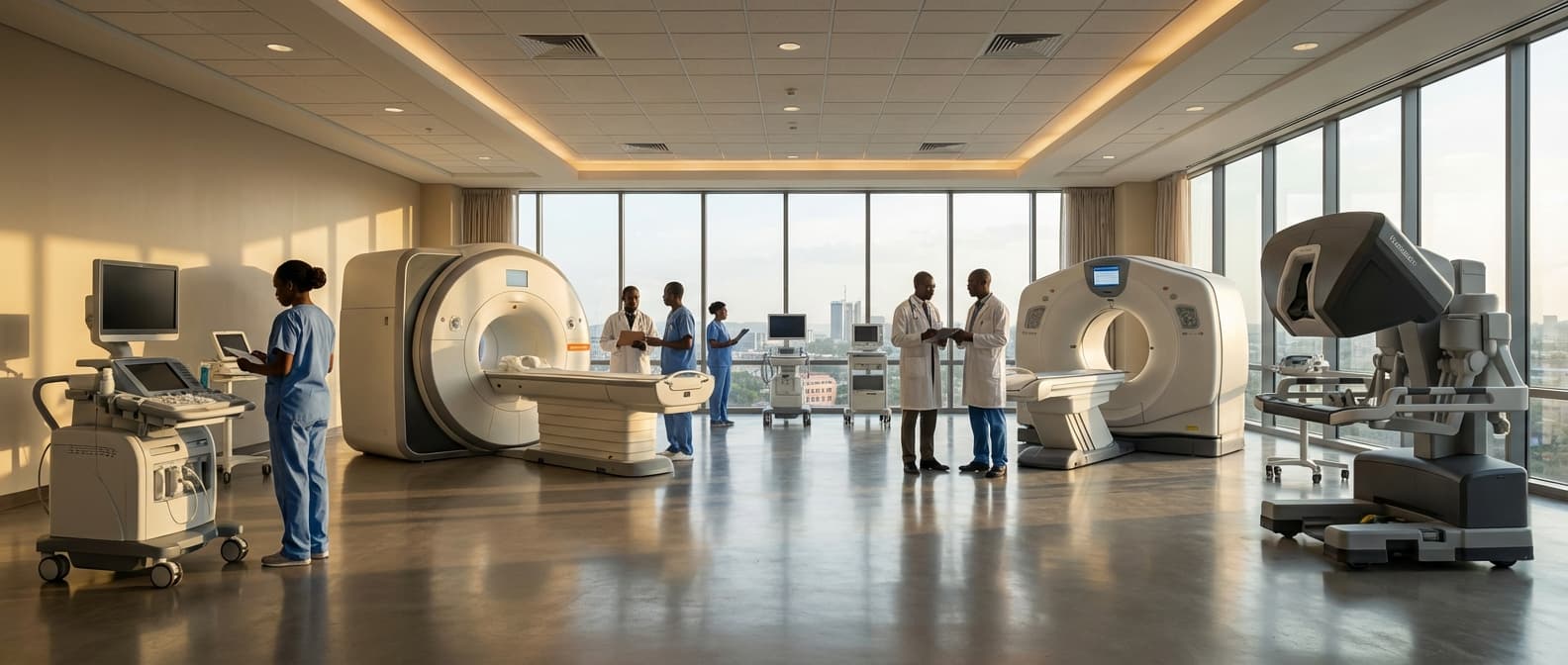
Renal Solutions in Benin
Engineering Excellence & Technical Support
Complete dialysis systems and renal care equipment designed to deliver safe, effective, and patient-centered kidney treatment. High-standard technical execution following OEM protocols and local regulatory frameworks.
Advanced Dialysis Technology
Renal Solutions Benin deploys state-of-the-art hemodialysis machines, ensuring optimal filtration and patient comfort. Our technology facilitates precise control of blood flow, dialysate composition, and ultrafiltration, minimizing complications and improving treatment outcomes.
Rigorous Water Purification Systems
We utilize multi-stage reverse osmosis and deionization systems to produce medical-grade purified water, crucial for dialysis efficacy and patient safety. Our systems are regularly monitored and maintained to meet the strictest international standards, eliminating contaminants and ensuring the highest quality dialysate.
Comprehensive Patient Monitoring & Data Analytics
Our integrated patient monitoring systems capture vital signs and dialysis parameters in real-time. This data is analyzed to personalize treatment plans, identify potential issues early, and track long-term patient progress, enabling proactive and data-driven care.
What Is Renal Solutions In Benin?
Renal Solutions in Benin refers to the provision of specialized medical services and products aimed at the diagnosis, treatment, and management of kidney-related diseases and conditions within the Republic of Benin. These services encompass a spectrum of interventions designed to address both acute and chronic renal pathologies, thereby improving the quality of life and outcomes for affected individuals. The scope of Renal Solutions can range from routine screening and preventative care to advanced therapeutic modalities and supportive management. The development and accessibility of these solutions are crucial given the increasing global prevalence of kidney disease and its associated morbidities.
| Service Component | Description | Target Population | Typical Use Cases |
|---|---|---|---|
| Diagnostic Services | Laboratory and imaging tests to identify kidney problems. | Individuals with risk factors for kidney disease (e.g., diabetes, hypertension), patients presenting with symptoms suggestive of renal impairment, or those requiring routine health monitoring. | Initial assessment of suspected acute kidney injury (AKI), diagnosis of chronic kidney disease (CKD) staging, investigation of hematuria or proteinuria, screening for diabetic nephropathy. |
| Medical Management | Prescription of medications and lifestyle advice to control kidney disease and related complications. | Patients diagnosed with CKD, hypertensive nephropathy, diabetic nephropathy, glomerulonephritis, and other renal pathologies requiring long-term management. | Blood pressure control in hypertensive nephrosclerosis, glycemic management in diabetic nephropathy, treatment of anemia in CKD, management of hyperkalemia or fluid overload. |
| Renal Replacement Therapies (RRT) | Artificial methods to replace kidney function for individuals with ESRD. | Patients with irreversible loss of kidney function (ESRD) who are not candidates for or awaiting transplantation. | Hemodialysis for removal of uremic toxins and excess fluid, peritoneal dialysis for home-based management of ESRD, preparation for kidney transplantation. |
| Surgical Interventions | Procedures related to renal disease management and RRT access. | Patients requiring vascular access for hemodialysis, individuals requiring placement of PD catheters, or those with specific surgical indications affecting the kidneys. | Creation of AV fistula or graft, peritoneal dialysis catheter insertion, management of dialysis access complications. |
| Nephrology Consultations | Expert opinion and specialized care for complex kidney conditions. | Patients with newly diagnosed renal disease, those with deteriorating renal function, or individuals with complex comorbidities impacting kidney health. | Management of rare kidney diseases, interpretation of complex diagnostic findings, pre-transplant evaluation, management of refractory hypertension. |
Key Components of Renal Solutions in Benin
- Diagnostic Services: Encompassing laboratory tests (e.g., urinalysis, serum creatinine, GFR estimation), imaging studies (e.g., renal ultrasound, CT scan), and kidney biopsies for accurate diagnosis of renal dysfunction and diseases.
- Medical Management: Pharmacological interventions for managing hypertension, diabetes mellitus, electrolyte imbalances, anemia of chronic kidney disease, and other comorbidities contributing to or resulting from renal impairment.
- Renal Replacement Therapies (RRT): Including hemodialysis (HD), peritoneal dialysis (PD), and, where available, kidney transplantation, to support patients with end-stage renal disease (ESRD).
- Surgical Interventions: Procedures such as the creation of arteriovenous fistulas or grafts for dialysis access, placement of peritoneal dialysis catheters, and, in select cases, surgical management of renal cysts or tumors.
- Nephrology Consultations: Expert medical advice and patient care provided by specialist nephrologists.
- Patient Education and Support: Providing resources and guidance on lifestyle modifications, dietary recommendations, medication adherence, and coping strategies for individuals with kidney disease.
- Equipment and Consumables: Supply of essential medical devices and consumables for dialysis, such as dialysis machines, dialyzers, tubing, and dialysate solutions.
Who Needs Renal Solutions In Benin?
In Benin, access to effective and affordable renal care is a growing concern. 'Renal Solutions' aims to address this need by providing comprehensive services and products for individuals suffering from kidney-related ailments. Our target customers range from individuals seeking treatment and management of chronic kidney disease to healthcare facilities requiring advanced diagnostic and therapeutic equipment. We also cater to organizations involved in public health initiatives and medical research.
| Customer Segment | Specific Departments/Roles | Needs/Interests |
|---|---|---|
| Patients | Nephrology Departments, General Practitioners | Diagnostic services, treatment plans, dialysis, medications, post-transplant care, lifestyle advice. |
| Healthcare Facilities | Nephrology Units, Intensive Care Units (ICUs), Procurement Departments, Biomedical Engineering | Dialysis machines, water purification systems, diagnostic kits, consumables (dialyzers, tubing), specialized furniture, medical staff training. |
| Research & Education | Medical Schools, Research Institutes, Public Health Departments | Access to patient data (anonymized), research equipment, educational materials, training programs for healthcare professionals. |
| Government & NGOs | Ministry of Health, Public Health Agencies, NGO Health Programs | Data on kidney disease prevalence, support for public health campaigns, affordable treatment options, infrastructure development, policy recommendations. |
Target Customers and Departments for Renal Solutions in Benin
- Individuals with Kidney Disease: Patients diagnosed with Chronic Kidney Disease (CKD), Acute Kidney Injury (AKI), and other renal disorders.
- Dialysis Patients: Individuals undergoing hemodialysis or peritoneal dialysis.
- Kidney Transplant Recipients: Patients who have received kidney transplants and require ongoing monitoring and medication.
- Individuals at Risk of Kidney Disease: People with underlying conditions such as diabetes, hypertension, heart disease, and a family history of kidney problems.
- Hospitals and Clinics: Both public and private healthcare institutions that offer nephrology services or require specialized renal equipment and supplies.
- Diagnostic Laboratories: Facilities that perform kidney function tests and other relevant diagnostic procedures.
- Non-Governmental Organizations (NGOs) and Charities: Organizations focused on improving healthcare access, particularly for chronic diseases.
- Government Health Ministries and Agencies: Departments responsible for public health policy, disease prevention, and healthcare infrastructure development.
- Medical Training and Research Institutions: Universities and research centers involved in nephrology education and the study of kidney diseases.
Renal Solutions Process In Benin
The Renal Solutions process in Benin, designed to provide comprehensive kidney care services, follows a structured workflow from initial inquiry to the successful execution of treatment. This process prioritizes patient well-being, efficiency, and clear communication. It typically involves several key stages, ensuring that each patient receives tailored and effective renal care.
| Stage | Description | Key Activities | Responsible Parties | Key Outcomes |
|---|---|---|---|---|
| Patient Inquiry & Initial Contact | The process begins when a potential patient or their representative reaches out to Renal Solutions for kidney-related concerns. | Receive phone calls, emails, or walk-in inquiries; provide initial information about services; schedule initial consultation. | Receptionist, Patient Care Coordinator, Call Center Staff | Patient interest confirmed; initial appointment booked. |
| Information Gathering & Assessment | A thorough understanding of the patient's medical history and current condition is established. | Collect patient demographics, medical history, past diagnoses, current symptoms, medications, insurance details; conduct initial physical assessment; collect preliminary test results (if available). | Nurse, Physician Assistant, Patient Care Coordinator | Comprehensive patient profile created; baseline health status understood. |
| Diagnosis & Treatment Planning | Based on the assessment, a definitive diagnosis is made, and a personalized treatment plan is developed. | Review all collected information and test results; conduct further diagnostic tests (blood tests, urine tests, imaging); specialist consultation (if needed); determine diagnosis; develop a tailored treatment strategy (e.g., dialysis type, transplant evaluation, medication regimen). | Nephrologist, Specialist Physicians, Medical Team | Accurate diagnosis confirmed; personalized treatment plan finalized. |
| Pre-Treatment Preparation | Ensuring the patient is fully prepared for the commencement of their treatment. | Educate patient and family about the chosen treatment; schedule pre-treatment medical evaluations; arrange for necessary medical devices or access procedures (e.g., fistula creation); obtain informed consent; coordinate with insurance providers for coverage. | Nurse Educator, Surgeon (if needed), Patient Care Coordinator, Insurance Liaison | Patient informed and prepared; all necessary medical prerequisites met. |
| Treatment Execution | The actual delivery of the planned renal treatment. | Administer dialysis sessions (hemodialysis, peritoneal dialysis); provide ongoing medical management and medication administration; monitor patient's vital signs and response to treatment; manage any immediate complications. | Dialysis Nurses, Nephrologists, Medical Technicians | Effective delivery of renal therapy; patient stability maintained during treatment. |
| Post-Treatment Monitoring & Follow-up | Ongoing assessment of the patient's progress and adjustment of the treatment plan as needed. | Regular clinical follow-up appointments; monitoring of lab results and patient well-being; adjust medication dosages or treatment protocols; provide ongoing patient education and support; manage chronic complications. | Nephrologist, Nurses, Dietitian, Social Worker | Optimal patient outcomes achieved; long-term kidney health managed. |
| Billing & Administrative Closure | Finalizing financial and administrative aspects of the patient's care. | Generate and submit invoices to patients and insurance companies; process payments; manage patient records; conduct administrative reviews; ensure compliance with regulations. | Billing Department, Administrative Staff, Finance Team | Accurate billing and payment processing; complete and secure patient records. |
Renal Solutions Process in Benin Workflow
- Patient Inquiry & Initial Contact
- Information Gathering & Assessment
- Diagnosis & Treatment Planning
- Pre-Treatment Preparation
- Treatment Execution
- Post-Treatment Monitoring & Follow-up
- Billing & Administrative Closure
Renal Solutions Cost In Benin
The cost of renal solutions in Benin can vary significantly depending on several factors, including the type of solution (e.g., hemodialysis concentrates, peritoneal dialysis solutions), the brand, the volume purchased, and the specific healthcare facility or supplier. These solutions are critical for patients with kidney failure and their pricing directly impacts access to essential treatment. Understanding these pricing dynamics is crucial for patients, healthcare providers, and policymakers in Benin.
| Renal Solution Type | Estimated Price Range (XOF/Liter or Bag) | Notes |
|---|---|---|
| Hemodialysis Concentrate (Acidic/Bicarbonate - Per Liter) | 5,000 - 15,000 | Prices vary significantly based on brand (imported vs. potentially local) and bulk purchase agreements. |
| Peritoneal Dialysis Solution (Standard Dextrose - 1.5L or 2L Bag) | 7,000 - 20,000 | Higher end reflects specialized solutions or smaller, retail purchases. Bulk hospital procurement is likely lower. |
| Peritoneal Dialysis Solution (High Dextrose Concentration - 1.5L or 2L Bag) | 8,000 - 25,000 | Concentrated solutions used for specific fluid management needs. |
| Specialty Peritoneal Dialysis Solutions (e.g., Icodextrin) | 15,000 - 40,000 | Generally more expensive due to unique properties and often imported. |
| Saline Solution (for dialyzer rinsing/priming - Per Liter) | 2,000 - 5,000 | Less complex than dialysis solutions, but still a necessary consumable. |
Key Pricing Factors for Renal Solutions in Benin
- Type of Renal Solution: Hemodialysis concentrates (acid or bicarbonate) and peritoneal dialysis solutions (e.g., dextrose-based, icodextrin) have different production costs and market prices.
- Brand and Manufacturer: Imported brands often command higher prices due to import duties, shipping costs, and established brand recognition. Local or regional production, if available, might offer more competitive pricing.
- Volume of Purchase: Larger procurement orders by hospitals or government health programs may benefit from bulk discounts, leading to lower per-unit costs.
- Distribution Channels: The number of intermediaries in the supply chain (importers, distributors, pharmacies, hospitals) can add to the final cost. Direct sourcing by healthcare facilities can sometimes reduce these markups.
- Import Duties and Taxes: As with most imported medical supplies, Benin levies import duties and taxes, which are factored into the final price for consumers and institutions.
- Storage and Handling Requirements: Specialized storage conditions (e.g., temperature control) for certain renal solutions can incur additional costs that are passed on.
- Regulatory Approval and Quality Standards: Products meeting international quality standards may be more expensive due to stringent manufacturing processes and certifications.
- Currency Exchange Rates: For imported solutions, fluctuations in currency exchange rates against the US Dollar or Euro can impact the local currency price.
- Healthcare Facility Markup: Hospitals and clinics may add their own markups to cover operational costs, staff time, and a profit margin.
- Government Subsidies or Pricing Controls: In some cases, the government might offer subsidies or implement price controls on essential medical supplies to ensure affordability.
Affordable Renal Solutions Options
Navigating renal care can be a significant financial undertaking. Fortunately, there are increasingly affordable options and strategies available to manage the costs associated with kidney disease management and treatment. Understanding value bundles and implementing smart cost-saving strategies can make a substantial difference for patients and their families.
| Strategy/Bundle Type | Description | Potential Cost Savings |
|---|---|---|
| Value-Based Care Bundles | All-inclusive pricing for a defined set of renal services and patient outcomes. | Reduced overall healthcare expenditure through coordinated and efficient care, fewer hospitalizations, and improved patient management. |
| Generic Medications | Using less expensive, bioequivalent versions of prescribed drugs. | Significant savings on prescription drug costs, often 50-80% less than brand-name drugs. |
| Financial Assistance Programs | Grants, subsidies, and aid from non-profits, government agencies, or insurance providers. | Can significantly reduce out-of-pocket expenses for dialysis, medications, and other treatments. |
| Home Dialysis | Performing dialysis treatments at home under guidance. | Potentially lower per-treatment costs, reduced travel expenses, and increased patient autonomy. |
| Preventive Care & Lifestyle Management | Focus on diet, exercise, and managing co-morbidities like diabetes and hypertension. | Slows disease progression, reduces complications, and avoids costly emergency interventions and hospitalizations. |
| Negotiation & In-Network Providers | Discussing costs with providers and utilizing insurance networks. | Lower medical bills and reduced out-of-pocket spending. |
Understanding Value Bundles and Cost-Saving Strategies in Renal Care
- Value Bundles in Renal Care: Value-based care models are shifting the focus from fee-for-service to outcomes. In renal care, value bundles often encompass a comprehensive set of services for a specific condition (e.g., End-Stage Renal Disease - ESRD) at a predetermined price. This encourages providers to coordinate care efficiently, reduce unnecessary procedures, and improve patient well-being, ultimately aiming for better outcomes at a lower overall cost.
- Key Components of Renal Value Bundles:
- Comprehensive Care Coordination: Bundles typically include all necessary medical services, from physician visits and lab tests to dialysis treatments and medications.
- Preventive Care and Education: Emphasis is placed on proactive measures to slow disease progression and educate patients on self-management, reducing acute episodes and hospitalizations.
- Integrated Services: Coordination between nephrologists, dietitians, social workers, and transplant teams is often integrated.
- Focus on Outcomes: Payment is often tied to achieving specific patient outcomes, such as reduced hospital readmissions, improved quality of life, and successful transplantation.
- Cost-Saving Strategies for Renal Patients:
- Generic Medications: Always inquire about and opt for generic versions of prescribed medications when available. They are significantly cheaper than brand-name drugs.
- Negotiate with Providers: Don't hesitate to discuss costs with your healthcare providers and explore potential discounts for self-pay or bundled services.
- Understand Insurance Coverage: Thoroughly review your health insurance policy, paying close attention to deductibles, copayments, coinsurance, and out-of-pocket maximums for renal-related services.
- Utilize In-Network Providers: Sticking to providers within your insurance network can significantly reduce your out-of-pocket expenses.
- Explore Financial Assistance Programs: Many organizations and government programs offer financial aid for dialysis, medications, and other renal care expenses. These can include non-profit foundations, state-specific programs, and Medicare/Medicaid.
- Home Dialysis Options: While not suitable for everyone, home dialysis (peritoneal dialysis or home hemodialysis) can sometimes be more cost-effective and offer greater flexibility.
- Dietary Management: A well-managed renal diet can help slow disease progression and reduce the need for certain medications or costly interventions.
- Preventive Health: Maintaining a healthy lifestyle, managing co-existing conditions like diabetes and hypertension, and attending regular check-ups are crucial for preventing complications and reducing overall healthcare costs.
- Second Opinions: For significant procedures or treatment plans, obtaining a second opinion can sometimes reveal more cost-effective alternatives or confirm the necessity of the proposed treatment.
- Telehealth Services: For routine follow-ups or consultations, inquire about telehealth options, which can reduce travel time and associated costs.
Verified Providers In Benin
When seeking healthcare in Benin, particularly for specialized services or those requiring a high degree of trust and quality, identifying 'Verified Providers' is paramount. This designation signifies that healthcare professionals and institutions have met rigorous standards for competence, safety, and ethical practice. Franance Health plays a crucial role in this verification process. Their stringent credentialing and accreditation programs ensure that providers not only possess the necessary qualifications and experience but also adhere to best practices in patient care and facility management. Choosing Franance Health-verified providers offers a multitude of benefits, including enhanced patient safety, improved treatment outcomes, greater transparency in healthcare delivery, and peace of mind knowing you are receiving care from reputable and accountable professionals.
| Benefit for Patients | Benefit for Providers | Franance Health's Role |
|---|---|---|
| Access to high-quality, safe care. | Enhanced reputation and marketability. | Conducts rigorous credentialing and accreditation. |
| Reduced risk of medical errors or substandard treatment. | Attracts more patients seeking verified expertise. | Establishes clear benchmarks for excellence. |
| Greater confidence in the healthcare provider. | Opportunity for continuous improvement through feedback. | Promotes transparency and accountability in healthcare. |
| Clearer understanding of provider credentials. | Access to a network of trusted healthcare professionals. | Upholds ethical standards and patient rights. |
Why Franance Health Verification is Key for Providers in Benin
- Ensures adherence to international healthcare standards.
- Confirms practitioners' qualifications and ongoing professional development.
- Validates the safety and efficacy of medical practices and facilities.
- Promotes ethical conduct and patient-centered care.
- Provides a recognized benchmark for quality in the Beninese healthcare landscape.
- Facilitates patient trust and informed decision-making.
Scope Of Work For Renal Solutions
This document outlines the Scope of Work (SOW) for Renal Solutions, detailing the technical deliverables and standard specifications for the project. The objective is to establish a clear understanding of the requirements, responsibilities, and expected outcomes for the successful implementation and deployment of the Renal Solutions system. This SOW covers all aspects from system design and development to testing, deployment, and ongoing support, ensuring adherence to industry best practices and regulatory compliance.
| Category | Specification / Standard | Description / Details |
|---|---|---|
| Development Methodology | Agile (Scrum) | Iterative development with sprints, continuous integration and delivery (CI/CD), regular stakeholder feedback. |
| Programming Languages | Backend: Java (Spring Boot), Python (Django/Flask) Frontend: JavaScript (React/Angular/Vue.js) | Adherence to established coding standards and best practices for maintainability and scalability. |
| Database Technology | PostgreSQL or MySQL | Relational database management system (RDBMS) with ACID compliance and robust data integrity features. Appropriate indexing and optimization for performance. |
| API Design | RESTful APIs | Stateless, resource-based architecture with clear naming conventions, HTTP methods, and appropriate status codes. JSON format for data exchange. |
| Security Standards | OWASP Top 10, OAuth 2.0, JWT | Implementation of secure coding practices, robust authentication and authorization mechanisms, data encryption (in transit and at rest), and regular vulnerability assessments. |
| Performance Metrics | Response Time < 2 seconds for critical operations | Load handling capacity defined based on expected user concurrency and transaction volume. Scalability to handle future growth. |
| Testing Frameworks | Unit: JUnit/Pytest Integration: Mockito/unittest End-to-End: Selenium/Cypress | Comprehensive test coverage to ensure system stability and functional correctness. Automated testing for regression. |
| Deployment Environment | Cloud-based (AWS/Azure/GCP) or On-premises | Scalable, reliable, and secure infrastructure. Containerization (Docker/Kubernetes) for efficient deployment and management. |
| Data Privacy & Compliance | HIPAA, GDPR (if applicable) | Strict adherence to relevant data privacy regulations and healthcare industry standards for patient data protection. |
| Version Control | Git (GitHub/GitLab/Bitbucket) | Branching strategies, code review process, and a clear commit history. |
| Documentation Standards | Confluence, Swagger/OpenAPI | Comprehensive and up-to-date documentation for all aspects of the system, including technical design, APIs, and user guides. |
Technical Deliverables
- System Architecture Design Document
- User Interface (UI) / User Experience (UX) Design Mockups and Prototypes
- Functional Requirements Specification (FRS)
- Technical Design Document (TDD)
- Source Code Repository and Version Control System Access
- Integrated Software Modules (Frontend, Backend, Database)
- Database Schema and Design
- API Documentation (Internal and External)
- Test Cases and Test Scripts (Unit, Integration, System, User Acceptance Testing)
- Deployment Packages and Installation Guides
- User Manuals and Training Materials
- System Administration Guide
- Security Audit Report
- Performance Testing Report
- Disaster Recovery and Business Continuity Plan
- Source Code Documentation
- Post-Implementation Review Report
Service Level Agreement For Renal Solutions
This Service Level Agreement (SLA) outlines the commitment of Renal Solutions to its clients regarding service availability and response times for its provided services, including remote patient monitoring, data management platforms, and telehealth services. This SLA is an integral part of the Master Service Agreement (MSA) between Renal Solutions and the Client.
| Service Component | Uptime Guarantee | Response Time (Critical Incident) | Resolution Time (Target) | Monitoring Frequency |
|---|---|---|---|---|
| RPM Platform Availability | 99.8% (excluding scheduled maintenance) | 15 minutes | 4 hours | Continuous |
| PDMS Data Access & Integrity | 99.9% | 30 minutes | 8 hours | Continuous |
| Telehealth Service Availability | 99.5% (excluding third-party network issues) | 10 minutes | 2 hours | Continuous |
| Technical Support (Inquiry) | N/A (Support availability is separate) | 1 business hour (for initial acknowledgment) | N/A (Resolution varies by issue complexity) | Business Hours (9 AM - 5 PM, Client's Time Zone) |
| Scheduled Maintenance | N/A (Maintenance is excluded from uptime calculations) | N/A | N/A | Scheduled during off-peak hours (minimum 24-hour notice) |
Scope of Services Covered
- Remote Patient Monitoring (RPM) Platform
- Patient Data Management System (PDMS)
- Telehealth Consultation Services
- Technical Support
Frequently Asked Questions

Ready when you are
Let's scope your Renal Solutions in Benin project in Benin.

Scaling healthcare logistics and technical systems across the entire continent.