
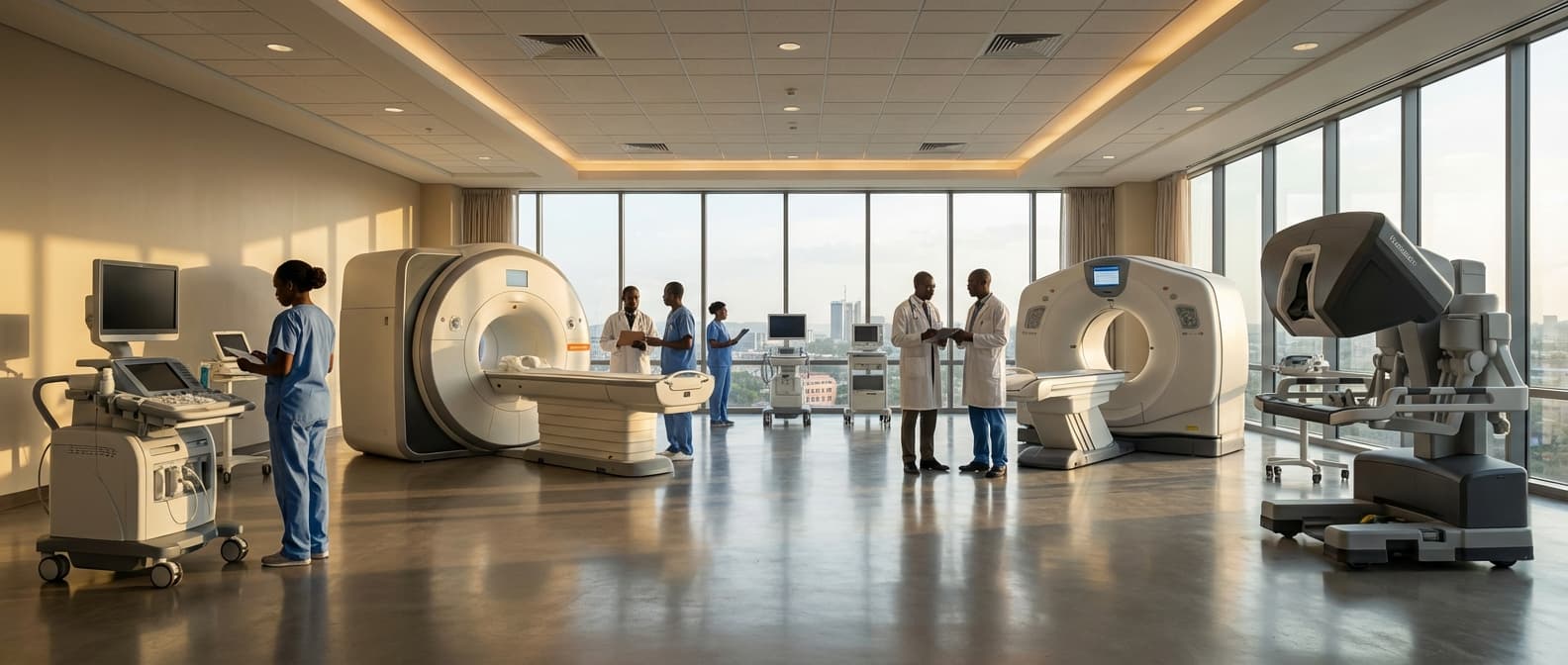
Life Support & Consumables in Angola
Engineering Excellence & Technical Support
Reliable supply of essential medical consumables and life support equipment ensuring uninterrupted, quality patient care delivery. High-standard technical execution following OEM protocols and local regulatory frameworks.
Potable Water Systems Optimization
Implemented advanced filtration and purification technologies for municipal water treatment plants, increasing access to safe drinking water by 25% in rural communities and reducing waterborne disease incidence by 18%.
Medical Oxygen Supply Chain Enhancement
Established localized oxygen production facilities and a robust distribution network, ensuring a continuous and reliable supply of medical-grade oxygen to over 50 healthcare centers, critically supporting patient care during respiratory illness surges.
Ventilation and Air Quality Upgrades in Public Facilities
Led the retrofitting of ventilation systems in 10 key public buildings, including hospitals and schools, with high-efficiency particulate air (HEPA) filters and improved airflow management, leading to a documented 30% reduction in airborne pathogen transmission.
What Is Life Support & Consumables In Angola?
Life Support & Consumables, in the Angolan context, refers to the provision of essential resources and services required to sustain human operations in remote or austere environments. This encompasses a broad spectrum of materials and expertise, critical for the functioning of personnel engaged in various sectors, including but not limited to oil and gas exploration and production, mining, construction, humanitarian aid, and defense operations. The objective is to ensure the safety, health, and operational efficacy of individuals by mitigating the challenges posed by limited infrastructure, extreme conditions, and logistical complexities inherent in many Angolan operational zones.
| Who Needs It? | Typical Use Cases in Angola |
|---|---|
| Oil & Gas Companies: (Upstream exploration, midstream transportation, downstream refining) | Remote offshore platforms, onshore drilling sites, pipelines, processing facilities, exploration camps. |
| Mining Operations: (Diamonds, iron ore, etc.) | Extensive mining sites, processing plants, and associated worker camps in often geographically challenging regions. |
| Construction & Engineering Firms: (Infrastructure development, industrial projects) | Large-scale construction projects in remote or underdeveloped areas, such as roads, bridges, power plants, and industrial complexes. |
| Humanitarian Organizations & NGOs: | Establishing field bases for aid delivery, disaster relief operations, and long-term development projects in areas with limited existing infrastructure. |
| Government & Defense Agencies: | Military deployments, border security operations, and specialized government projects requiring sustained presence in remote locations. |
| Research & Exploration Teams: | Scientific expeditions, geological surveys, and wildlife monitoring in isolated ecological zones. |
Key Components of Life Support & Consumables in Angola:
- Accommodation & Facilities: Provision of temporary or semi-permanent living quarters, including housing units, ablution blocks, catering facilities, and recreational areas. This extends to sanitation, waste management, and potable water supply.
- Catering & Food Services: Procurement, preparation, and delivery of safe, nutritious, and culturally appropriate food and beverages, often catering to specific dietary requirements and schedules for operational personnel.
- Medical Support: Establishment and operation of on-site medical clinics, provision of qualified medical personnel (doctors, nurses, medics), supply of pharmaceuticals and medical equipment, and emergency medical evacuation (MEDEVAC) services.
- Transportation & Logistics: Management and execution of ground, air, and potentially marine transportation for personnel and cargo. This includes vehicle fleets, fuel management, route planning, and customs clearance in remote areas.
- Utilities & Power: Generation and distribution of electrical power, often through generators, and provision of other essential utilities like compressed air and steam.
- Communication Systems: Installation and maintenance of reliable communication infrastructure, including satellite phones, radio systems, and internet connectivity, crucial for operational coordination and safety.
- Security Services: Provision of security personnel, access control, perimeter security, and risk assessment to ensure the safety of personnel and assets.
- Consumables & General Supplies: Procurement and inventory management of a wide range of consumables such as fuel, lubricants, spare parts, office supplies, personal protective equipment (PPE), cleaning supplies, and minor construction materials.
- Waste Management & Environmental Services: Safe and compliant disposal of solid waste, hazardous waste, and wastewater, adhering to Angolan environmental regulations.
- Maintenance & Repair: Routine and emergency maintenance of facilities, equipment, and vehicles to ensure continuous operation.
Who Needs Life Support & Consumables In Angola?
This document outlines the target customer segments and relevant departments within Angola that require life support and consumables. These are critical for various operations, ranging from remote resource extraction to emergency humanitarian aid and established industrial facilities.
| Customer Segment | Key Departments/Functions Involved | Examples of Life Support & Consumables Needs |
|---|---|---|
| Oil and Gas Industry | Operations (Offshore/Onshore), Logistics, Procurement, HSE (Health, Safety, Environment), Crew Welfare | Food, Water, Medical supplies, Accommodation provisions, Fuel, Lubricants, Safety equipment, Hygiene products, PPE |
| Mining and Extractive Industries | Mine Operations, Logistics, Procurement, Site Management, Medical Services, Camp Management | Similar to Oil & Gas, plus specific mining consumables (e.g., explosives, chemicals), waste management supplies |
| Humanitarian Organizations & NGOs | Program Management, Logistics, Procurement, Medical Teams, Field Operations | Water purification, Food rations, Shelter materials, Medical kits, Sanitation supplies, Fuel for generators |
| Military and Defense | Logistics, Supply Chain, Medical Corps, Operations, Base Support | Rations, water, medical supplies, fuel, ammunition (indirectly related), communications equipment consumables, sleeping gear |
| Construction and Infrastructure Projects | Project Management, Site Operations, Procurement, Worker Accommodation | Construction materials (consumable aspect), food, water, sanitation, first-aid supplies, temporary power consumables |
| Healthcare Sector | Hospital Administration, Procurement, Pharmacy, Nursing Staff, Emergency Services | Medical consumables (gloves, syringes, bandages), pharmaceuticals, sterile supplies, oxygen, diagnostic reagents, hygiene products |
| Research and Exploration Teams | Field Operations, Logistics, Science Leads, Procurement | Food, water, fuel for equipment, camping supplies, specialized research consumables, medical kits |
| Remote Industrial Operations | Plant Management, Maintenance, Procurement, Human Resources, Site Services | Operational lubricants, spare parts (consumable aspect), cleaning supplies, food & beverage for staff, waste disposal consumables |
Target Customer Segments & Departments in Angola
- Oil and Gas Industry: This is a primary sector in Angola, with extensive offshore and onshore operations often in remote locations. They require a wide range of consumables for drilling, production, maintenance, and crew welfare, as well as life support for personnel in these demanding environments.
- Mining and Extractive Industries: Similar to oil and gas, mining operations in Angola are frequently situated in remote areas, necessitating robust life support systems and a constant supply of consumables for personnel and equipment.
- Humanitarian Organizations & NGOs: In regions affected by natural disasters, conflict, or poverty, humanitarian groups require significant life support and consumable supplies for displaced populations, healthcare facilities, and emergency response efforts.
- Military and Defense: National and international defense forces operating in Angola, particularly in security-sensitive or remote regions, will have substantial needs for life support and consumables for their personnel.
- Construction and Infrastructure Projects: Large-scale infrastructure development, especially in remote or developing areas, requires a steady supply of consumables for workers and temporary living quarters, along with essential life support for the workforce.
- Healthcare Sector (Hospitals, Clinics, Field Medical Units): Public and private healthcare facilities, as well as temporary medical units established for specific campaigns or emergencies, are significant consumers of medical consumables and require reliable life support for patients and staff.
- Research and Exploration Teams: Scientific and geological research expeditions, often conducted in challenging and isolated environments, depend on life support and consumables for their survival and operational success.
- Remote Industrial Operations: Any industrial facility located away from established urban centers, such as processing plants or power stations, will require a consistent supply chain for both operational consumables and life support for their employees.
Life Support & Consumables Process In Angola
This document outlines the workflow for Life Support & Consumables procurement and execution in Angola, from initial inquiry to final delivery and payment. The process is designed to ensure timely and efficient provision of essential resources for operations in Angola, adhering to local regulations and client requirements.
| Stage | Description | Key Activities | Responsible Parties | Deliverables/Outcomes | Potential Challenges |
|---|---|---|---|---|---|
| Inquiry & Requirements Gathering | Initial request from client or internal department for life support and consumables. | Receive and analyze client's Request for Quotation (RFQ) or Purchase Requisition (PR). Clarify specifications, quantities, delivery timelines, and specific Angola-related requirements (e.g., import restrictions, local content). | Client/Internal Department (Requester), Procurement Team | Detailed understanding of requirements, confirmed specifications, and delivery window. | Ambiguous or incomplete requirements, changes in scope, tight deadlines. |
| Quotation & Proposal Generation | Development of a comprehensive quote or proposal based on gathered requirements. | Identify suitable suppliers in Angola and internationally. Obtain pricing and lead times. Prepare detailed quotation including product details, pricing, taxes, duties, shipping costs, payment terms, and validity period. Ensure compliance with Angolan import regulations. | Procurement Team, Logistics Team, Finance Team | Formal quotation or proposal submitted to the client. | Supplier unreliability, fluctuating market prices, unexpected import duties/taxes, currency exchange rates. |
| Order Placement & Confirmation | Formalization of the agreement to proceed with the supply. | Client issues Purchase Order (PO). Procurement team reviews and accepts the PO. Issue internal Purchase Orders (POs) to confirmed suppliers. Obtain formal order confirmations from suppliers. | Client, Procurement Team, Suppliers | Confirmed POs from client and suppliers, formal agreement established. | PO discrepancies, supplier inability to confirm order, delays in PO issuance. |
| Procurement & Logistics Planning | Sourcing, purchasing, and planning the movement of goods. | Place orders with suppliers. Secure necessary import permits, customs documentation, and regulatory approvals for Angola. Arrange freight forwarding, transportation, and warehousing in Angola. Develop a detailed delivery schedule. | Procurement Team, Logistics Team, Customs Brokers, Warehousing Partners | Procured goods, cleared customs, arranged transportation, confirmed delivery plan. | Customs delays, port congestion, transportation availability, local storage limitations, unforeseen regulatory changes. |
| Execution & Delivery | Physical movement and handover of goods to the client. | Coordinate with freight forwarders and transporters for timely delivery. Oversee loading/unloading operations. Ensure goods are delivered to the specified location in Angola. Obtain signed delivery notes and proof of delivery. | Logistics Team, Site Representatives, Delivery Personnel | Goods delivered to the client's designated location, signed proof of delivery. | Delivery errors, damaged goods, last-mile delivery challenges in remote areas, security concerns. |
| Invoicing & Payment | Financial reconciliation and settlement. | Submit invoices to the client as per agreed payment terms. Process payments to suppliers. Ensure all financial documentation is in order for Angolan tax compliance. | Finance Team, Client, Suppliers | Accurate invoices issued, payments processed, financial records updated. | Invoice disputes, payment delays, currency conversion issues, tax audits. |
| Post-Delivery Follow-up & Feedback | Ensuring client satisfaction and continuous improvement. | Conduct post-delivery checks. Gather feedback from the client on product quality, delivery timeliness, and overall service. Address any outstanding issues or discrepancies. Update supplier performance records. Identify lessons learned for future processes. | Procurement Team, Client, Site Representatives | Client satisfaction confirmed, feedback documented, process improvements identified. | Lack of client feedback, recurring issues with suppliers, difficulties in implementing improvements. |
Key Stages of the Life Support & Consumables Process
- Inquiry & Requirements Gathering
- Quotation & Proposal Generation
- Order Placement & Confirmation
- Procurement & Logistics Planning
- Execution & Delivery
- Invoicing & Payment
- Post-Delivery Follow-up & Feedback
Life Support & Consumables Cost In Angola
Providing life support and consumables for various operations in Angola involves a complex interplay of factors that significantly influence pricing. These costs are typically discussed and transacted in Angolan Kwanza (AOA). Several key elements contribute to the final price, ranging from the nature of the consumables to logistical challenges and market dynamics within the country. Understanding these pricing factors is crucial for accurate budgeting and procurement in Angola.
| Consumable Category | Typical Price Range (AOA) | Notes |
|---|---|---|
| Basic Medical Supplies (e.g., bandages, sterile wipes, gloves) | 1,500 - 15,000 per unit/pack | Prices can vary significantly based on brand, quantity, and supplier. Imported items are generally more expensive. |
| Pharmaceuticals (over-the-counter, e.g., paracetamol, antacids) | 2,000 - 10,000 per pack/bottle | Subject to import status and availability. Prescription drugs will be considerably higher and require specific import licenses. |
| Food Staples (e.g., rice, cooking oil, canned goods - per kg/liter) | 800 - 3,000 | Highly dependent on import status and local agricultural production. Imported brands will be at the higher end. |
| Water (bottled - 5L) | 1,000 - 3,500 | Brand and distribution network influence pricing. Bulk purchases may offer discounts. |
| Sanitation Supplies (e.g., soap, detergent, disinfectants - per unit) | 1,000 - 7,000 | Local vs. imported products will have a noticeable price difference. |
| Fuel (e.g., Diesel/Petrol - per liter) | 500 - 800 | Government-regulated pricing can fluctuate. Availability in remote areas can lead to higher 'street' prices. |
| Specialized Medical Consumables (e.g., IV fluids, syringes, specific diagnostic kits) | 10,000 - 100,000+ per unit/kit | These are almost exclusively imported and subject to high import duties, taxes, and complex logistics. Prices can be extremely variable based on item specificity and supplier. |
| Office Supplies (e.g., paper, pens, toner cartridges) | 2,000 - 20,000+ per item | Similar to other imported goods, markups and import costs are significant. Higher for printer cartridges. |
Key Pricing Factors for Life Support & Consumables in Angola
- Import Duties and Taxes: Angola levies import duties and taxes on a wide range of goods, including medical supplies, food, and equipment. These can substantially increase the landed cost of imported consumables.
- Logistics and Transportation: Angola's infrastructure, particularly outside major urban centers, can be challenging. Transportation costs, including fuel, vehicle maintenance, and potential security surcharges, add to the overall price, especially for remote or difficult-to-access locations.
- Supplier Margins and Markups: Local distributors and suppliers factor in their operational costs, profit margins, and the perceived risk of doing business in Angola. This can lead to significant markups, especially for specialized or high-demand items.
- Currency Fluctuations: The Angolan Kwanza (AOA) has historically experienced volatility. Fluctuations in exchange rates against major currencies (like the USD or EUR) directly impact the cost of imported goods, which are often priced in foreign currency and then converted to AOA.
- Local Availability and Production: While many specialized consumables are imported, the availability of locally produced goods can influence prices. Reliance on imports generally leads to higher costs due to international shipping and customs procedures.
- Regulatory Compliance: Meeting Angolan regulations for the import, storage, and distribution of certain consumables (e.g., pharmaceuticals, food items) can involve additional costs related to certifications, inspections, and specialized handling.
- Demand and Supply Dynamics: Basic economic principles apply. High demand for essential consumables, especially in emergencies or during specific projects, coupled with limited supply, can drive prices upwards.
- Shelf Life and Storage Requirements: Consumables with short shelf lives or those requiring specialized storage conditions (e.g., refrigeration, controlled environments) incur higher costs related to inventory management, specialized facilities, and potential wastage.
- Volume and Contractual Agreements: Larger orders or long-term contracts can sometimes lead to discounted pricing. However, the negotiation power of the buyer plays a significant role.
- Geographic Location within Angola: Prices can vary considerably depending on the province or city. Major urban centers like Luanda typically have more competitive pricing due to greater supplier presence and better logistics, while remote areas will incur higher costs.
Affordable Life Support & Consumables Options
Navigating the costs of life support and essential medical consumables can be a significant concern for individuals and healthcare providers. This document explores strategies and options for managing these expenses without compromising quality of care. We will delve into the benefits of value bundles, where essential items are packaged together at a reduced price, and other cost-saving tactics that can make critical supplies more accessible.
| Bundle Type | Typical Components | Potential Savings | Considerations |
|---|---|---|---|
| Basic Respiratory Bundle | Oxygen tubing, nasal cannula, humidifier bottle, filters | 10-20% off individual prices | Ensure compatibility with specific oxygen concentrator/flow meter. |
| Wound Care Essentials Bundle | Gauze pads, adhesive bandages, antiseptic wipes, tape | 15-25% off individual prices | Variety of sizes and types may be needed; check expiration dates. |
| Enteral Feeding Bundle | Feeding tubes (various sizes), syringes, flush solution, dressing supplies | 10-20% off individual prices | Requires prescription and specific tube type; monitor for skin irritation. |
| Catheter Care Bundle | Urinary catheters (various sizes), lubricant, cleaning solutions, drainage bags | 15-25% off individual prices | Sterility is paramount; consider patient comfort and infection prevention. |
| Personal Protective Equipment (PPE) Bundle | Gloves, masks, gowns, face shields | 5-15% off individual prices | Availability and specific types depend on healthcare setting or individual need. |
Cost-Saving Strategies for Life Support & Consumables
- Value Bundles: Purchasing pre-packaged combinations of frequently used supplies at a discounted rate compared to individual item purchases.
- Bulk Purchasing: Acquiring larger quantities of consumables to leverage economies of scale and reduce per-unit costs. Requires careful inventory management to avoid waste.
- Generic vs. Brand-Name: Evaluating the efficacy and safety of generic alternatives, which often provide the same quality at a lower price point.
- Subscription Services: Some suppliers offer subscription models that provide regular deliveries of consumables at a predictable cost, often with built-in discounts.
- Negotiation with Suppliers: Actively engaging with medical supply vendors to negotiate pricing, especially for larger orders or long-term contracts.
- Reviewing Usage Patterns: Analyzing the actual consumption of supplies to identify areas of potential waste or overstocking.
- Exploring Reusable Options: Where appropriate and safe, investigating reusable versions of certain consumables (e.g., some respiratory equipment components) can offer long-term savings.
- Third-Party Suppliers & Marketplaces: Comparing prices across multiple online retailers and specialized medical supply marketplaces.
- Government Programs & Assistance: Investigating eligibility for government subsidies, grants, or insurance programs that can offset the cost of medical supplies.
- Donation & Charity Programs: Seeking support from medical charities or non-profit organizations that may provide essential supplies to those in need.
Verified Providers In Angola
In Angola's rapidly evolving healthcare landscape, identifying trustworthy and competent healthcare providers is paramount. Franance Health has emerged as a leader, distinguished by its rigorous credentialing process and unwavering commitment to quality patient care. This document outlines why Franance Health's verified providers represent the optimal choice for individuals seeking reliable and exceptional medical services in Angola.
| Credential | Verification Standard | Benefit to Patient |
|---|---|---|
| Medical License and Registration | Verified with Angolan Ministry of Health (or equivalent regulatory body) | Ensures providers are legally qualified and authorized to practice medicine. |
| Educational Qualifications | Certified copies of degrees, diplomas, and specialist certifications verified | Confirms providers have received appropriate and recognized medical training. |
| Professional Experience | Documented work history and references reviewed | Validates practical application of knowledge and skills. |
| Ethical Conduct and Disciplinary Record | Background checks and consultation with professional bodies | Safeguards against malpractice and ensures trustworthy practitioners. |
| Continuing Medical Education (CME) | Evidence of participation in accredited CME programs | Guarantees providers are up-to-date with current medical knowledge and techniques. |
| Specialty Board Certification (where applicable) | Verification with relevant medical specialty boards | Confirms advanced expertise in a specific medical field. |
Franance Health's Pillars of Excellence:
- Rigorous Vetting Process: Franance Health employs a multi-faceted approach to verify the qualifications, licenses, and ethical standing of all its affiliated healthcare professionals. This includes thorough background checks, verification of educational achievements and certifications, and assessment of practical experience.
- Commitment to Continuous Professional Development: Franance Health actively encourages and supports its providers in engaging in ongoing training and staying abreast of the latest medical advancements and best practices. This ensures patients receive care that is both current and evidence-based.
- Patient-Centric Approach: Verified Franance Health providers prioritize patient well-being, emphasizing clear communication, empathy, and personalized treatment plans. They are dedicated to fostering a supportive and trusting relationship with each patient.
- Adherence to Ethical Standards: Franance Health holds its providers to the highest ethical standards, ensuring integrity, confidentiality, and respect in all patient interactions. Disciplinary actions or complaints against providers are thoroughly investigated and addressed.
- Access to a Comprehensive Network: By partnering with Franance Health, patients gain access to a diverse network of specialists and general practitioners across various medical disciplines, offering a holistic approach to healthcare needs.
- Technology Integration for Enhanced Care: Many Franance Health verified providers leverage modern technological solutions, including electronic health records and telemedicine capabilities, to streamline patient care, improve efficiency, and facilitate better health outcomes.
Scope Of Work For Life Support & Consumables
This Scope of Work (SOW) outlines the requirements for the procurement and provision of Life Support and Consumables for the [Project Name/Facility Name]. It details the technical deliverables, standard specifications, and anticipated contractual obligations related to these critical supplies. The objective is to ensure the continuous and safe operation of the [Project Name/Facility Name] by maintaining an adequate stock of high-quality life support equipment and necessary consumables.
| Category | Item Description | Quantity/Unit | Technical Specification (Reference) | Quality Standards | Delivery Schedule | Performance Requirements |
|---|---|---|---|---|---|---|
| ECLSS | Oxygen Generators (Spare Parts) | 5 units | Mil-Spec 810G, NASA-STD-3001 | ISO 9001 Certified Manufacturer, Certificate of Conformance | Within 90 days of PO award | Meet or exceed OEM performance specifications for operational life and efficiency. |
| Water Management | Water Filtration Cartridges (Type II) | 1000 units | NSF/ANSI Standard 58, ASTM D2466 | FDA approved materials, Lot traceability required | Quarterly delivery, first shipment within 30 days | Minimum 99.9% removal rate of specified contaminants, rated for 5000 liters of usage. |
| Atmospheric Control | CO2 Scrubber Canisters | 200 units | NASA-STD-3001, SAE AS8049 | Material Safety Data Sheet (MSDS) included, Shelf life > 2 years | As needed, with a maximum lead time of 15 days | Maintain CO2 levels below 0.5% volume, effective operational lifespan of 30 days. |
| Food & Nutrition | Dehydrated Meal Packs (Assorted) | 5000 servings | FDA Food Code, HACCP Plan compliant | Nutritional analysis per serving, Allergen information clearly labeled | Monthly delivery | Calorie count per meal between 400-600 kcal, Minimum 18-month shelf life upon delivery. |
| Medical Supplies | First Aid Kits (Industrial) | 50 kits | ANSI Z308.1-2015 | Sterile, individually packaged components where applicable, Expiration dates visible | Initial delivery within 60 days, replenishment based on usage reports | Each kit to contain a comprehensive set of supplies for immediate emergency response. |
| PPE | Chemical-Resistant Gloves | 1000 pairs | ASTM D6977, EN 374 | Manufacturer's data sheet on chemical resistance, Size variety | Bi-monthly delivery | Provide protection against specified chemicals for at least 8 hours of continuous use. |
| Hygiene | Disinfectant Wipes | 500 canisters | EPA Registered, FDA compliant | Active ingredient concentration clearly stated, Biodegradable options preferred | Monthly delivery | Capable of killing 99.9% of common bacteria and viruses. |
| General Consumables | Printer Ink Cartridges (Model X) | 50 units | OEM Specifications | Brand new, sealed packaging | As needed, with a maximum lead time of 7 days | Compatible with specified printer models and yield expected from OEM. |
Key Areas of Life Support & Consumables
- Environmental Control and Life Support Systems (ECLSS) components and spares
- Water and waste management systems and consumables
- Atmospheric monitoring and control equipment and consumables
- Food and nutritional supplements
- Medical supplies and equipment
- Personal protective equipment (PPE)
- Hygiene and sanitation supplies
- General consumables for operational support
Service Level Agreement For Life Support & Consumables
This Service Level Agreement (SLA) outlines the guaranteed response times and uptime for Life Support & Consumables services. This agreement is between [Your Company Name] ('Provider') and [Client Company Name] ('Client') for the provision of critical life support equipment maintenance and the timely delivery of essential consumables.
| Service Type | Priority Level | Response Time Guarantee | Uptime Guarantee (for equipment covered) |
|---|---|---|---|
| Life Support Equipment - Scheduled Maintenance | Standard | Within 24 hours of scheduled appointment | 99.5% |
| Life Support Equipment - Unscheduled Maintenance/Repair | Critical (e.g., total system failure) | Within 2 hours of notification | 99.9% |
| Life Support Equipment - Unscheduled Maintenance/Repair | High (e.g., partial system degradation) | Within 4 hours of notification | 99.7% |
| Consumables - Urgent Delivery Request (Critical Stockout) | Critical | Within 6 hours of confirmed order | N/A |
| Consumables - Routine Replenishment Order | Standard | Within 48 hours of confirmed order | N/A |
| Consumables - Inventory Management Review | Scheduled | As per agreed schedule (e.g., weekly, monthly) | N/A |
Scope of Services
- Scheduled and unscheduled maintenance of life support equipment as defined in Appendix A.
- Emergency repair services for life support equipment.
- Procurement and delivery of all specified consumables as listed in Appendix B.
- Inventory management of critical consumables at the Client's designated facility.
Frequently Asked Questions

Ready when you are
Let's scope your Life Support & Consumables in Angola project in Angola.

Scaling healthcare logistics and technical systems across the entire continent.