
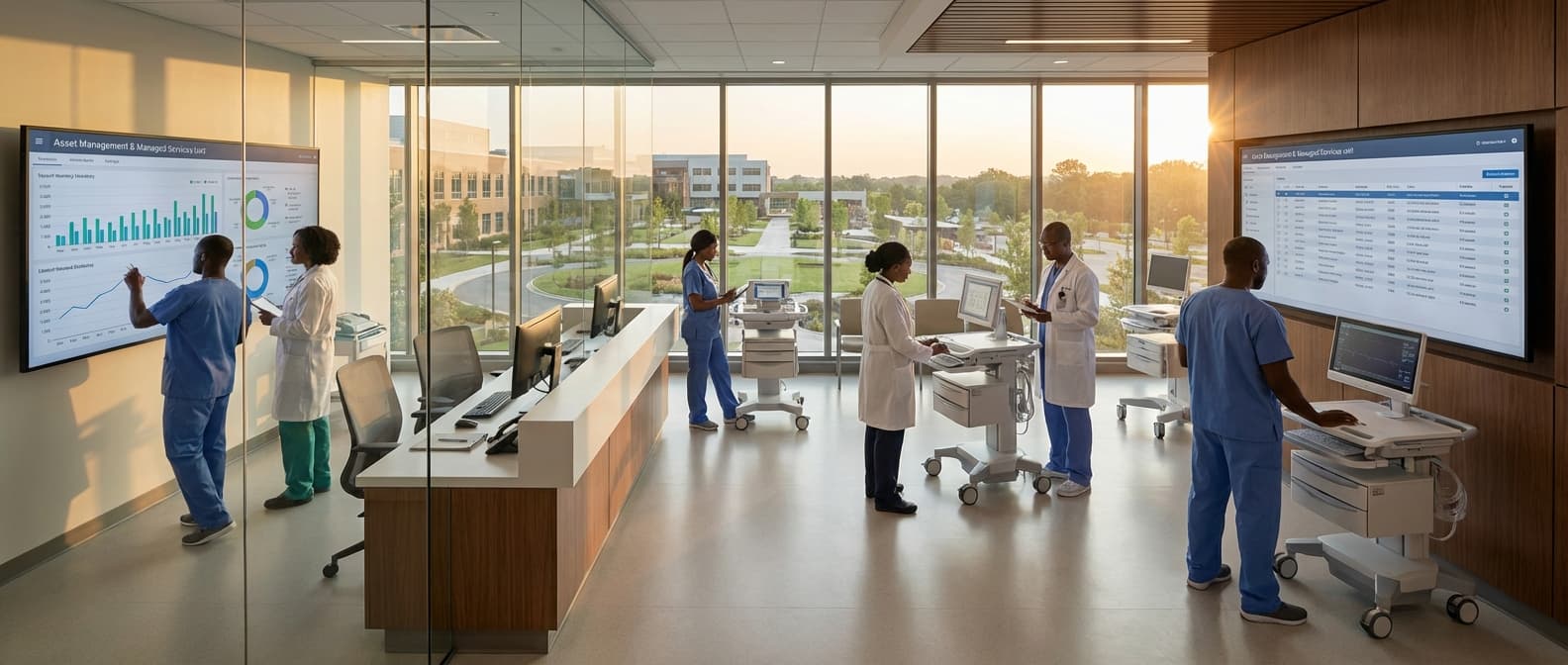
Equipment Fleet Standardization Consulting Service in Angola
Engineering Excellence & Technical Support
Equipment Fleet Standardization Consulting Service High-standard technical execution following OEM protocols and local regulatory frameworks.
Optimized Fleet Utilization for Resource Extraction
Leveraging advanced data analytics, we identify and eliminate underutilized or redundant equipment within your Angolan resource extraction fleet, directly impacting operational efficiency and reducing capital expenditure on unnecessary assets.
Standardized Maintenance & Parts Management for Reduced Downtime
Implementing a standardized equipment model across your Angolan operations simplifies maintenance protocols, streamlines spare parts inventory, and minimizes costly downtime by ensuring readily available expertise and components.
Strategic Lifecycle Cost Analysis for Asset Acquisition
Our consulting service provides in-depth lifecycle cost analysis for equipment acquisition in Angola, ensuring your fleet standardization strategy aligns with long-term total cost of ownership, including fuel efficiency, maintenance, and resale value.
What Is Equipment Fleet Standardization Consulting Service In Angola?
Equipment Fleet Standardization Consulting Service in Angola refers to specialized advisory services focused on developing and implementing strategies to optimize the uniformity and interoperability of an organization's equipment fleet within the Angolan operational context. This involves the analysis of existing equipment portfolios, the identification of redundancies, inefficiencies, and compatibility issues, and the subsequent formulation of recommendations for standardized makes, models, specifications, and maintenance protocols. The service aims to enhance operational efficiency, reduce total cost of ownership, improve asset utilization, streamline maintenance and repair processes, and facilitate training and spare parts management.
| Who Needs This Service? | Typical Use Cases in Angola | ||||||
|---|---|---|---|---|---|---|---|
| Large-scale Industrial Operations: Companies in sectors such as oil and gas, mining, construction, agriculture, and logistics with extensive equipment fleets operating in Angola. | Asset-intensive Project Management: Organizations undertaking significant infrastructure development, resource extraction, or large-scale agricultural projects requiring coordinated fleet management. | Companies with Multiple Operational Sites: Businesses managing geographically dispersed operations within Angola, where a uniform fleet simplifies management and resource allocation. | Organizations Experiencing High Maintenance Costs: Companies struggling with the financial burden of maintaining diverse and incompatible equipment. | Entities Aiming for Improved Operational Efficiency: Businesses seeking to reduce downtime, optimize resource utilization, and enhance productivity through a more cohesive fleet. | Companies Undergoing Fleet Modernization or Expansion: Firms looking to invest in new equipment and ensure it aligns with a strategic standardization plan. | Government Agencies and Parastatals: Public sector entities responsible for managing large fleets of public works, transportation, or utility equipment. | International Companies Operating in Angola: Foreign entities looking to establish or optimize their operational footprint with an efficient and compliant equipment strategy for the Angolan market. |
| Oil and Gas Exploration and Production: Standardizing drilling rigs, service vehicles, marine vessels, and specialized exploration equipment for remote and challenging Angolan terrains. | Mining Operations: Optimizing the fleet of heavy-duty trucks, excavators, loaders, and processing equipment for mineral extraction in diverse geological conditions. | Infrastructure Development Projects: Standardizing construction machinery, earthmoving equipment, and transportation vehicles for road, dam, and building construction. | Agricultural Mechanization: Harmonizing tractors, harvesters, irrigation systems, and support vehicles for large-scale farming operations. | Logistics and Transportation: Standardizing fleets of trucks, forklifts, and warehousing equipment for efficient movement of goods across Angola's expanding transportation network. | Energy Sector (Power Generation and Distribution): Standardizing utility vehicles, specialized maintenance equipment, and generators for reliable energy provision. | Telecommunications Infrastructure Deployment: Optimizing fleets of specialized vehicles and tools for the installation and maintenance of communication networks. | Disaster Relief and Humanitarian Aid Operations: Ensuring a readily deployable and maintainable fleet of essential equipment for emergency response. |
Key Aspects of Equipment Fleet Standardization Consulting
- Fleet Audit and Analysis: Comprehensive assessment of current equipment inventory, including age, condition, utilization rates, maintenance history, and operational suitability for Angolan conditions (e.g., climate, terrain, infrastructure).
- Needs Assessment and Requirements Definition: Alignment of fleet composition with specific operational objectives, project demands, and industry best practices prevalent in Angola.
- Standardization Strategy Development: Creation of a phased roadmap for introducing standardized equipment types, brands, and configurations across the fleet.
- Technology and Specification Benchmarking: Evaluation of emerging technologies and equipment specifications relevant to the Angolan market, ensuring compliance with local regulations and standards.
- Procurement and Lifecycle Management Guidance: Development of policies and procedures for the acquisition, deployment, maintenance, and disposal of standardized equipment.
- Training and Competency Development: Designing training programs to ensure personnel proficiency with the standardized fleet.
- Spare Parts and Maintenance Optimization: Establishing centralized inventory management and standardized maintenance procedures for common components and equipment types.
- Risk Assessment and Mitigation: Identifying potential challenges in implementation (e.g., supply chain constraints in Angola, resistance to change) and developing mitigation strategies.
- Performance Monitoring and Reporting: Defining key performance indicators (KPIs) to track the effectiveness of the standardization initiative and provide regular reports.
Who Needs Equipment Fleet Standardization Consulting Service In Angola?
In Angola, the need for equipment fleet standardization consulting services is growing as businesses aim to optimize operations, reduce costs, and enhance efficiency across their machinery and vehicle deployments. Standardization offers significant advantages in areas like maintenance, procurement, training, and fuel management. This service is crucial for organizations grappling with diverse fleets, operational inefficiencies, and escalating maintenance expenses.
| Target Customer Type | Specific Industries | Key Departments / Roles |
|---|---|---|
| Large Corporations & Conglomerates | Oil & Gas, Mining, Construction, Agriculture, Logistics, Telecommunications, Energy & Utilities | Fleet Management, Operations, Procurement, Maintenance & Engineering, Finance, Supply Chain |
| Government & Public Sector Agencies | Public Works, Transportation, Defense, Emergency Services (e.g., Fire, Ambulance), Municipalities | Asset Management, Infrastructure Development, Procurement, Logistics, Operations |
| Medium to Large Sized Enterprises | Any industry with a significant operational footprint relying on equipment (e.g., Manufacturing, Hospitality with transport fleets, large retail distribution) | Operations Management, Fleet Managers, Procurement Officers, Facility Managers, Technical Supervisors |
| International Companies Operating in Angola | All sectors involving significant on-ground operations | Regional Fleet Managers, Country Operations Managers, Procurement Directors, Asset Management Leads |
| Companies with Outsourced Fleet Operations | Logistics, Transportation, Mining | Contract Managers, Procurement Specialists, Operations Directors (overseeing third-party providers) |
Target Customers and Departments in Angola Requiring Equipment Fleet Standardization Consulting
- Organizations with large and diverse fleets of vehicles and heavy equipment.
- Companies operating in industries with significant equipment reliance.
- Businesses experiencing high maintenance costs and downtime.
- Firms seeking to improve operational efficiency and reduce inventory.
- Companies aiming to leverage technology for better fleet management.
- Organizations undergoing expansion or mergers and acquisitions, inheriting disparate fleets.
Equipment Fleet Standardization Consulting Service Process In Angola
This document outlines the workflow for our Equipment Fleet Standardization Consulting Service in Angola, guiding clients from their initial inquiry through the successful execution of the project. Our process is designed to be transparent, collaborative, and results-oriented, ensuring that your fleet optimization goals are met efficiently and effectively.
| Phase | Key Stages | Activities | Deliverables | Timeline (Estimated) |
|---|---|---|---|---|
| Phase 1: Inquiry & Initial Consultation | Initial Contact & Needs Assessment | Client expresses interest via website, email, or phone. Initial discussion to understand client's current fleet challenges, objectives, and scale of operations in Angola. | Understanding of client needs, preliminary assessment of scope. | 1-3 business days |
| Phase 2: Proposal Development & Agreement | Proposal Creation & Review | Develop a detailed proposal outlining scope of work, methodology, team expertise, timeline, and cost. Present proposal to client and discuss any required modifications. | Comprehensive consulting proposal, mutually agreed upon Statement of Work (SOW). | 3-7 business days |
| Phase 3: Project Scoping & Data Collection | Kick-off Meeting & Data Gathering | Formal project kick-off meeting to align on objectives, key stakeholders, and communication protocols. Conduct in-depth data collection, including fleet inventory, operational data (usage, maintenance, downtime), costs, existing standards, and regulatory requirements in Angola. | Detailed project plan, comprehensive fleet data repository. | 1-3 weeks |
| Phase 4: Analysis & Strategy Development | Fleet Performance Analysis | Analyze collected data to identify inefficiencies, redundancies, high-cost areas, and areas for standardization. Benchmark against industry best practices and Angola's specific operational context. Develop strategic options for fleet optimization. | Performance analysis report, identification of key improvement areas. | 2-4 weeks |
| Phase 5: Standardization Plan & Recommendations | Develop & Present Standardization Strategy | Formulate a tailored fleet standardization strategy. This includes recommendations for ideal fleet composition, equipment types, makes/models, maintenance protocols, training requirements, and procurement guidelines. Present findings and recommendations to client stakeholders. | Fleet standardization strategy document, presentation of recommendations. | 1-2 weeks |
| Phase 6: Implementation Support | Guidance & Facilitation | Provide support in the implementation of the standardization plan. This may involve assisting with vendor selection, procurement processes, pilot programs, change management, and training program development. Adapt strategies based on real-time feedback and operational realities in Angola. | Implementation roadmap, ongoing advisory, training materials (if applicable). | Variable (depending on client's implementation pace) |
| Phase 7: Monitoring, Evaluation & Closure | Performance Tracking & Project Completion | Establish key performance indicators (KPIs) to monitor the impact of standardization. Conduct post-implementation reviews to assess achieved benefits against original objectives. Provide final report and recommendations for ongoing fleet management. Officially close the project. | Post-implementation review report, final project documentation, lessons learned. | 1-2 weeks |
Equipment Fleet Standardization Consulting Service Process in Angola: Workflow Overview
- Phase 1: Inquiry & Initial Consultation
- Phase 2: Proposal Development & Agreement
- Phase 3: Project Scoping & Data Collection
- Phase 4: Analysis & Strategy Development
- Phase 5: Standardization Plan & Recommendations
- Phase 6: Implementation Support
- Phase 7: Monitoring, Evaluation & Closure
Equipment Fleet Standardization Consulting Service Cost In Angola
Estimating the cost of equipment fleet standardization consulting services in Angola requires a nuanced understanding of several key pricing factors. These services aim to optimize a company's fleet by reducing the variety of equipment, improving maintenance efficiency, streamlining procurement, and enhancing operational performance. The pricing is typically project-based and influenced by the scope of work, the complexity of the existing fleet, the desired level of standardization, and the experience of the consulting firm.
| Service Component | Estimated Range (Angolan Kwanza - AOA) | Notes |
|---|---|---|
| Initial Fleet Assessment & Analysis | 2,000,000 - 8,000,000 | Covers data collection, diagnostics, and initial benchmarking of the existing fleet. |
| Standardization Strategy Development | 3,000,000 - 12,000,000 | Involves defining target fleet mix, performance criteria, and standardization roadmap. |
| Vendor Evaluation & Selection Support | 1,500,000 - 7,000,000 | Assisting in RFPs, evaluating proposals, and recommending suitable equipment suppliers. |
| Implementation Planning & Project Management | 4,000,000 - 15,000,000+ | Detailed plans for procurement, disposal, training, and integration. Can be a significant portion for large fleets. |
| Post-Implementation Review & Optimization | 1,000,000 - 5,000,000 | Monitoring, measuring impact, and identifying areas for further improvement. |
| Daily Consulting Rate (Senior Consultant) | 150,000 - 500,000+ | Highly variable based on firm, experience, and Angolan market rates. |
| Full Project (Small to Medium Fleet, 6-12 months) | 15,000,000 - 50,000,000 | A ballpark figure for a moderately complex project with a defined scope. |
| Full Project (Large/Complex Fleet, 12-24 months) | 50,000,000 - 150,000,000+ | For extensive fleets across multiple sites, requiring deep analytical and implementation support. |
Key Pricing Factors for Equipment Fleet Standardization Consulting in Angola
- Scope of Services: This is the most significant driver. A comprehensive project might include fleet assessment, needs analysis, standardization strategy development, vendor selection, implementation planning, and post-implementation support. A narrower scope, like just a strategic assessment, will be less expensive.
- Fleet Size and Complexity: The number of vehicles/equipment, the diversity of types (e.g., heavy machinery, light vehicles, specialized equipment), and their geographic distribution across Angola all impact the effort required for data collection, analysis, and strategy formulation.
- Level of Standardization Desired: Is the goal to reduce to a few core models or a wider range with common parts? Higher levels of standardization often require more in-depth analysis and negotiation.
- Data Availability and Quality: The ease with which consultants can access accurate data on fleet age, performance, maintenance history, fuel consumption, and operational costs will affect the time and resources needed.
- Consulting Firm's Experience and Reputation: Established international firms or highly specialized local consultancies will command higher fees than smaller or less experienced local players.
- Project Duration: Longer projects with more phases naturally incur higher costs.
- Travel and Logistics: Given Angola's vastness and infrastructure challenges, extensive travel to different operational sites within the country will add to the overall cost.
- Reporting and Deliverables: The complexity and detail of the reports, presentations, and actionable plans provided.
- On-site vs. Remote Work: The balance between consultant presence on-site in Angola and remote analysis.
- Local vs. International Consultants: International consultants may have higher daily rates but bring global best practices. Local consultants might have a better understanding of the Angolan market and regulatory environment.
Affordable Equipment Fleet Standardization Consulting Service Options
Our Affordable Equipment Fleet Standardization Consulting Service is designed to help businesses of all sizes optimize their equipment operations, reduce costs, and improve efficiency. We understand that not all organizations have the budget for extensive overhaul. Therefore, we offer flexible value bundles and cost-saving strategies tailored to your specific needs.
| Value Bundle | Description | Target Audience | Key Deliverables | Estimated Investment Range |
|---|---|---|---|---|
| Essential Fleet Assessment | A foundational analysis of your current equipment, usage patterns, and immediate cost-saving opportunities. | Small to medium-sized businesses, or those seeking a quick initial review. | Current fleet inventory report, initial cost-saving recommendations, basic standardization roadmap. | $1,500 - $3,000 |
| Core Standardization Package | Comprehensive analysis of your fleet, development of a standardized equipment list, and a phased implementation plan. | Medium-sized businesses, or those with a moderate fleet size and growth potential. | Detailed fleet analysis, standardized equipment recommendation report, phased implementation strategy, vendor negotiation guidelines. | $3,000 - $7,000 |
| Strategic Fleet Optimization | An in-depth strategic approach including standardization, lifecycle management, total cost of ownership (TCO) analysis, and advanced cost-saving initiatives. | Larger organizations, or those seeking a complete overhaul and long-term strategic planning. | All deliverables from Core Package, TCO analysis for key equipment categories, advanced vendor management strategies, sustainability integration recommendations, risk assessment. | $7,000 - $15,000+ |
| On-Demand Consultation | Flexible hourly consulting for specific questions, problem-solving, or expert advice on a particular aspect of fleet standardization. | Any size business with ad-hoc needs. | Expert advice and guidance tailored to your specific inquiries. | $150 - $300 per hour |
Key Benefits of Fleet Standardization
- Reduced Maintenance Costs: Fewer unique parts and standardized training lead to lower repair expenses.
- Improved Operational Efficiency: Streamlined processes, simplified training, and faster repairs.
- Enhanced Safety: Consistent operator training and familiarization with equipment.
- Optimized Inventory Management: Reduced stock of spare parts and consumables.
- Negotiating Power: Bulk purchasing of standardized equipment and parts.
- Easier Resale Value: Standardized, well-maintained fleets often command higher resale prices.
- Simplified Training & Onboarding: Faster integration of new operators.
Verified Providers In Angola
In Angola, securing reliable and trustworthy healthcare is paramount. Franance Health stands out as a beacon of excellence, offering a network of verified providers that assure quality, safety, and patient-centered care. Choosing Franance Health means partnering with a system that prioritizes your well-being through rigorous vetting and a commitment to the highest medical standards.
| Credential Type | Franance Health Verification Standard | Benefit to Patient |
|---|---|---|
| Medical Licenses | Mandatory, up-to-date, and verified with the Angolan Ministry of Health. | Ensures providers are legally authorized to practice medicine. |
| Specialty Certifications | Confirmed and recognized by reputable medical boards and institutions. | Guarantees expertise in specific medical fields. |
| Professional Experience | Thorough review of work history, including references and past performance. | Indicates practical skill and a track record of effective treatment. |
| Continuing Medical Education (CME) | Proof of ongoing professional development and commitment to staying current with medical advancements. | Ensures patients receive care based on the latest knowledge and techniques. |
| Ethical Conduct & Disciplinary History | Rigorous background checks for any disciplinary actions or ethical breaches. | Protects patients from malpractice and ensures trustworthy care. |
| Facility Standards (for clinics/hospitals) | Assessment of infrastructure, equipment, hygiene, and safety protocols. | Provides a safe and well-equipped environment for treatment. |
Why Franance Health Providers are the Best Choice:
- Rigorous Verification Process: Franance Health employs a stringent vetting procedure for all its partner providers. This includes comprehensive background checks, verification of credentials, licenses, and professional histories to ensure that only highly qualified and ethical practitioners join their network.
- Commitment to Quality Care: Verified Franance Health providers adhere to established best practices and are dedicated to delivering evidence-based medical treatment. This commitment translates to better patient outcomes and a higher level of satisfaction.
- Access to Specialized Expertise: Franance Health's network encompasses a wide range of medical specialties. Through their verification, patients can confidently access experienced specialists for their specific healthcare needs, from general practitioners to surgeons and beyond.
- Patient Safety as a Priority: The verification process includes assessments of facility standards, safety protocols, and adherence to infection control measures, ensuring a safe and secure environment for all patients.
- Transparent and Trustworthy: Franance Health's commitment to transparency means patients can trust the credentials and quality of care provided by their network. This builds confidence and reduces the anxiety often associated with seeking healthcare.
- Affordability and Accessibility: While maintaining high standards, Franance Health strives to make quality healthcare accessible and affordable to a broader population in Angola through their curated network of verified providers.
Scope Of Work For Equipment Fleet Standardization Consulting Service
This Scope of Work (SOW) outlines the services to be provided by [Consulting Firm Name] (the "Consultant") to [Client Name] (the "Client") for a comprehensive Equipment Fleet Standardization project. The primary objective is to develop and implement a strategy for standardizing the Client's diverse equipment fleet, leading to improved operational efficiency, reduced maintenance costs, enhanced safety, and optimized procurement processes.
| Deliverable | Description | Format | Timeline (Weeks from Project Start) |
|---|---|---|---|
| Current State Assessment Report | Detailed analysis of the existing equipment fleet, including inventory, usage patterns, maintenance history, operational costs, and current standardization levels. Identification of key pain points and opportunities. | Digital Document (PDF, Word) | 4 |
| Standardization Strategy Document | Proposed strategy for fleet standardization, including recommended equipment categories, preferred manufacturers/models, justification for choices, phased implementation approach, and expected benefits. | Digital Document (PDF, Word) | 8 |
| Standard Equipment Specification Templates | Develop detailed technical specifications for standardized equipment across key categories (e.g., light vehicles, heavy machinery, material handling). These templates will include performance requirements, safety features, emission standards, maintenance considerations, and warranty provisions. | Digital Document (Excel, Word Templates) | 12 |
| Implementation Roadmap | A phased plan outlining the steps, timelines, resources, and responsibilities required to implement the standardization strategy. Includes procurement, disposal, training, and integration plans. | Digital Document (PDF, Project Management Software Export) | 14 |
| Training Materials and Plan | Development of training materials for maintenance staff, operators, and procurement personnel on the new standardized equipment and processes. Includes a training schedule and delivery plan. | Digital Documents (Presentations, Handouts) | 16 |
| Standard Specification Catalog | A consolidated catalog of all approved standard equipment specifications, easily accessible to relevant stakeholders. | Digital Database/Intranet Portal | 18 |
| Performance Monitoring Framework | A framework for tracking and measuring the impact of standardization on key performance indicators (KPIs) such as maintenance costs, downtime, fuel efficiency, and safety incidents. | Digital Document (Excel, Dashboard Template) | 20 |
| Final Project Report and Recommendations | A comprehensive report summarizing project activities, findings, implemented solutions, and recommendations for ongoing fleet management and future standardization efforts. | Digital Document (PDF, Word) | 22 |
Key Project Phases and Activities
- Phase 1: Discovery and Assessment
- Phase 2: Strategy Development and Recommendation
- Phase 3: Standard Specification Development
- Phase 4: Implementation Planning
- Phase 5: Training and Change Management
- Phase 6: Performance Monitoring and Optimization
Service Level Agreement For Equipment Fleet Standardization Consulting Service
This Service Level Agreement (SLA) outlines the guaranteed response times and uptime for the Equipment Fleet Standardization Consulting Service provided by [Consulting Firm Name] to [Client Name]. This SLA is incorporated by reference into the Master Service Agreement (MSA) between the parties.
| Service Component | Priority Level | Response Time Guarantee | Uptime Guarantee |
|---|---|---|---|
| Initial Consultation & Strategy Sessions | High | Within 4 business hours of request | N/A (Human-driven service) |
| Data Analysis & Reporting Support | High | Within 8 business hours of request | N/A (Human-driven service) |
| Platform Access (if applicable for collaborative tools) | High | Within 2 business hours of reported issue | 99.5% per calendar month |
| Troubleshooting & Issue Resolution (technical aspects of shared platforms) | Medium | Within 1 business day of reported issue | 99.5% per calendar month |
| General Inquiries & Administrative Support | Low | Within 2 business days of request | N/A (Human-driven service) |
Key Performance Indicators (KPIs)
- Response Time: The maximum time allowed for [Consulting Firm Name] to acknowledge and begin addressing a reported issue.
- Uptime Guarantee: The percentage of time the consulting services and related platforms are available and operational for the client's use.
Frequently Asked Questions

Ready when you are
Let's scope your Equipment Fleet Standardization Consulting Service in Angola project in Angola.

Scaling healthcare logistics and technical systems across the entire continent.