
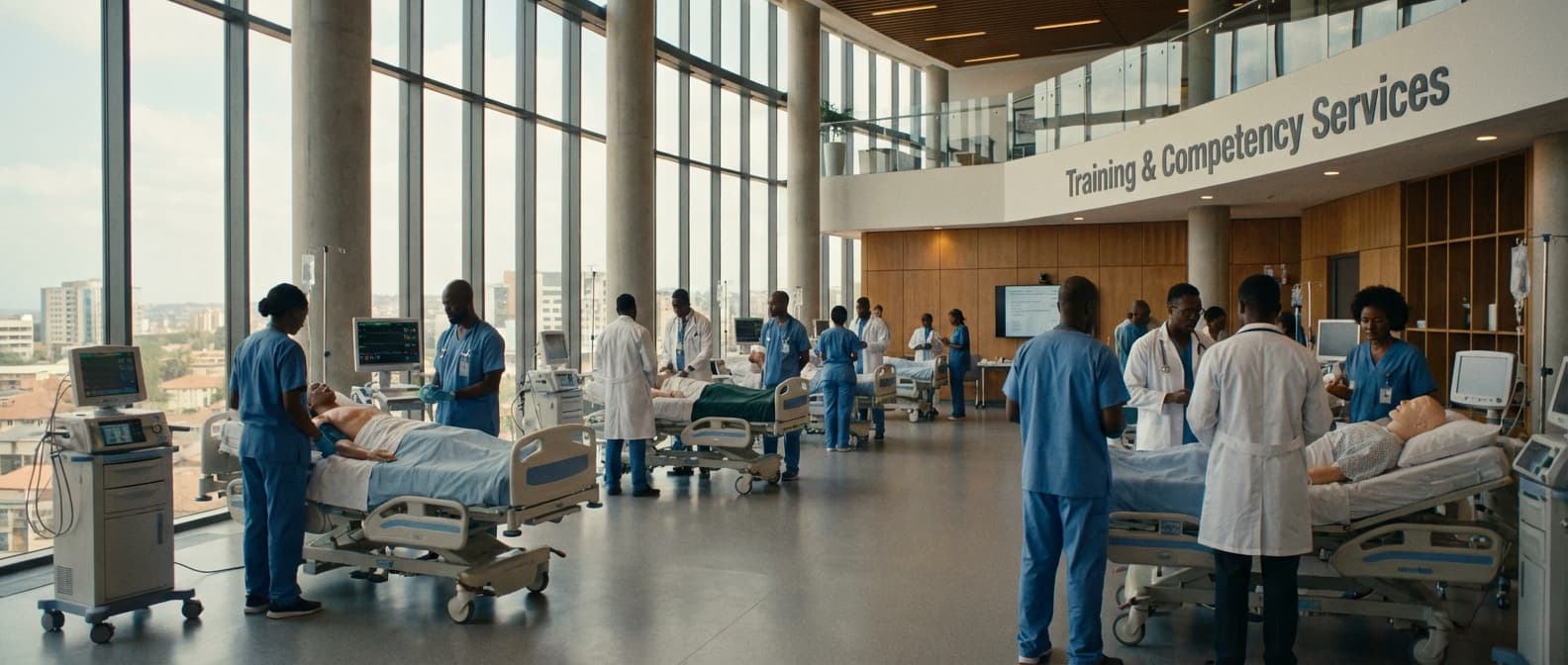
CT Operator Training Service (Radiographers) in Algeria
Engineering Excellence & Technical Support
CT Operator Training Service (Radiographers) High-standard technical execution following OEM protocols and local regulatory frameworks.
Advanced CT Image Optimization
Master techniques for precise kVp, mAs, and pitch adjustments to achieve superior image quality with minimized radiation dose, crucial for diagnostic accuracy in complex Algerian patient anatomies.
Pediatric CT Protocols & Safety
Gain expertise in specialized pediatric protocols, low-dose techniques, and age-appropriate immobilization strategies to ensure patient safety and optimal diagnostic outcomes for younger patients across Algeria.
Contrast Media Administration & Management
Develop in-depth knowledge of contrast agent properties, injection protocols, and adverse event management, tailored to Algerian healthcare settings, ensuring safe and effective contrast-enhanced CT examinations.
What Is Ct Operator Training Service (Radiographers) In Algeria?
CT Operator Training Service (Radiographers) in Algeria refers to specialized educational programs designed to equip radiographers with the necessary knowledge and practical skills to safely and effectively operate Computed Tomography (CT) scanners. This service is crucial for ensuring high-quality diagnostic imaging, patient safety, and compliance with regulatory standards within the Algerian healthcare system. The training encompasses theoretical understanding of CT principles, scanner operation, image acquisition protocols, radiation safety, quality control, and common troubleshooting procedures. It aims to develop proficient CT operators capable of producing optimal image data for radiologists' interpretation.
| Who Needs This Service? | Typical Use Cases | ||||
|---|---|---|---|---|---|
| Newly graduated radiographers seeking entry into CT practice. | Existing radiographers transitioning to CT specialization. | Radiographers requiring updates on new CT technologies and protocols. | Radiographers working in facilities acquiring new CT equipment. | Medical imaging departments seeking to enhance staff competency and standardization. | Healthcare institutions adhering to national accreditation and licensing requirements for CT services. |
| Acquisition of detailed cross-sectional anatomical images for diagnosis of various conditions (e.g., neurological, oncological, cardiovascular, trauma). | Performing CT angiography for vascular imaging. | Utilizing CT for interventional procedures (e.g., biopsies, drainages). | Implementing dose reduction techniques in pediatric CT scans. | Standardizing imaging protocols across different departments or institutions. | Ensuring compliance with radiation safety regulations and best practices. |
Key Components of CT Operator Training Service
- Theoretical foundation in CT physics and imaging principles.
- Hands-on operation of various CT scanner models.
- Development and application of patient positioning techniques.
- Understanding and implementation of imaging protocols for diverse anatomical regions and pathologies.
- Radiation protection principles and dose optimization strategies (ALARA).
- Image quality assessment and troubleshooting common artifacts.
- Contrast media administration protocols and patient management.
- Routine equipment maintenance and quality assurance procedures.
- Emergency preparedness and patient safety management.
- Data management and PACS (Picture Archiving and Communication System) integration.
Who Needs Ct Operator Training Service (Radiographers) In Algeria?
CT Operator Training Service (Radiographers) in Algeria is essential for various healthcare facilities and educational institutions that utilize or teach the operation of Computed Tomography (CT) scanners. The primary goal is to ensure radiographers are proficient in safely and effectively operating CT equipment, producing high-quality diagnostic images, and adhering to radiation safety protocols. This service benefits both new entrants to the field and experienced professionals seeking to update their skills or learn to operate new technologies.
| Target Customer Type | Specific Departments/Roles | Needs Addressed | Benefits of Training |
|---|---|---|---|
| Public Hospitals | Radiology Department (Radiographers, Technicians) | Standardization of CT operation, compliance with national guidelines, handling increased patient load, introduction of new CT technology. | Improved diagnostic accuracy, reduced radiation exposure, enhanced patient safety, efficient workflow, career advancement for staff. |
| Private Hospitals & Clinics | Radiology Department (Radiographers, Lead Technologists) | Maintaining high service standards, competitive edge through advanced imaging techniques, specialized CT applications (e.g., cardiac CT, interventional CT). | Enhanced patient satisfaction, ability to offer advanced diagnostic services, attract specialized medical professionals, optimize equipment utilization. |
| Diagnostic Imaging Centers | CT Technologists, Radiographers | Efficiency in high-volume scanning, expertise in various CT protocols, consistent image quality, customer service excellence. | Increased throughput, reduced scanning times, consistent diagnostic quality, strong referral base from physicians. |
| University Hospitals | Radiology Residents, Medical Students, Radiographers (for research) | Foundational and advanced CT principles, research-oriented CT applications, training for academic staff. | Developing future radiologists and radiographers, facilitating cutting-edge medical research, promoting academic excellence in radiology. |
| Medical Training Institutes | Students of Radiography, Instructors | Comprehensive curriculum development, hands-on CT simulator training, preparing students for certification exams. | Producing job-ready radiographers, meeting accreditation standards, equipping students with practical skills. |
| Oncology Centers | Radiographers working with CT simulators, treatment planning radiographers | Precise CT acquisition for radiation therapy planning, understanding anatomical landmarks for tumor localization, patient positioning techniques. | Accurate treatment delivery, improved patient outcomes in cancer therapy, minimizing damage to healthy tissues. |
| Research Institutions | Research Radiographers, Imaging Scientists | Advanced CT techniques for research imaging, quantitative imaging analysis, protocol optimization for specific studies. | Enabling novel research findings, contributing to medical advancements, developing new imaging biomarkers. |
Target Customers and Departments
- Hospitals (Public and Private)
- Diagnostic Imaging Centers
- University Hospitals
- Medical Training Institutes
- Radiology Departments
- Oncology Centers
- Emergency Departments
- Neurology Departments
- Cardiology Departments
- Research Institutions
Ct Operator Training Service (Radiographers) Process In Algeria
This document outlines the typical workflow for a CT Operator Training Service (Radiographers) in Algeria, from initial inquiry to the successful execution of the training program. The process is designed to ensure clarity, efficiency, and adherence to local regulations.
| Phase | Steps | Description | Key Stakeholders | Deliverables/Outcomes |
|---|---|---|---|---|
| Initial Contact | Client (e.g., hospital, imaging center) contacts the training provider with a request for CT operator training. | Client (HR, Radiology Dept. Manager), Training Provider (Sales/Business Development) | Understanding of client's training needs and objectives. |
| Needs Analysis Meeting | Detailed discussion to understand the number of radiographers, current skill levels, specific CT equipment used, desired learning outcomes, and any specific challenges. | Client (Radiographers, Supervisors), Training Provider (Technical Expert, Training Manager) | Detailed training needs analysis report. |
| Proposal Creation | Based on the needs analysis, the training provider develops a comprehensive proposal outlining the training program, methodology, duration, content, trainers, and proposed schedule. | Training Provider (Technical Expert, Training Manager, Finance) | Detailed training proposal. |
| Quotation Submission | A formal quotation is provided, detailing the costs associated with the training program. | Training Provider (Finance, Sales) | Formal quotation. |
| Proposal Review and Negotiation | Client reviews the proposal and quotation. Negotiations may occur regarding scope, cost, timelines, and terms. | Client (Procurement, Legal, Radiology), Training Provider (Legal, Management, Sales) | Agreed-upon terms and conditions. |
| Contract Signing | A formal training agreement is signed by both parties, legally binding the service. | Client (Authorized Signatory), Training Provider (Authorized Signatory) | Signed training contract. |
| Curriculum Tailoring | The standard training curriculum is adapted to incorporate the client's specific CT scanner models, protocols, and any unique institutional requirements. | Training Provider (Curriculum Developers, Technical Experts) | Customized training modules and materials. |
| Material Development | Development or adaptation of presentations, handouts, case studies, and practical exercises relevant to the Algerian context and client's equipment. | Training Provider (Content Creators, Technical Writers) | Training manuals, presentations, and practical guides. |
| Trainer Assignment | Experienced and qualified CT trainers are identified and assigned to the program. | Training Provider (Training Manager) | Assigned trainers. |
| Scheduling Training Dates | Mutually agreeable training dates are finalized, considering the client's operational needs and the availability of trainers and facilities. | Client (Radiology Department, HR), Training Provider (Training Coordinator) | Confirmed training schedule. |
| Venue and Equipment Arrangement | Ensuring the training venue (if on-site) is suitable and that the client's CT scanner is available and operational for practical sessions. If off-site, arranging access to a training CT scanner. | Client (IT, Biomedical Engineering, Radiology), Training Provider (Logistics Coordinator) | Ready training environment. |
| Participant Registration | The client provides a list of participants to be trained. | Client (HR, Radiology Dept.) | Participant roster. |
| Pre-Assessment (Optional) | A brief assessment may be conducted to gauge participants' baseline knowledge. | Training Provider | Pre-assessment results. |
| Communication to Participants | Informing participants about the training schedule, location, objectives, and any pre-reading materials. | Client (Internal Communication), Training Provider | Informed participants. |
| Theoretical Sessions | Lectures, presentations, and discussions covering CT physics, principles, safety, imaging techniques, and protocols. | Training Provider (Trainer) | Knowledge transfer. |
| Practical Demonstrations | Live demonstrations on the CT scanner by the trainer, showcasing optimal scan acquisition techniques and troubleshooting. | Training Provider (Trainer), Client (Participants) | Skill demonstration. |
| Hands-on Practice | Participants gain practical experience operating the CT scanner under the trainer's supervision, performing various scans. | Client (Participants), Training Provider (Trainer) | Acquisition of practical skills. |
| Image Review and Post-Processing | Training on image interpretation, artifact recognition, and basic post-processing techniques. | Training Provider (Trainer), Client (Participants) | Understanding of image quality and optimization. |
| Q&A and Case Studies | Dedicated time for questions, discussions, and analysis of relevant clinical cases. | Training Provider (Trainer), Client (Participants) | Problem-solving and application of knowledge. |
| Knowledge Assessment | Written or oral tests to evaluate theoretical understanding of CT principles and protocols. | Training Provider | Knowledge test results. |
| Practical Skills Assessment | Observation and evaluation of participants' ability to operate the CT scanner and acquire diagnostic images. | Training Provider (Trainer) | Skills assessment report. |
| Participant Feedback | Gathering feedback from participants on the training content, delivery, and trainers. | Client (Participants), Training Provider | Participant satisfaction survey. |
| Post-Training Report | A comprehensive report detailing the training conducted, assessment results, and any recommendations. | Training Provider | Training completion report. |
| Certificate Issuance | Upon successful completion of the training and assessments, certificates of attendance/competency are issued. | Training Provider | Training certificates. |
| Follow-up Consultation | Optional follow-up consultations or site visits to address any ongoing challenges or reinforce learning. | Training Provider (Technical Expert) | Ongoing support. |
| Refresher Courses/Advanced Training | Offering future opportunities for refresher courses or advanced CT training modules. | Training Provider | Future training opportunities. |
CT Operator Training Service (Radiographers) Process in Algeria
- Inquiry and Needs Assessment
- Proposal Development and Quotation
- Contract Negotiation and Agreement
- Training Program Customization
- Logistics and Scheduling
- Pre-Training Preparations
- Training Delivery
- Assessment and Evaluation
- Certification and Post-Training Support
Ct Operator Training Service (Radiographers) Cost In Algeria
The cost of CT Operator Training (Radiographers) in Algeria can vary significantly based on several factors. These include the training provider's reputation and accreditation, the duration and intensity of the course, the curriculum's depth (e.g., basic operation vs. advanced protocols, specific modalities), and whether the training includes practical hands-on experience with actual CT equipment. Geographic location within Algeria might also play a minor role, with major cities potentially having more competitive pricing. Furthermore, the inclusion of certification exams and materials, as well as any travel or accommodation costs for participants, will impact the overall expense. Typically, prices are quoted in Algerian Dinars (DZD).
| Training Type | Estimated Range (DZD) |
|---|---|
| Basic CT Operator Certification Course (e.g., 1-2 weeks) | 100,000 - 250,000 |
| Advanced CT Protocols and Applications Course (e.g., 3-5 days) | 150,000 - 300,000 |
| Comprehensive CT Radiographer Program (e.g., 1-2 months, including practical) | 300,000 - 700,000+ |
| On-site/Customized Corporate Training (per participant, variable) | Negotiable, typically higher per participant than open courses |
Key Pricing Factors for CT Operator Training in Algeria:
- Training Provider Accreditation and Reputation
- Course Duration and Intensity
- Curriculum Depth and Specialization
- Hands-on Practical Training Availability
- Inclusion of Certification Exams and Materials
- Location of Training Facility
- Additional Costs (Travel, Accommodation)
Affordable Ct Operator Training Service (Radiographers) Options
This document outlines affordable CT operator training services specifically tailored for radiographers. We understand the importance of continuous professional development in CT technology and aim to provide accessible, high-quality training solutions. We'll explore various value bundles and cost-saving strategies to make advanced CT training attainable for individuals and healthcare facilities. This includes understanding the core components of a comprehensive CT operator training program, the benefits of choosing bundled packages, and practical tips for maximizing your investment.
| Value Bundle Option | Included Services | Typical Cost Range (per trainee) | Cost-Saving Potential |
|---|---|---|---|
| Basic CT Fundamentals | Online theory modules, introductory protocol overview, basic safety guidelines. | $300 - $750 | Ideal for new radiographers or those transitioning to CT. Lowest entry cost. |
| Standard CT Operator Certification | Full online curriculum, simulated hands-on exercises, protocol development introduction, final assessment. | $700 - $1,500 | Balanced approach with comprehensive theory and simulated practice, offering a solid foundation. |
| Advanced CT Applications Bundle | Includes Standard CT Operator Certification plus specialized modules (e.g., cardiac CT, interventional CT, spectral imaging), advanced protocol optimization, and case study analysis. | $1,200 - $2,500 | For experienced radiographers seeking to expand their skill set and handle complex examinations. |
| Facility-Wide Training Package | Customizable blend of online and on-site training for multiple staff members, protocol standardization workshops, ongoing support, and reporting. | Customized pricing (volume discounts apply) | Significant per-trainee savings with group enrollment, ensures consistent skill levels across the department. |
| Hybrid Learning Model | Combines self-paced online modules with intensive on-site practical workshops or mentorship programs. | $800 - $1,800 | Offers flexibility of online learning with the benefits of in-person instruction, potentially reducing travel costs for on-site components. |
Key Components of Affordable CT Operator Training
- Comprehensive curriculum covering CT physics, anatomy, protocols, image acquisition, and patient safety.
- Hands-on practical sessions (simulated or real-time) with experienced instructors.
- Online learning modules for flexibility and self-paced study.
- Certification or continuing education credits upon successful completion.
- Access to updated training materials and industry best practices.
- Post-training support and resources.
- Customizable training pathways to meet specific departmental needs.
Verified Providers In Algeria
In Algeria's healthcare landscape, identifying trusted and competent medical service providers is paramount. Franance Health stands out as a beacon of quality, offering a comprehensive network of verified professionals and institutions. Their rigorous credentialing process ensures that every provider listed meets the highest standards of expertise, ethical practice, and patient care. Choosing a Franance Health-verified provider means opting for peace of mind, knowing you are receiving care from those who have been meticulously vetted and are committed to excellence. This commitment translates to better health outcomes, improved patient satisfaction, and a more reliable healthcare experience overall.
| Provider Type | Franance Health Verification Benefits | Key Indicators of Quality |
|---|---|---|
| Doctors (Specialists & General Practitioners) | Verified qualifications, licenses, and experience. Regular performance reviews. | Board certifications, years in practice, patient testimonials, peer reviews. |
| Hospitals & Clinics | Accreditation by recognized health bodies. Adherence to safety and quality protocols. State-of-the-art equipment. | JCI accreditation (if applicable), infection control rates, patient-to-staff ratios, range of services offered. |
| Diagnostic Centers (Labs & Imaging) | Certified technologists and radiologists. Use of advanced and calibrated equipment. Accurate and timely results. | Accreditation of laboratories, type of imaging technology, turnaround time for results, error rates. |
| Specialized Medical Services (e.g., Dentistry, Physiotherapy) | Professionals with specialized training and certifications. Focus on patient-centric care. | Specific professional licenses, advanced training certifications, patient feedback on treatment effectiveness. |
Why Franance Health Credentials Matter:
- Rigorous vetting process for medical professionals and facilities.
- Ensures adherence to the highest ethical and professional standards.
- Promotes access to competent and reliable healthcare services.
- Enhances patient trust and confidence in the healthcare system.
- Contributes to improved health outcomes and patient satisfaction.
Scope Of Work For Ct Operator Training Service (Radiographers)
This Scope of Work (SOW) outlines the requirements for providing comprehensive CT Operator Training Services for Radiographers. The objective is to equip radiographers with the necessary theoretical knowledge and practical skills to safely and effectively operate CT scanners, optimize image quality, and adhere to radiation safety protocols. The training will cover fundamental CT principles, advanced imaging techniques, patient care, quality assurance, and emergency procedures. Standard specifications for technical deliverables are detailed below.
| Deliverable | Description | Standard Specification | Format/Medium | Quantity | Timeline |
|---|---|---|---|---|---|
| Training Curriculum Manual | Comprehensive document detailing all training modules, learning objectives, content outline, and assessment methods. | Professionally printed and bound or high-resolution PDF. Content must be up-to-date with current CT technology and best practices. | Printed/PDF | 1 per participant + 1 master copy | Week 1 of Training |
| Presentation Slides | Visual aids for all lectures and presentations, supporting the curriculum manual. | High-quality, visually engaging slides in PowerPoint or PDF format. Includes images, diagrams, and key takeaways. | PowerPoint/PDF | 1 set per module | During Training Delivery |
| Practical Training Sessions | Hands-on experience operating CT scanners under direct supervision. | Minimum of X hours per participant on functional CT scanner(s). Sessions must cover patient positioning, protocol selection, image acquisition, and basic troubleshooting. | Live/Simulated (as applicable) | X hours per participant | Weeks 2-4 of Training |
| Assessment Tools | Written examinations, practical skills assessments, and case study evaluations to measure learning. | Multiple-choice, short-answer, and practical checklists. Assessments must align with learning objectives and be graded objectively. | Paper-based/Digital | 1 set per participant | End of Modules/End of Training |
| Training Completion Certificates | Formal documentation certifying successful completion of the CT Operator Training Program. | Professionally designed certificates, including participant name, course title, dates, and provider signature. Meets relevant accreditation standards if applicable. | Printed/Digital PDF | 1 per participant | End of Training |
| Post-Training Support Materials | Reference guides, cheat sheets, or online resources for ongoing learning and quick reference. | Concise, easy-to-understand materials covering key protocols, troubleshooting tips, and radiation safety reminders. | PDF/Online Portal | 1 set per participant | End of Training |
| Trainer Qualifications Report | Documentation verifying the expertise and credentials of the training instructors. | CVs, certifications, and relevant experience summaries for all trainers. Demonstrates subject matter expertise. | 1 report | Prior to Training Commencement | |
| Training Feedback Forms | Forms for participants to provide feedback on the training content, delivery, and instructors. | Structured questionnaires covering all aspects of the training. Anonymous submission encouraged. | Paper-based/Digital | 1 per participant | End of Training |
Key Training Modules and Topics
- CT Physics and Principles
- CT Scanner Anatomy and Operation
- Image Acquisition and Reconstruction
- Contrast Media Administration and Safety
- Radiation Protection and Safety
- Patient Positioning and Immobilization
- Common CT Protocols and Applications
- Image Post-Processing and Manipulation
- Quality Assurance and Quality Control
- Troubleshooting and Maintenance Basics
- Ethical Considerations and Professionalism
- Emergency Procedures and Patient Management
Service Level Agreement For Ct Operator Training Service (Radiographers)
This Service Level Agreement (SLA) outlines the performance standards and guarantees for the CT Operator Training Service (Radiographers) provided by [Your Company Name]. It defines the expected response times for support requests and the guaranteed uptime of the training platform and associated resources.
| Service Component | Uptime Guarantee | Response Time (Support Request) | Resolution Time (Critical Issues) | Resolution Time (Non-Critical Issues) |
|---|---|---|---|---|
| CT Training Platform (Web Portal) | 99.5% | 1 Business Hour | 4 Business Hours | 1 Business Day |
| Learning Modules & Content Access | 99.5% | 1 Business Hour | 4 Business Hours | 1 Business Day |
| Simulation Environment Access | 99.0% | 2 Business Hours | 6 Business Hours | 2 Business Days |
| Technical Support (Email/Ticketing System) | N/A (Guaranteed Availability) | 1 Business Hour | 4 Business Hours | 1 Business Day |
| Expert Instructor Support (Q&A) | N/A (Guaranteed Availability) | 4 Business Hours | 1 Business Day | 3 Business Days |
Definitions
- CT Operator Training Service: The digital platform, associated learning materials, simulations, and expert support provided for radiographers to gain proficiency in CT operation.
- Uptime: The percentage of time the CT Operator Training Service is available and fully functional, excluding scheduled maintenance.
- Downtime: Any period where the CT Operator Training Service is unavailable or not fully functional, excluding scheduled maintenance.
- Response Time: The maximum time allowed to acknowledge and begin addressing a reported issue or request.
- Resolution Time: The maximum time allowed to resolve a reported issue or fulfill a request.
- Scheduled Maintenance: Pre-announced periods during which the service may be temporarily unavailable for necessary updates, upgrades, or maintenance. Notification will be provided at least [Number] days in advance.
Frequently Asked Questions

Ready when you are
Let's scope your CT Operator Training Service (Radiographers) in Algeria project in Algeria.

Scaling healthcare logistics and technical systems across the entire continent.