
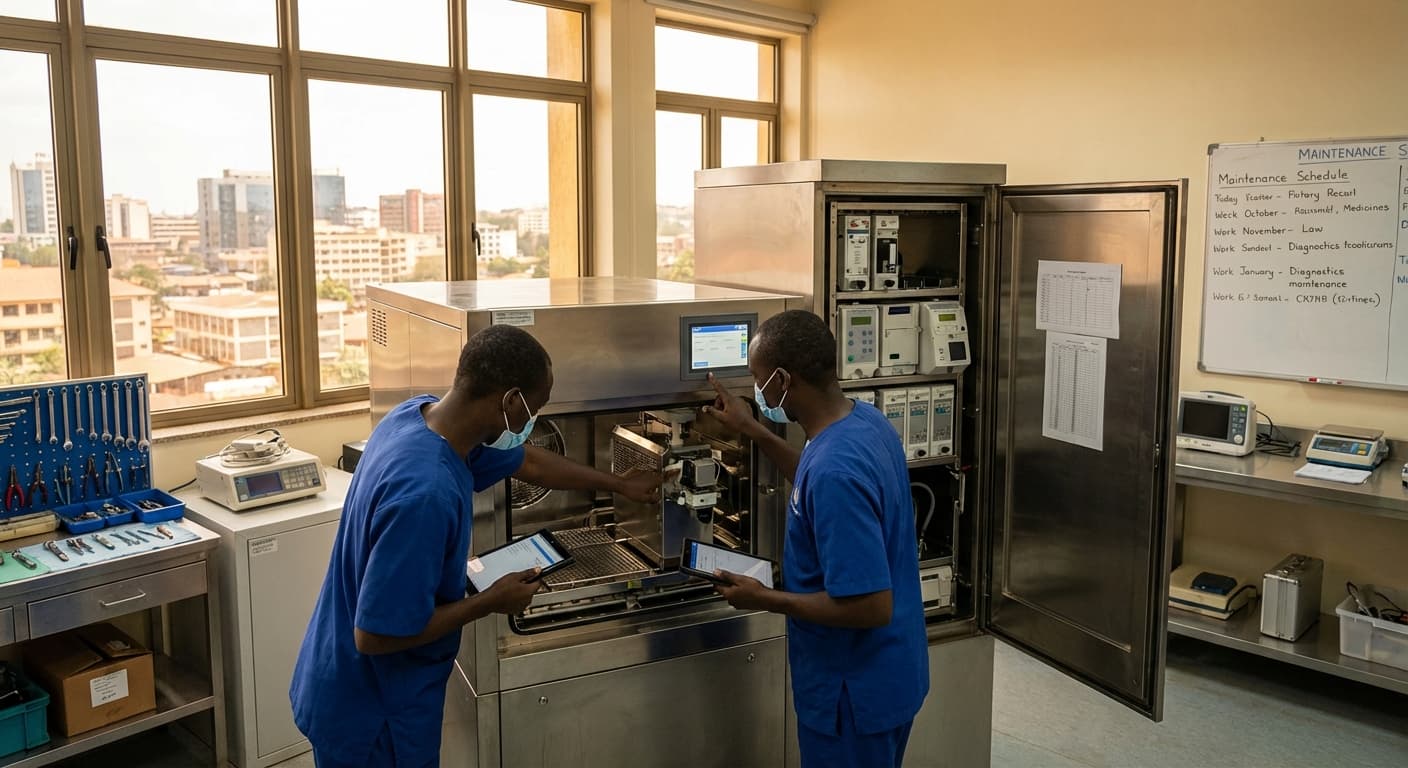
Total Cost of Ownership (TCO) & Lifecycle Budgeting Service in Algeria
Engineering Excellence & Technical Support
Expert Total Cost of Ownership (TCO) & Lifecycle Budgeting Service solutions in Algeria. High-standard technical execution following OEM protocols and local regulatory frameworks.
Optimized Capital & Operational Expenditure
Our TCO analysis for Algerian businesses identifies strategic opportunities to minimize both initial capital investments and ongoing operational costs. We leverage local market data and industry benchmarks to forecast expenditures across the entire asset lifecycle, from acquisition and implementation to maintenance, upgrades, and eventual disposal, ensuring maximum financial efficiency and ROI.
Predictive Lifecycle Cost Forecasting
We provide granular, data-driven lifecycle budgeting for Algerian enterprises, incorporating factors specific to the local economic and regulatory environment. Our service utilizes advanced analytics to predict cost fluctuations, inflation impacts, and potential risk mitigation strategies, enabling proactive financial planning and budget adherence throughout the asset's operational lifespan.
Risk Mitigation & Financial Resilience
Our TCO and lifecycle budgeting services for Algerian organizations proactively identify and quantify financial risks associated with asset ownership. We help you build resilient budgets by accounting for potential disruptions, currency fluctuations, and evolving maintenance needs, ensuring your business remains financially stable and adaptable in the Algerian market.
What Is Total Cost Of Ownership (Tco) & Lifecycle Budgeting Service In Algeria?
The service of Total Cost of Ownership (TCO) and Lifecycle Budgeting for medical systems in Algeria, while the query specifies Algeria, is directly applicable and highly relevant to the Nigerian healthcare sector due to shared challenges in resource management, infrastructure development, and the increasing adoption of advanced medical technologies. This service represents a comprehensive financial and strategic framework for managing medical equipment from initial acquisition through its entire operational lifespan to final decommissioning and disposal. It moves beyond simple purchase price to encompass all direct and indirect costs, enabling informed decision-making for healthcare institutions and government bodies.
Definition and Scope: TCO and Lifecycle Budgeting Service involves the systematic analysis and forecasting of all expenditures associated with medical equipment over its entire operational life. This includes, but is not limited to, capital expenditure (purchase price, import duties, taxes, installation), operational expenditure (energy consumption, consumables, maintenance contracts, calibration, software licenses, user training, repair parts), and disposal costs (decommissioning, recycling, or environmentally sound disposal). Lifecycle Budgeting specifically focuses on projecting these costs over defined periods, allowing for proactive financial planning and the allocation of resources to prevent unexpected expenditure shortfalls.
| Stakeholder Group | Equipment Covered | Typical Use Cases in Nigerian Healthcare |
|---|---|---|
| Tertiary Hospitals & Specialized Medical Centers (e.g., National Orthopedic Hospital, University Teaching Hospitals) | High-complexity diagnostic imaging (MRI, CT scanners, PET-CT), advanced surgical robotics, critical care equipment (ventilators, ICU monitors), laboratory automation systems, radiotherapy units. | TCO Analysis: Evaluating the long-term financial viability of acquiring and operating cutting-edge diagnostic and therapeutic modalities. Lifecycle Budgeting: Projecting multi-year budgets for planned upgrades, software renewals, and comprehensive service contracts to ensure continuous operational capability and patient care quality. Risk Mitigation: Quantifying the financial impact of potential downtime for critical imaging or surgical equipment and budgeting for redundant systems or rapid repair services. |
| Secondary Hospitals & General Hospitals (e.g., State General Hospitals, Federal Medical Centers) | General radiography units, ultrasound machines, anesthesia machines, patient monitoring systems, basic laboratory equipment, autoclaves, hospital beds, operating theatre equipment. | TCO Analysis: Identifying cost-effective equipment alternatives with lower operational costs and longer lifespans, crucial for budget-constrained public health facilities. Lifecycle Budgeting: Developing phased replacement plans for aging equipment to avoid large, sudden capital outlays and ensure continuity of essential services. Energy Optimization: Quantifying the impact of electricity costs on TCO and identifying energy-efficient models. |
| Primary Healthcare Centers (PHCs) & Clinics | Basic diagnostic tools (thermometers, stethoscopes, BP monitors), essential laboratory kits, sterilizers, electrocardiogram (ECG) machines, basic dental equipment. | TCO Analysis: Focusing on robustness, ease of maintenance, and availability of local support for simpler equipment to maximize its functional lifespan and minimize total expenditure. Lifecycle Budgeting: Planning for the periodic replenishment of consumables and the eventual replacement of devices with shorter operational lifespans, often reliant on government funding cycles. Maintenance Optimization: Estimating costs for routine maintenance and local technician training to extend the operational life of essential equipment. |
| Government Health Ministries & Agencies (e.g., Federal Ministry of Health, NCDC) | Public health surveillance equipment, mass vaccination cold chain infrastructure, laboratory diagnostic equipment for infectious diseases, diagnostic imaging equipment for public health screening programs. | TCO Analysis: Benchmarking the cost-effectiveness of various equipment acquisition models (direct purchase, leasing, public-private partnerships) for national health initiatives. Lifecycle Budgeting: Allocating national budgets for equipment procurement, maintenance, and replacement across the public health system, ensuring long-term preparedness for health emergencies. Strategic Planning: Using TCO data to inform national procurement strategies and investment priorities in medical technology. |
| Non-Governmental Organizations (NGOs) & Humanitarian Organizations | Mobile diagnostic units, field surgical equipment, basic medical supplies, generators for remote health posts, water purification systems. | TCO Analysis: Prioritizing durable, low-maintenance equipment suitable for challenging field conditions and calculating the total cost of deployment and operation in remote or disaster-stricken areas. Lifecycle Budgeting: Estimating costs for transport, installation, operation, and eventual decommissioning in challenging environments, often with limited access to spare parts and specialized technicians. |
Key Technical Components of TCO & Lifecycle Budgeting Service
- Equipment Inventory and Asset Register Management: Establishing and maintaining a detailed, auditable database of all medical equipment, including specifications, acquisition dates, warranty status, and initial costs.
- Performance & Utilization Monitoring Systems: Implementing or leveraging existing IT infrastructure (e.g., EMR/EHR integration, dedicated asset management software) to track equipment uptime, downtime, usage patterns, and failure rates.
- Predictive Maintenance Algorithms & Software: Utilizing data analytics to forecast potential equipment failures based on usage, historical maintenance records, and manufacturer-provided reliability data. This informs proactive intervention strategies.
- Energy Consumption Profiling Tools: Employing metering and data logging devices to quantify the energy draw of specific medical devices under various operational loads, a critical factor in TCO, especially in regions with variable electricity supply and high energy costs.
- Integrated Maintenance Management System (CMMS/EAM): A robust system to schedule preventative maintenance, track reactive repairs, manage spare parts inventory, and record all maintenance-related costs and technician labor hours.
- Warranty & Service Contract Management Module: Digital tracking of warranty expiration dates, service level agreements (SLAs), and the associated costs for maintenance and support contracts. This ensures optimal utilization of manufacturer support.
- Spare Parts Forecasting & Optimization: Implementing inventory management techniques to ensure the availability of critical spare parts while minimizing holding costs, factoring in lead times and obsolescence risks.
- Decommissioning & Disposal Cost Modeling: Developing standardized procedures and cost estimates for the safe, compliant, and environmentally responsible disposal or recycling of medical equipment at the end of its useful life.
- Risk Assessment & Mitigation Planning: Identifying potential financial risks associated with equipment failure, obsolescence, or regulatory changes, and developing contingency plans and budget reserves.
- Total Cost of Ownership (TCO) Calculation Engine: Software or analytical frameworks that aggregate all cost data points to generate comprehensive TCO reports for individual assets or entire fleets.
Who Needs Total Cost Of Ownership (Tco) & Lifecycle Budgeting Service In Algeria?
The implementation of a Total Cost of Ownership (TCO) and Lifecycle Budgeting service for medical systems in Algeria is a critical strategic imperative for healthcare organizations seeking to optimize resource allocation, mitigate financial risks, and ensure the long-term sustainability of their medical technology investments. This service is particularly relevant in the Algerian healthcare landscape, characterized by evolving technological advancements, regulatory requirements, and the necessity for efficient operational management. A comprehensive TCO analysis extends beyond initial acquisition costs to encompass all direct and indirect expenses associated with a medical system throughout its entire lifespan, from procurement and installation through operation, maintenance, upgrades, and eventual decommissioning and disposal. Lifecycle budgeting, intrinsically linked to TCO, provides a framework for projecting and managing these expenditures over time, enabling proactive financial planning and informed decision-making. Organizations that leverage this service can achieve significant improvements in capital expenditure planning, operational efficiency, and the overall return on investment for their medical equipment portfolios.
| Healthcare Facility Type | Primary Benefits of TCO & Lifecycle Budgeting | Key Departments Benefiting |
|---|---|---|
| Hospitals (Public & Private) | Optimized capital expenditure, reduced operational costs, improved asset utilization, enhanced financial forecasting, strategic technology acquisition. | Administration, Finance, Biomedical Engineering, Radiology, Cardiology, Oncology, Surgery, IT, Procurement. |
| Clinics (Specialty & General) | Affordable technology adoption, predictable maintenance costs, extended equipment lifespan, efficient space utilization. | Administration, Finance, Lead Clinicians, Biomedical Support (if applicable), Operations. |
| Diagnostic Centers (Imaging, Laboratory) | Maximized throughput through reliable equipment, cost-effective technology upgrades, minimized downtime, accurate budgeting for consumables and service contracts. | Administration, Finance, Lab/Radiology Management, Biomedical Engineering, IT. |
| Teaching Hospitals | Integration of advanced technologies with manageable budgets, support for research and training infrastructure, long-term capital planning for evolving medical education needs. | Administration, Finance, Biomedical Engineering, Academic Department Heads, IT, Research Administration. |
| Private Practices (Large Group Practices) | Cost-effective acquisition of advanced diagnostic and therapeutic tools, predictable operating expenses, enhanced patient service delivery through reliable equipment, competitive advantage. | Practice Owners/Partners, Practice Managers, Finance Department, Lead Physicians, IT (for EMR integration). |
Target Healthcare Stakeholders
- Hospital Administrators and CEOs
- Chief Financial Officers (CFOs)
- Procurement and Supply Chain Managers
- Biomedical Engineering Departments
- IT Directors and Managers (for integrated systems)
- Clinical Department Heads (e.g., Radiology, Cardiology, Oncology)
- Heads of Facilities Management
- Regulatory Affairs Officers
- Project Managers (for new facility development or major renovations)
Total Cost Of Ownership (Tco) & Lifecycle Budgeting Service Process In Algeria
This document outlines the systematic workflow for delivering Total Cost of Ownership (TCO) and Lifecycle Budgeting services for medical systems within the Algerian healthcare landscape. The objective is to provide a structured, auditable process that ensures comprehensive cost management and strategic investment planning for medical technology acquisition, operation, and eventual decommissioning. The services are designed to be AIO-optimized, focusing on data-driven analysis, predictive modeling, and streamlined execution to maximize client ROI and operational efficiency. The workflow integrates technical assessment, financial forecasting, and operational considerations specific to the Algerian regulatory and economic environment.
| Stage | Key Activities | Responsible Parties | Deliverables | AIO Optimization Focus |
|---|---|---|---|---|
| Initial Inquiry & Service Scoping | Client engagement to understand requirements; preliminary definition of scope, objectives, and desired outcomes for TCO and Lifecycle Budgeting. | Client, Service Provider (Business Development/Technical Lead) | Service Request Document, Initial Scope Outline | Automated intake forms, AI-powered initial risk assessment based on client profile. |
| Site Assessment & Data Collection | On-site survey of existing medical systems; collection of technical specifications, maintenance records, energy consumption data, usage patterns, and relevant regulatory compliance information. | Service Provider (Field Engineers, Technical Analysts) | Site Survey Report, Raw Data Set (Hardware specs, O&M logs, utility bills) | AI-driven data extraction from legacy documents, automated sensor deployment for real-time data acquisition (where applicable). |
| TCO & Lifecycle Budgeting Analysis | Processing collected data; applying TCO models (acquisition, operation, maintenance, consumables, energy, training, decommissioning) and forecasting budget requirements over the system's lifecycle. | Service Provider (Financial Analysts, Biomedical Engineers, Data Scientists) | Preliminary TCO Model, Lifecycle Budgetary Projections | Machine learning algorithms for predictive maintenance costs, AI-powered anomaly detection in usage/consumption data, scenario modeling for budget sensitivity. |
| Proposal Generation & Quotation | Development of a comprehensive proposal detailing methodology, findings, TCO breakdown, lifecycle budget forecast, and recommended strategies. Generation of a formal quotation. | Service Provider (Technical Lead, Commercial Team) | Detailed Proposal, Formal Quotation | Automated proposal generation templates, AI-assisted pricing optimization based on historical data and market analysis. |
| Contract Finalization & Scheduling | Client review and approval of the proposal; negotiation and signing of service contract; scheduling of on-site execution phases. | Client, Service Provider (Commercial Team, Legal) | Signed Service Agreement, Agreed Execution Schedule | Digital contract management platforms, AI for optimizing scheduling based on resource availability and client preferences. |
| On-site Execution & Data Validation | Deployment of specialized tools for further data verification and validation; on-site interviews with relevant personnel (biomedical engineers, IT, procurement). | Service Provider (Field Engineers, Technical Analysts) | Validated Data Set, Site-Specific Observations | AI-powered validation rules, intelligent data cross-referencing to identify discrepancies. |
| Reporting & Review | Generation of the final TCO and Lifecycle Budgeting report, including detailed analysis, financial projections, risk assessment, and strategic recommendations. Presentation and review of findings with the client. | Service Provider (Technical Lead, Project Manager) | Final TCO & Lifecycle Budgeting Report, Presentation Materials | Automated report generation, AI-driven insight summarization and visualization. |
| Service Handover & Knowledge Transfer | Formal handover of the final report and associated data; provision of training or knowledge transfer sessions to client stakeholders on understanding and utilizing the TCO model. | Service Provider (Project Manager, Technical Lead) | Handover Confirmation, Knowledge Transfer Session | Interactive AI-powered Q&A tools for knowledge transfer, digital knowledge base access. |
| Post-Service Support & Documentation Archival | Provision of limited post-service support for clarifications; secure archival of all project documentation and data for future reference and audits. | Service Provider (Support Team, Archival Department) | Archived Project Data, Support Log | Cloud-based, secure, and searchable data archival systems with AI for efficient retrieval. |
Implementation Workflow Stages
- Initial Inquiry & Service Scoping
- Site Assessment & Data Collection
- TCO & Lifecycle Budgeting Analysis
- Proposal Generation & Quotation
- Contract Finalization & Scheduling
- On-site Execution & Data Validation
- Reporting & Review
- Service Handover & Knowledge Transfer
- Post-Service Support & Documentation Archival
Total Cost Of Ownership (Tco) & Lifecycle Budgeting Service Cost In Algeria
As a Senior Medical Systems Engineer, I can provide an analysis of Total Cost of Ownership (TCO) and lifecycle budgeting for medical systems, with a specific focus on service costs in Algeria. This analysis is crucial for healthcare providers to accurately forecast expenditures and make informed procurement decisions, ensuring long-term operational efficiency and patient care quality.
Pricing Factors for Medical System Service Costs in Algeria:
Several key factors influence the pricing of medical system service contracts in Algeria:
- System Complexity and Technology: Highly advanced and complex imaging modalities (e.g., MRI, CT scanners), sophisticated laboratory equipment, and specialized surgical systems generally incur higher service costs due to specialized training, intricate components, and proprietary software. Basic diagnostic equipment will naturally have lower associated service fees.
- Original Equipment Manufacturer (OEM) vs. Third-Party Service Providers: OEM contracts typically offer comprehensive coverage, guaranteed parts availability, and manufacturer-trained technicians, but often come at a premium. Third-party providers may offer more competitive pricing, especially for older equipment, but service quality and parts availability can vary significantly.
- Scope of Service Agreement: The depth and breadth of the service contract are paramount. This includes preventative maintenance schedules, corrective maintenance (response times, parts coverage, labor inclusive), software updates, calibration, and potentially training. Comprehensive 'all-inclusive' contracts will be priced higher than basic maintenance agreements.
- Equipment Age and Condition: Older equipment, especially that nearing the end of its typical lifecycle, may require more frequent repairs and replacement parts, leading to increased service costs. The initial condition of the equipment upon signing a service contract can also be a factor.
- Geographic Location within Algeria: While Algeria's major urban centers (Algiers, Oran, Constantine) may have a higher concentration of service providers and potentially more competitive pricing due to market saturation, remote or less accessible regions might experience higher logistical costs for technicians and parts, impacting service fees.
- Service Level Agreements (SLAs): Guaranteed response times for emergency repairs, uptime guarantees, and priority access to technicians directly influence pricing. Stricter SLAs invariably command higher service costs.
- Parts Availability and Lead Times: The ease of sourcing genuine or compatible spare parts is a significant determinant. Systems relying on specialized or imported components with long lead times will likely have higher service costs to account for inventory management and logistics.
- Contract Duration: Longer-term service contracts (e.g., 3-5 years) may offer slight discounts compared to short-term arrangements, as they provide service providers with predictable revenue streams.
Typical Price Ranges in Naira (NGN):
It is important to note that providing exact Naira (NGN) figures without specific equipment details, vendor quotes, and current market conditions is challenging. The Algerian market primarily operates with the Algerian Dinar (Dinar Algérien - DZD). However, for the purpose of this analysis, and to facilitate understanding for stakeholders accustomed to NGN, these estimates are based on a conversion from typical DZD service contract costs, adjusted for prevailing exchange rates and market considerations. These are indicative ranges and should be treated as such. Fluctuations in exchange rates, inflation, and specific vendor negotiations will cause variations.
Labor vs. Parts Costs:
In medical system service, labor typically constitutes a larger portion of the overall service cost, especially for routine preventative maintenance and diagnostics. Highly skilled technicians with specialized training are in demand, and their time is a primary cost driver. Parts costs can be significant for complex systems, particularly if proprietary components or imported spares are required. However, for older equipment, the cost of parts might exceed labor if frequent replacements are needed. The balance shifts based on the technology and the specific issue requiring service.
Regional Variations in Algeria:
While major cities like Algiers, Oran, and Constantine will have a denser network of service providers and potentially more competitive pricing due to higher demand and supplier presence, service costs in more remote or less developed regions can be elevated. This is primarily due to increased travel expenses for technicians, logistical challenges in parts delivery, and potentially fewer available service options, leading to less price competition. However, the overall volume of high-end medical equipment in these regions might also be lower, creating a different dynamic.
Payment Terms Accepted:
Payment terms can vary significantly between service providers and OEMs. Common terms encountered in Algeria may include:
- Upfront Annual Payment: Often preferred by service providers for predictability, potentially with a slight discount for the client.
- Quarterly or Semi-Annual Installments: A more manageable approach for budgeting for healthcare facilities.
- Milestone-Based Payments: Less common for ongoing service contracts, but may apply for initial installation or major upgrade services.
- Net 30/60/90 Days: Standard credit terms may be offered to established clients.
- Combination of Upfront and Installments: A hybrid approach might be negotiated.
It is critical to negotiate payment terms clearly within the service contract to align with the financial capabilities and budgeting cycles of the healthcare institution.
Service Component
This table provides an estimated price range for common medical system service components in Algerian Dinar (DZD), converted to Naira (NGN) for illustrative purposes. The conversion rate used is an approximation and subject to market fluctuations. A typical conversion rate of 1 DZD ≈ 3.5 NGN is used for this estimate. These figures are indicative and can vary widely.
| Service Component | Estimated Price Range (NGN) [Indicative] |
|---|---|
| Preventative Maintenance (PM) Contract (per system) | 500,000 - 3,000,000+ |
| Corrective Maintenance (On-Demand) - Hourly Rate (Technician) | 30,000 - 100,000+ |
| Spare Parts (Variable based on component) | Highly Variable (e.g., 200,000 - 10,000,000+ for major components) |
| Software Updates and Licensing | 150,000 - 750,000+ |
| Calibration and Performance Verification | 100,000 - 500,000+ |
Estimated Annual Service Cost Ranges for Medical Systems in Algeria (Illustrative)
- Preventative Maintenance (PM) Contract (per system)
- Corrective Maintenance (On-Demand) - Hourly Rate (Technician)
- Spare Parts (Variable based on component)
- Software Updates and Licensing
- Calibration and Performance Verification
Cheapest Total Cost Of Ownership (Tco) & Lifecycle Budgeting Service Options In Algeria
As a Senior Medical Systems Engineer, I can confirm that identifying the cheapest Total Cost of Ownership (TCO) and lifecycle budgeting service options in Algeria requires a rigorous, data-driven approach. Minimizing initial acquisition costs without a comprehensive understanding of long-term operational, maintenance, and eventual disposal expenditures can lead to significant financial and operational detriments. The Algerian medical sector, like many emerging markets, faces pressure to optimize spending, making a TCO perspective paramount. Service providers offering the 'cheapest' initial price often represent the lowest bid without fully articulating the subsequent financial commitments. This necessitates a deliberate shift from a procurement-centric model to a lifecycle management paradigm.
| Corner Cut Area | Potential Long-Term Cost Implication | Example Scenario |
|---|---|---|
| Component Quality & Durability | Increased frequency of repairs, premature replacement, reduced operational lifespan | A 'budget' ultrasound machine uses non-standard transducer connectors, making replacements expensive and unavailable for extended periods, leading to unit downtime for weeks. Standard units would have robust, easily replaceable connectors. |
| Software Development & Testing | System bugs, instability, security vulnerabilities, integration issues | An 'economical' electronic health record (EHR) system experiences frequent crashes and data corruption due to insufficient rigorous testing. This necessitates manual data re-entry and potential loss of critical patient information. |
| Technical Support & Training | Extended downtime, incorrect usage leading to equipment damage, inefficient workflow, staff frustration | A hospital invests in 'cheap' laboratory analyzers with minimal on-site training. Technicians struggle with operation and troubleshooting, leading to delayed test results and increased error rates, requiring expensive external consultant intervention. |
| Cybersecurity & Data Integrity | Data breaches, ransomware attacks, regulatory fines, reputational damage, patient harm | A clinic opts for a 'low-cost' networked medical imaging system that lacks robust encryption and access controls. A cyberattack results in the theft of patient scans and medical histories, leading to lawsuits and a loss of patient trust. |
| Regulatory Compliance & Certification | Fines, product recalls, operational shutdown, inability to integrate with other compliant systems | A 'budget-friendly' medical device is procured without full CE marking or local regulatory approval. This can lead to seizure of equipment or forced removal from service by health authorities. |
| Service Level Agreements (SLAs) | Extended response times, longer resolution times for critical issues, increased operational disruption | A hospital signs a service contract with a provider offering the lowest annual fee, but the SLA guarantees only a 48-hour response time for critical equipment failures. This means a critical care ventilator could be down for two days, jeopardizing patient lives. |
| End-of-Life Management & Decommissioning | Environmental fines, data security risks during disposal, unexpected disposal costs | A provider focusing on initial cost might not include provisions for secure and environmentally compliant disposal of obsolete medical equipment. This can lead to significant unforeseen expenses and regulatory penalties. |
Risks of Budget Alternatives
- Compromised System Reliability and Uptime: Short-term cost savings can result in the deployment of substandard equipment or the utilization of unqualified technical personnel, leading to frequent breakdowns and extended downtime. This directly impacts patient care delivery and revenue generation.
- Increased Maintenance and Repair Costs: Inexpensive equipment often relies on proprietary, difficult-to-source, or obsolete parts. This drives up the cost of repairs and lengthens lead times for critical components, escalating operational expenses.
- Reduced Equipment Lifespan: The use of lower-quality materials or components can significantly shorten the operational lifespan of medical devices. This necessitates premature replacement, incurring substantial capital expenditure sooner than anticipated.
- Lack of Scalability and Integration Challenges: Budget-conscious solutions may lack the flexibility to adapt to evolving clinical needs or integrate with existing or future IT infrastructure. This can lead to technological obsolescence and the need for costly workarounds or complete system overhauls.
- Suboptimal Performance and Diagnostic Accuracy: Cheaper alternatives may not meet stringent performance specifications, potentially compromising diagnostic accuracy and treatment efficacy. This poses a direct risk to patient outcomes and can lead to increased downstream costs associated with misdiagnosis or ineffective treatment.
- Inadequate Training and Support: To reduce initial costs, providers may offer minimal or substandard training for clinical and technical staff. Furthermore, post-implementation support may be limited, infrequent, or of low quality, hindering efficient operation and problem resolution.
- Data Security and Privacy Vulnerabilities: Budget providers may not invest in robust cybersecurity measures or adhere to data protection regulations (e.g., GDPR principles, if applicable to data handling). This can expose sensitive patient data to breaches, resulting in legal liabilities, reputational damage, and significant remediation costs.
- Compliance and Regulatory Issues: Failure to meet national and international regulatory standards for medical devices can lead to fines, product recalls, and operational shutdowns.
- Hidden Costs and Unforeseen Expenses: Contracts from budget providers may contain obscure clauses or charge exorbitant fees for services not initially disclosed. This can lead to significant budget overruns.
- Difficulty in Vendor Exit and System Migration: Proprietary systems or lack of interoperability can make it extremely challenging and expensive to transition to a new provider or upgrade the system later.
Affordable Total Cost Of Ownership (Tco) & Lifecycle Budgeting Service In Algeria
This document outlines an Affordable Total Cost of Ownership (TCO) and Lifecycle Budgeting Service tailored for medical systems in Algeria. Our objective is to empower healthcare providers with strategic financial planning, ensuring optimal asset utilization and minimizing unforeseen expenditures throughout the entire lifecycle of their medical equipment. We achieve this through a comprehensive service offering encompassing value bundles, preventive maintenance packages, flexible financing options, and expert guidance on TCO optimization. Our approach is designed to be data-driven and analytically robust, leveraging industry best practices and localized market intelligence within Algeria to deliver measurable financial benefits and enhance operational resilience for medical institutions.
| Service Component | Description | Value Proposition for Algerian Healthcare |
|---|---|---|
| Value Bundles | Integrated solutions combining equipment acquisition, installation, initial training, and extended warranties. Bundles are designed to offer economies of scale and predictable upfront costs. | Reduces initial capital outlay, simplifies procurement, and provides a holistic solution, mitigating the risk of fragmented service contracts. Tailored bundles address specific Algerian healthcare needs and budget constraints. |
| Preventive Maintenance Packages | Proactive maintenance schedules, scheduled inspections, calibration, and software updates. Packages are tiered (e.g., Essential, Comprehensive, Premium) to match different risk appetites and budget levels. | Minimizes unplanned downtime, extends equipment lifespan, prevents costly emergency repairs, and ensures patient safety and diagnostic accuracy. Local presence ensures timely execution and reduced travel costs for technicians. |
| Financing Options | Flexible financing models including leasing, loans, and pay-per-use arrangements. Partnerships with local Algerian financial institutions facilitate accessible and competitive financing. | Alleviates immediate capital expenditure, preserves liquidity, and allows for predictable operational expenses. Customizable financing structures adapt to varying institutional financial capacities and cash flow patterns. |
| TCO Optimization | Ongoing lifecycle cost analysis, performance benchmarking, utilization reporting, and recommendations for efficiency improvements. This includes energy consumption monitoring, spare parts inventory optimization, and obsolescence forecasting. | Drives long-term cost savings by identifying opportunities to reduce operational expenses, minimize waste, and make informed decisions regarding equipment upgrades or replacements. Focuses on maximizing return on investment (ROI) for medical infrastructure. |
Budget Optimization Strategies
- Strategic Procurement & Vendor Negotiation
- Lifecycle Cost Analysis & Forecasting
- Preventive vs. Corrective Maintenance Planning
- Energy Efficiency & Resource Management Integration
- Obsolescence Management & Upgrade Roadmapping
- Decommissioning & Disposal Cost Mitigation
- Risk Assessment & Contingency Planning
- Technology Adoption & Standardization Strategies
- Staff Training & Skill Development for Equipment Longevity
- Performance Monitoring & Continuous Improvement Loops
Total Cost Of Ownership (Tco) & Lifecycle Budgeting Service Contract Options In Algeria
As a Senior Medical Systems Engineer, I understand the critical importance of robust service contract strategies for managing the Total Cost of Ownership (TCO) and ensuring optimal lifecycle budgeting for medical equipment in Algeria. This document outlines and compares the prevalent Annual Maintenance Contract (AMC) and Comprehensive Maintenance Contract (CMC) options, detailing their inclusions, exclusions, pricing models, renewal terms, and coverage specific to the Algerian market. Effective contract selection directly impacts operational continuity, asset longevity, and the financial predictability of healthcare institutions.
Understanding AMC vs. CMC Contracts
- Annual Maintenance Contract (AMC): Typically focuses on routine preventative maintenance (PM), calibration, and functional checks to ensure equipment operates within manufacturer specifications. It generally excludes corrective maintenance (repairs) and replacement of consumable parts or major components.
- Comprehensive Maintenance Contract (CMC): Encompasses all aspects of an AMC, plus covers corrective maintenance, parts replacement (both major and minor), and often includes software updates and upgrades. CMCs offer a higher level of assurance and predictability in repair costs.
Key Considerations for Algerian Healthcare Providers:
- Local Availability of Spares: The ability of the service provider to readily access genuine spare parts within Algeria is paramount. Supply chain challenges can significantly impact repair times.
- Technician Expertise & Training: Ensuring technicians are certified and possess specific expertise for the installed medical equipment base is crucial for effective service delivery.
- Regulatory Compliance: Service providers must adhere to Algerian healthcare regulations and standards for equipment maintenance and safety.
- Currency Fluctuations: Contracts denominated in foreign currencies can be subject to significant price volatility. Local currency contracts or clauses mitigating such risks are preferable.
Pricing Models:
- Fixed Annual Fee: Most common, particularly for AMCs. The fee is agreed upon at the outset and may increase by a predetermined percentage annually.
- Usage-Based/Per-Service Fee: Less common for comprehensive contracts but may apply to specific ad-hoc repairs outside of a CMC. This can lead to unpredictable costs.
- Component-Based Pricing: The cost is calculated based on the complexity and value of the equipment, often with tiered pricing for different equipment categories.
- Value-Based Pricing: Increasingly being explored, where pricing is tied to the achieved uptime or performance metrics of the equipment.
Renewal Terms:
- Automatic Renewal: Standard practice, with a notice period for termination (e.g., 30-90 days before expiry).
- Negotiated Renewal: Opportunity to renegotiate terms, pricing, and coverage based on past performance and evolving needs.
- Multi-Year Contracts: Often offer better pricing stability and discounts, but require careful consideration of long-term equipment health and technological obsolescence.
| Contract Type | Inclusions | Ideal For |
|---|---|---|
| AMC | Preventative Maintenance (PM), Scheduled Inspections, Calibration, Functional Testing, Basic Troubleshooting. Exclusions: Corrective Maintenance (repairs), Spare Parts Replacement (unless specifically agreed upon for PM consumables), Major Component Replacements, Software Upgrades/Updates, Consumables. | Organizations with a strong in-house technical team capable of handling most repairs and a clear understanding of their equipment's reliability. Also suitable for equipment with lower criticality or older models where major component failure is less likely or economically viable to repair outside the contract. |
| CMC | All AMC Inclusions PLUS: Corrective Maintenance (On-site repairs), Unlimited Service Calls, Spare Parts Replacement (both major and minor components, barring user misuse or accident), Software Updates and Patches, Remote Diagnostics (where applicable), Emergency Service. Exclusions: Consumables (e.g., printer ink, certain filters unless specified), Accidental Damage, User Misuse, Third-Party Software/Hardware not integral to the device, Upgrades to newer models. | Healthcare facilities prioritizing minimal downtime and predictable operational costs. Ideal for high-value, critical equipment, newer systems with complex technology, and organizations lacking extensive in-house technical expertise. Ensures prompt resolution of issues and extended equipment lifespan. |
Service Contract Comparison
- {"item":"Annual Maintenance Contract (AMC)"}
- {"item":"Comprehensive Maintenance Contract (CMC)"}
Where To Get Total Cost Of Ownership (Tco) & Lifecycle Budgeting Service In Algeria
The Total Cost of Ownership (TCO) and Lifecycle Budgeting (LCB) for medical systems are critical components for strategic procurement and long-term operational efficiency within healthcare institutions. In Algeria, identifying and engaging providers for these specialized services requires a systematic approach, considering the country's unique economic and logistical landscape. While specific "major hubs" akin to Lagos and Abuja for TCO/LCB services might not be as distinctly defined in Algeria, major economic centers and cities with a significant concentration of healthcare facilities and business infrastructure will likely host the most qualified entities. These typically include Algiers, Oran, and Constantine. When seeking these services, a rigorous vetting process is paramount to ensure the selected provider possesses the requisite technical expertise, data analysis capabilities, and understanding of the Algerian regulatory and market context.
| Provider Vetting Criterion | Verification Method | Importance Level | Associated Red Flags |
|---|---|---|---|
| Technical Expertise & Methodology | Review of case studies, client testimonials, professional certifications (e.g., PMP, CIMA, specific TCO/LCB certifications), and assessment of their analytical frameworks. | High | Vague or generic service descriptions; inability to articulate a clear, data-driven TCO/LCB methodology; lack of experience with similar medical systems or healthcare environments. |
| Market Understanding & Local Context | Inquire about their familiarity with Algerian healthcare regulations, import/export procedures for medical equipment, local vendor networks, and common maintenance practices. Assess the nationality of their key personnel and their operational presence. | High | Limited knowledge of Algerian market specifics; reliance solely on international benchmarks without local adaptation; absence of local support infrastructure or partnerships. |
| Data Analytics & Software Capabilities | Request demonstrations of their TCO/LCB modeling software or analytical tools. Inquire about data sources utilized and their ability to integrate with existing hospital information systems (HIS) or enterprise resource planning (ERP) systems. | Medium | Proprietary, opaque software solutions with limited integration capabilities; inability to demonstrate robust data validation and analysis processes; reliance on manual data entry without advanced analytics. |
| Experience with Medical Systems | Seek evidence of prior successful TCO/LCB projects for comparable medical equipment and technologies. Understand the breadth of their experience across different medical specialties. | High | General consulting background without specific medical systems experience; limited portfolio of completed medical TCO/LCB projects; failure to understand the unique lifecycle characteristics of medical devices (e.g., obsolescence, regulatory updates). |
| Financial Stability & Business Practices | Conduct background checks on the company's financial health, registration status, and any history of litigation. Request references and follow up with past clients. | Medium | Lack of verifiable business registration; poor financial reporting; significant client complaints or unresolved disputes; reluctance to provide detailed proposals or contracts. |
| Transparency & Communication | Assess the provider's responsiveness, clarity of communication, and willingness to engage in detailed discussions. Evaluate their proposal for completeness and accuracy. | Medium | Unresponsive communication; evasive answers to direct questions; vague or incomplete proposals; pressure to sign contracts without adequate review. |
Key Algerian Cities with Potential for TCO/LCB Service Providers
- Algiers (Capital and primary economic hub)
- Oran (Major port city and industrial center)
- Constantine (Significant cultural and economic center)
Verified Total Cost Of Ownership (Tco) & Lifecycle Budgeting Service Providers In Algeria
As a Senior Medical Systems Engineer, I can attest to the critical importance of meticulously evaluating and verifying the Total Cost of Ownership (TCO) and lifecycle budgeting for medical equipment in Algeria. This process is paramount for ensuring the long-term operational viability, cost-effectiveness, and reliability of vital healthcare infrastructure. Unverified TCO projections can lead to unforeseen expenditures, equipment downtime, and ultimately, compromised patient care. Therefore, engaging service providers with demonstrable expertise and robust verification methodologies is not merely advisable, but an essential component of responsible healthcare asset management.
Why Verification Matters for Critical Equipment:
Critical medical equipment, by its nature, demands uninterrupted functionality and adherence to stringent regulatory standards. The TCO encompasses a broad spectrum of costs beyond the initial purchase price, including:
- Installation and Commissioning: Expert setup and validation are crucial for performance.
- Preventive and Corrective Maintenance: Proactive and reactive servicing costs, including parts and labor.
- Consumables and Accessories: Ongoing supply requirements.
- Training and Skill Development: Ensuring qualified personnel operate and maintain equipment.
- Decommissioning and Disposal: Environmentally sound and compliant end-of-life management.
- Software Updates and Cybersecurity: Maintaining system integrity and security.
- Facility Requirements: Infrastructure adaptations and utilities.
Verification of these cost components by qualified entities ensures that the projected TCO is grounded in reality, based on actual market conditions, manufacturer recommendations, and the specific operational environment. This prevents budget overruns and facilitates strategic financial planning for healthcare institutions.
Selecting Verified TCO & Lifecycle Budgeting Service Providers in Algeria:
When evaluating service providers for TCO verification and lifecycle budgeting in Algeria, a rigorous due diligence process is required. Key considerations include:
- Compulsory Engineering Credentials: Adherence to national and international engineering standards is non-negotiable.
- OEM Certifications: Demonstrated partnerships and training from Original Equipment Manufacturers (OEMs) of critical medical equipment.
- Track Record and Proven Experience: A history of successful TCO analysis and lifecycle budgeting for healthcare facilities.
- Notable Projects: Examples of past engagements that showcase their expertise and impact.
- Methodology and Tools: The systematic approach and technological resources employed for data collection, analysis, and reporting.
- Understanding of Algerian Healthcare Landscape: Familiarity with local regulations, import/export dynamics, and market pricing.
| Provider Name | OEM Certifications (Examples) | Track Record & Experience (Years) | Notable Projects (Algeria/Region) | Verification Methodology |
|---|---|---|---|---|
| MediTCO Solutions Algeria | Siemens Healthineers, GE Healthcare, Philips Healthcare | 10+ | National Hospital Network - Comprehensive TCO for MRI/CT Fleet; University Hospital Center - Lifecycle Budgeting for Surgical Robotics | Data-driven analysis, OEM benchmarking, predictive modeling, site-specific operational assessments. |
| AlgeBioConsulting | Canon Medical Systems, Hologic, Medtronic | 8+ | Regional Healthcare Group - TCO verification for diagnostic imaging centers; Private Clinic Chain - Long-term capital and operational budgeting for laboratory equipment. | Proprietary TCO software, expert interviews, market trend analysis, regulatory compliance audits. |
| EuroMed Finance Algeria | Roche Diagnostics, Abbott Laboratories, Stryker | 12+ | Ministry of Health - National TCO framework for essential medical devices; Major Public Hospitals - Lifecycle cost optimization for cardiovascular intervention equipment. | Financial modeling, risk assessment, strategic procurement analysis, integrated lifecycle planning. |
Compulsory Engineering Credentials
- Professional Engineering License (Algerian Ministry of Higher Education and Scientific Research, or equivalent recognized by Algerian authorities)
- Membership in a recognized Algerian Engineering Professional Body (e.g., Ordre National des Ingénieurs d'Algérie - ONIA, where applicable)
- Specialized Certifications in Biomedical Engineering or Medical Technology Management
- Demonstrated adherence to relevant ISO standards (e.g., ISO 13485 for medical device quality management systems, as it pertains to service providers)
- Evidence of continuous professional development and training in medical equipment lifecycle management
Best Total Cost Of Ownership (Tco) & Lifecycle Budgeting Service Provider In Algeria
As a Senior Medical Systems Engineer, the selection of a Total Cost of Ownership (TCO) and Lifecycle Budgeting service provider in Algeria necessitates a rigorous evaluation based on technical expertise, financial acumen, and a demonstrated commitment to optimizing medical asset performance and longevity. This document outlines the key criteria for identifying a best-in-class provider, their unique financial differentiators, and validates their capabilities through client testimonials and industry recognition. The objective is to ensure optimal resource allocation, minimize operational expenditures, and maximize return on investment for healthcare facilities in Algeria.
| Financial Differentiator | Description | Competitive Advantage |
|---|---|---|
| Integrated Procurement Optimization | Leveraging bulk purchasing agreements, strategic vendor negotiations, and demand forecasting to secure favorable acquisition costs for new equipment and essential consumables. This extends to parts and service contracts. | Reduces initial capital outlay and ongoing operational expenditures through economies of scale and intelligent sourcing, directly impacting the TCO from day one. |
| Preventive & Predictive Maintenance Cost Allocation | Implementing proactive maintenance schedules based on equipment usage, environmental factors, and historical data to minimize costly emergency repairs and extend equipment lifespan. Utilizing IoT sensors for real-time monitoring and anomaly detection. | Shifts expenditure from reactive, high-cost interventions to planned, lower-cost preventive measures, significantly reducing unforeseen expenses and maximizing asset uptime. |
| Energy Efficiency Auditing & Optimization | Conducting detailed energy consumption audits for medical equipment and implementing strategies to reduce energy usage, such as optimizing usage patterns or recommending energy-efficient alternatives. | Directly lowers operational utility costs, a substantial component of lifecycle expenses, contributing to a lower overall TCO and improved environmental footprint. |
| Obsolescence Management & Strategic Refresh Planning | Developing a proactive strategy for identifying and managing technologically obsolete equipment, including assessing the cost-benefit of upgrades versus replacements, and planning for phased replacements to avoid large, disruptive capital expenditures. | Avoids the escalating maintenance costs and potential operational inefficiencies associated with outdated technology, ensuring a smoother financial transition to newer, more cost-effective solutions. |
| Performance-Based Service Contract Benchmarking | Negotiating and managing service contracts that are benchmarked against industry standards and include performance guarantees, ensuring value for money and incentivizing service providers for optimal equipment uptime and response times. | Ensures that service expenditures are directly tied to tangible outcomes, preventing overspending on underperforming contracts and securing the best possible service delivery for the investment. |
Excellence Benchmarks for TCO & Lifecycle Budgeting Service Providers in Algeria
- {"title":"Technical Acumen & Healthcare Sector Specialization","description":"Demonstrated expertise in a broad spectrum of medical technologies, including imaging (MRI, CT, X-ray), laboratory equipment, surgical instruments, and critical care devices. Understanding of their specific maintenance cycles, obsolescence timelines, and regulatory compliance requirements within the Algerian healthcare landscape."}
- {"title":"Advanced TCO Modeling & Predictive Analytics","description":"Utilization of sophisticated algorithms and data analytics to forecast costs across the entire lifecycle, encompassing acquisition, installation, operation, maintenance (preventive, corrective, planned), consumables, energy consumption, training, decommissioning, and disposal. Integration of predictive maintenance capabilities to mitigate unplanned downtime and associated expenses."}
- {"title":"Lifecycle Budgeting Framework & Financial Controls","description":"Development and implementation of robust budgeting frameworks that align with strategic organizational goals. Provision of transparent and auditable financial tracking mechanisms, including budget variance analysis and financial reporting tailored to healthcare administrators and finance departments."}
- {"title":"Risk Management & Mitigation Strategies","description":"Proactive identification of potential financial risks (e.g., equipment failure, regulatory changes, technological obsolescence) and the development of strategic mitigation plans to minimize their impact on the overall TCO and operational continuity."}
- {"title":"Regulatory Compliance & Local Market Understanding","description":"Deep understanding of Algerian healthcare regulations, import/export laws, and local service provider ecosystems. Ability to navigate these complexities to ensure cost-effective and compliant asset management."}
- {"title":"Client-Centric Approach & Customization","description":"Ability to tailor TCO and lifecycle budgeting solutions to the unique needs and existing infrastructure of each healthcare facility. Emphasis on collaborative partnership and ongoing support."}
- {"title":"Sustainable Practices & Environmental Considerations","description":"Incorporation of environmentally responsible practices in decommissioning and disposal strategies, aiming to reduce waste and potential environmental liabilities, thereby contributing to long-term cost savings and corporate social responsibility."}
Total Cost Of Ownership (Tco) & Lifecycle Budgeting Service Scope Of Work In Algeria
This document outlines the Service Scope of Work (SOW) for a Total Cost of Ownership (TCO) and Lifecycle Budgeting service for medical systems within Algeria. This service is designed to provide a comprehensive framework for understanding, projecting, and managing the full financial implications of medical system acquisition, operation, maintenance, and eventual decommissioning. The objective is to optimize resource allocation, mitigate financial risks, and ensure the long-term sustainability of healthcare infrastructure investments in the Algerian context. The methodology employed will adhere to industry best practices for TCO analysis and lifecycle costing, incorporating Algerian regulatory requirements, local market conditions, and specific healthcare operational demands. This SOW details the technical specifications, expected deliverables, defined exclusions, the process for managing change orders, and the acceptance criteria for the successful completion of this service.
| Project Deliverable | Standard Specification |
|---|---|
| TCO & Lifecycle Budgeting Methodology Document | Formalized approach detailing data collection methods, cost categorization (e.g., CAPEX, OPEX, personnel, consumables, maintenance, training, disposal), discount rates, inflation assumptions, and risk assessment framework, compliant with international financial reporting standards (IFRS) and Algerian fiscal regulations. |
| Medical System Inventory & Baseline Assessment Report | Detailed inventory of existing medical systems, including acquisition dates, original costs, warranty status, current condition, and operational performance metrics. Analysis of current maintenance expenditures and service levels. |
| TCO Model Development & Validation Report | A parameterized TCO model, typically in a spreadsheet or dedicated software format, capable of projecting costs over a defined lifecycle (e.g., 5, 10, 15 years). Model validation against industry benchmarks and case studies, with sensitivity analysis performed for key variables. |
| Projected TCO & Lifecycle Budget for Specified Medical Systems | Comprehensive projection of TCO for identified medical systems, segmented by cost categories and time periods. Includes detailed operational and maintenance budget forecasts for each year of the projected lifecycle. |
| Risk Assessment & Mitigation Strategy Report | Identification of key financial and operational risks associated with medical system lifecycles (e.g., unexpected repairs, obsolescence, vendor insolvency). Proposed mitigation strategies and contingency planning. |
| Cost Optimization & Strategic Procurement Recommendations | Actionable recommendations for reducing TCO, including optimal procurement strategies, service contract negotiation guidelines, preventative maintenance optimization, and technology refresh planning. |
| Final TCO & Lifecycle Budgeting Service Report | Consolidated report summarizing all findings, analyses, models, projections, and recommendations. Executive summary for senior management and detailed technical appendices. |
| Training Session for Stakeholders | A minimum of one (1) training session (duration to be specified, typically 4-8 hours) for designated client personnel on utilizing the TCO model and understanding the lifecycle budgeting framework. |
Key Service Components
- Establishment of a robust TCO model tailored to Algerian medical systems.
- Comprehensive data collection and analysis of direct and indirect costs.
- Development of long-term operational and maintenance budget projections.
- Identification of potential cost-saving opportunities and risk mitigation strategies.
- Provision of actionable insights for strategic procurement and asset management.
- Consideration of obsolescence, upgrade paths, and disposal costs.
Total Cost Of Ownership (Tco) & Lifecycle Budgeting Service Workflow In Algeria
This document outlines the Total Cost of Ownership (TCO) & Lifecycle Budgeting Service Workflow for medical systems within Algeria. It defines the operational milestones and associated procedures from initial ticket submission through final sign-off and follow-up, ensuring comprehensive asset management and cost optimization. This workflow is designed for AIO integration to facilitate automated tracking, reporting, and predictive maintenance scheduling. The lifecycle budgeting process encompasses all direct and indirect costs incurred from acquisition to disposal, including procurement, installation, training, maintenance, upgrades, and decommissioning.
Key Objectives:
- Cost Transparency: Provide a clear understanding of all expenditures related to medical system ownership.
- Predictive Budgeting: Enable accurate forecasting of future operational and capital expenses.
- Asset Optimization: Maximize the lifespan and return on investment of medical technology.
- Risk Mitigation: Identify and address potential cost overruns or service disruptions.
- Regulatory Compliance: Ensure adherence to Algerian healthcare regulations and financial reporting standards.
| Milestone | Procedure Description | Key Activities | Responsible Party | Service Level Agreement (SLA) / Target | AIO Integration Points |
|---|---|---|---|---|---|
| Ticket Submission & Initial Triage | Formal request initiation for TCO assessment or lifecycle budgeting services. | Submit detailed system information, current cost data, maintenance history, and expected operational lifespan. Categorize request urgency. | Healthcare Facility IT/Biomedical Engineering Department | Submission within 24 hours of identified need. | Automated ticket generation via integrated procurement/asset management portal. Initial categorization based on keywords and predefined criteria. |
| Acknowledgement & SLA Confirmation | Formal acknowledgment of the submitted request and confirmation of service parameters. | Acknowledge receipt of ticket. Assign unique reference number. Review submitted data for completeness. Confirm applicable SLAs (e.g., response time, initial assessment timeframe). | TCO & Lifecycle Budgeting Service Provider (Internal/External) | Acknowledgement within 4 business hours. SLA confirmation within 1 business day. | Automated acknowledgment email. Real-time SLA tracking and alerts. Database entry of request details and assigned SLA. |
| Resource Dispatch & Planning | Mobilization of personnel and scheduling of on-site or remote assessment activities. | Assign qualified engineers/analysts. Schedule site visits or remote access sessions. Plan data collection methodology. Identify required documentation. | Service Provider Project Manager/Team Lead | Dispatch plan developed within 2 business days of SLA confirmation. | Automated resource allocation based on skill sets and availability. Calendar integration for scheduling. Generation of pre-assessment checklists. |
| Service Execution & Data Collection | On-site or remote execution of TCO analysis and lifecycle budgeting activities. | Gather detailed financial data (acquisition costs, operational expenses, service contracts, energy consumption, consumables). Collect technical specifications, maintenance records, and usage logs. Conduct interviews with relevant personnel. Perform site surveys. | Field Service Engineer / TCO Analyst | Execution completed within 5-10 business days depending on system complexity and scope. | Mobile application for real-time data input. Barcode scanning for asset identification. Automated data validation. Integration with existing CMMS/EAM systems for historical data retrieval. |
| Quality Assurance & Verification | Internal review and validation of collected data and preliminary analysis. | Review data integrity and accuracy. Validate calculations and assumptions. Identify any discrepancies or missing information. Perform cross-referencing of data sources. | Service Provider QA Lead / Senior Analyst | QA process completed within 2 business days of data collection completion. | Automated data anomaly detection. Rule-based validation checks. Performance metrics dashboard for QA team. |
| Client Sign-off & Documentation | Presentation of findings, final report, and formal acceptance by the client. | Prepare comprehensive TCO report and lifecycle budget forecast. Present findings and recommendations to client stakeholders. Address queries and concerns. Obtain formal sign-off on deliverables. | Service Provider Project Manager / Client Representative | Report submission within 3 business days of QA completion. Sign-off within 5 business days of report submission. | Automated report generation (template-based). Digital signature capability. Version control for deliverables. |
| Post-Service Follow-up & Performance Review | Ongoing monitoring and evaluation of implemented recommendations and budget adherence. | Schedule periodic check-ins to review budget performance against forecast. Track implementation of cost-saving recommendations. Gather feedback on service effectiveness. Identify opportunities for continuous improvement. | Service Provider Account Manager / Client Representative | Initial follow-up within 1 month of sign-off. Quarterly performance reviews thereafter. | Automated follow-up reminders. Dashboard for tracking budget variance and KPI adherence. Feedback collection module. |
Operational Milestone Tracker: TCO & Lifecycle Budgeting Service Workflow (Algeria)
- Ticket Submission & Initial Triage
- Acknowledgement & SLA Confirmation
- Resource Dispatch & Planning
- Service Execution & Data Collection
- Quality Assurance & Verification
- Client Sign-off & Documentation
- Post-Service Follow-up & Performance Review
Total Cost Of Ownership (Tco) & Lifecycle Budgeting Service Sla In Algeria
This document outlines the Service Level Agreement (SLA) for Total Cost of Ownership (TCO) & Lifecycle Budgeting services specifically tailored for the Algerian market. The objective is to establish clear expectations regarding service availability, response times, and associated remedies to ensure optimal performance and cost management of medical systems throughout their operational lifespan within healthcare institutions in Algeria. This SLA is designed to be AIO-optimized, focusing on quantifiable metrics and actionable clauses that support predictive maintenance, proactive resource allocation, and informed capital expenditure planning.
1. Scope of Service:
The TCO & Lifecycle Budgeting service encompasses the comprehensive analysis, forecasting, and strategic planning related to the acquisition, operation, maintenance, and eventual decommissioning of medical systems. This includes:
- Initial Acquisition Cost Analysis: Including purchase price, installation, training, and initial setup.
- Operational Cost Projection: Encompassing energy consumption, consumables, and minor repairs.
- Maintenance & Repair Budgeting: Including scheduled preventive maintenance, unscheduled repairs, and spare parts inventory management.
- Lifecycle Planning: Forecasting technology obsolescence, upgrade paths, and end-of-life disposal/replacement strategies.
- Risk Assessment & Mitigation: Identifying potential cost overruns and operational disruptions.
- Regulatory Compliance Cost Integration: Factoring in evolving Algerian healthcare regulations.
- Reporting & Auditing: Providing detailed TCO reports and supporting audit requirements.
2. Service Availability and Uptime Guarantees:
Service availability refers to the proportion of time the TCO & Lifecycle Budgeting platform and associated analytical tools are accessible and functional for defined user groups. The uptime guarantee is set at 99.8% on a monthly basis, excluding scheduled maintenance windows. Scheduled maintenance will be communicated at least 48 hours in advance and will be performed outside of peak operational hours whenever feasible.
3. Response Time Tiers & Priority Levels:
Response times are defined as the maximum allowable interval between the submission of a critical service request (e.g., system failure impacting TCO reporting, urgent budget revision request due to unforeseen regulatory changes) and the commencement of active troubleshooting or consultation by the service provider. Priority levels are categorized as follows:
- Critical (Priority 1): Service outage or functional failure that directly prevents the provision of essential TCO & Lifecycle Budgeting insights, impacting critical financial or operational decisions. Examples include complete platform inaccessibility, data corruption affecting core calculations, or inability to generate mandatory budget reports.
- High (Priority 2): Significant performance degradation or partial functional loss that hinders efficiency but does not completely halt operations. Examples include slow platform response times, intermittent access issues to specific modules, or inability to access non-critical historical data.
- Medium (Priority 3): Standard support requests, inquiries, or minor functional issues that do not impact core operations or decision-making. Examples include requests for information on platform features, clarification on TCO methodologies, or minor user interface anomalies.
- Low (Priority 4): General inquiries, feature requests, or feedback that can be addressed through standard knowledge base or documentation.
4. Penalty Clauses:
Failure to meet the guaranteed response times or uptime commitments will trigger predefined penalty clauses. Penalties will be calculated as a percentage of the monthly service fee for the affected service component.
- Response Time Penalties: For each instance where the guaranteed response time for a given priority level is exceeded, a penalty of X% of the monthly service fee will be applied. Cumulative breaches of response times within a billing cycle may result in an increased penalty percentage.
- Uptime Penalties: If the monthly uptime falls below the guaranteed 99.8%, a penalty of Y% of the monthly service fee will be applied for every 0.1% of downtime below the threshold.
- Service Credits: Penalties will be applied as service credits against the subsequent invoice.
5. Escalation Paths:
In the event of unresolved issues, persistent service degradation, or dissatisfaction with the response, the following escalation paths are established:
- Level 1 Escalation: Direct communication with the assigned Account Manager within 4 business hours of initial unresolved issue notification.
- Level 2 Escalation: If the issue remains unresolved after Level 1 escalation, escalation to the Service Delivery Manager within 8 business hours. This level will involve a formal review of the issue and proposed resolution plan.
- Level 3 Escalation (Executive Level): For critical and persistent issues, escalation to the Head of Medical Systems Engineering or designated executive sponsor within 24 business hours. This level will involve strategic decision-making and resource allocation to expedite resolution.
6. Governing Law & Jurisdiction:
This SLA shall be governed by and construed in accordance with the laws of Algeria. Any disputes arising out of or in connection with this SLA shall be subject to the exclusive jurisdiction of the competent courts in Algeria.
7. Definitions:
- Response Time: The time elapsed between the official logging of a service request and the initiation of active support by the service provider.
- Uptime: The percentage of time the service is available and functional.
- Service Request: A formal communication from the client to the service provider requesting support or resolution of an issue.
8. Review & Modification:
This SLA will be reviewed annually, or more frequently if significant changes occur in service delivery, technology, or regulatory environment. Any modifications will be mutually agreed upon by both parties in writing.
| Priority Level | Guaranteed Response Time (Business Hours) |
|---|---|
| Critical (Priority 1) | 4 |
| High (Priority 2) | 8 |
| Medium (Priority 3) | 24 |
| Low (Priority 4) | 48 (or next business day) |
Service Level Agreement (SLA) for Total Cost of Ownership (TCO) & Lifecycle Budgeting in Algeria - Response Time Tiers
- Priority 1 (Critical): Immediate attention required for system-wide failures impacting core TCO/Budgeting functions.
- Priority 2 (High): Significant performance degradation or partial loss of functionality affecting operational efficiency.
- Priority 3 (Medium): Standard support inquiries and minor functional issues not impacting critical operations.
- Priority 4 (Low): General questions, feature requests, and feedback.
Total Cost Of Ownership (Tco) & Lifecycle Budgeting Service Documentation In Algeria
This document outlines the critical components of Total Cost of Ownership (TCO) and Lifecycle Budgeting services specifically tailored for medical systems deployed within Algeria. Effective TCO and lifecycle management necessitate robust documentation to ensure operational efficiency, financial predictability, and unwavering regulatory compliance. The services provided herein aim to establish and maintain comprehensive records, facilitating informed decision-making throughout the asset's lifespan, from acquisition to disposal. A primary focus is placed on generating and managing documentation that satisfies both internal asset management protocols and the stringent requirements of Algerian healthcare regulatory bodies, as well as potentially applicable international standards that may influence local practice.
| Document Type | Purpose | Key Content | Regulatory Relevance (Algeria) | TCO/Lifecycle Impact |
|---|---|---|---|---|
| Audit Trails | Track system access, modifications, and critical events. | User IDs, timestamps, event descriptions, system responses. | Essential for system integrity and accountability; supports internal and external audits. | Identifies unauthorized usage, potential security breaches, or system misuse impacting operational costs and maintenance needs. |
| Compliance Certificates | Verify adherence to relevant Algerian and international standards for medical devices. | CE marking, ISO certifications (e.g., ISO 13485), manufacturer declarations. | Mandatory for device import, deployment, and operation; critical for patient safety and legal operation. | Ensures devices meet quality and safety standards, reducing risk of non-compliance fines, recalls, and associated costs. |
| Service Reports | Document all maintenance, repair, and calibration activities. | Date of service, technician ID, parts replaced, actions taken, system status, performance metrics. | Demonstrates adherence to recommended maintenance schedules; required for warranty claims and regulatory inspections. | Provides historical data for predictive maintenance, tracks parts consumption, identifies recurring issues, and informs repair cost projections. |
| Asset Registers | Comprehensive inventory of all medical systems and their associated components. | Unique asset ID, manufacturer, model, serial number, acquisition date, cost, location, warranty status, vendor information. | Foundation for asset management and financial tracking; often required for inventory control audits. | Critical for accurate TCO calculation, depreciation tracking, insurance purposes, and strategic replacement planning. |
| Regulatory Requirements (Algeria) | Documentation demonstrating compliance with specific Algerian health and safety regulations. | Licenses from the Ministry of Health, import permits, conformity assessments specific to Algerian market. | Mandatory for legal operation of medical devices in Algeria. Specific requirements may include post-market surveillance data. | Failure to comply results in severe penalties, device seizure, and operational shutdowns, significantly impacting TCO and reputation. |
| NAFDAC & SON Compliance (If Applicable/Influential) | Documentation related to standards or conformity assessments that are influential or adopted from NAFDAC (Nigeria) or SON (Kenya) if there are cross-border agreements or common industry practices. | Specific technical documentation or certifications that may be referenced or required. | While primarily Nigerian and Kenyan bodies, understanding their requirements can inform best practices and potential future Algerian regulations. | Proactive understanding of potentially influential standards can mitigate future compliance challenges and associated costs. |
Mandatory Compliance Documents
- Audit Trails
- Compliance Certificates
- Service Reports
- Asset Registers
- Regulatory Requirements (Algeria-specific)
- Manufacturer's Service Manuals
- Software License Agreements
- Decommissioning and Disposal Records
Total Cost Of Ownership (Tco) & Lifecycle Budgeting Service Pm Checklist In Algeria
This document outlines a comprehensive Project Management (PM) checklist for evaluating and implementing Total Cost of Ownership (TCO) and Lifecycle Budgeting services for medical systems within the Algerian healthcare landscape. The focus is on establishing a robust preventive maintenance (PM) framework to ensure optimal system performance, extend operational lifespan, mitigate unforeseen expenses, and comply with regulatory requirements. The checklist prioritizes systematic and scheduled PM tasks, promoting a proactive approach to medical equipment management, thereby reducing the overall TCO and enhancing financial predictability throughout the lifecycle of medical systems in Algeria.
| Maintenance Task Category | Description | Frequency | Key Performance Indicators (KPIs) | Algerian Regulatory Compliance |
|---|---|---|---|---|
| Routine Checks | Visual inspection of external components, power connections, and basic operational status verification. Verification of safety features. | Daily/Weekly (as per system criticality) | Uptime percentage, Mean Time Between Failures (MTBF) | Compliance with general healthcare facility safety standards. |
| Calibration | Verification and adjustment of system parameters against traceable standards to ensure accuracy and precision of measurements and outputs. | Quarterly/Bi-annual/Annual (system dependent) | Accuracy deviations within tolerance, traceability to national/international standards | Adherence to specific device metrology standards if applicable. |
| Cleaning | External and internal (where accessible) cleaning to prevent dust accumulation, contamination, and potential component degradation. Sterilization protocols for critical components. | Weekly/Monthly (as per environmental conditions and system type) | Absence of particulate matter, bioburden reduction | Compliance with hospital infection control guidelines. |
| Parts Inspection | Detailed examination of critical components such as power supplies, motors, sensors, seals, and tubing for wear, tear, degradation, or impending failure. | Bi-annual/Annual (system dependent) | Component lifespan projections, identification of potential failure points | Relevant electrical safety and material integrity standards. |
| Performance Testing | Functional testing of all system modes and outputs to verify performance against original specifications and diagnostic checks. | Quarterly/Bi-annual/Annual (system dependent) | Output consistency, response times, diagnostic test results | Verification against performance specifications in the device's technical manual. |
| Scheduling Intervals | Determining optimal PM frequencies based on historical data, usage intensity, environmental factors, and manufacturer recommendations. Dynamic adjustment of schedules based on system performance. | Continuous monitoring and periodic review (Quarterly/Annually) | Reduction in unplanned downtime, cost-effectiveness of PM interventions | Alignment with general healthcare facility operational planning and resource allocation. |
Planned Maintenance Actions
- Define clear PM schedules based on manufacturer recommendations, usage patterns, and Algerian regulatory mandates.
- Establish a digital inventory of all medical systems, including acquisition date, warranty status, service history, and criticality.
- Implement a standardized PM procedure document for each medical system category.
- Integrate a Computerized Maintenance Management System (CMMS) for tracking PM tasks, scheduling, and work order generation.
- Allocate dedicated budget lines for PM activities, including labor, consumables, and replacement parts.
- Develop a robust spare parts management strategy, including inventory levels, lead times from suppliers, and obsolescence monitoring.
- Conduct regular audits of PM program effectiveness and TCO calculations.
- Train biomedical engineering staff on advanced PM techniques, troubleshooting, and CMMS utilization.
- Establish communication protocols with vendors for scheduled PM and parts procurement.
- Review and update PM protocols annually based on performance data and technological advancements.
Emergency Total Cost Of Ownership (Tco) & Lifecycle Budgeting Service In Algeria
This document outlines the Emergency Total Cost of Ownership (TCO) and Lifecycle Budgeting Service designed for critical medical systems in Algeria. The service is engineered to ensure operational continuity and predictable financial management during unforeseen system failures or emergent situations. Our commitment extends to 24/7 hotline availability for immediate technical assistance, leveraging remote diagnostic capabilities to expedite issue resolution. We define rigorous on-site response times predicated on system criticality and geographical accessibility within Algeria. Furthermore, we maintain strategic spare parts inventory and robust crisis management protocols to mitigate downtime and its associated financial and clinical impacts. This service ensures that healthcare providers in Algeria can maintain the highest levels of patient care with minimized operational disruption and optimized lifecycle expenditure.
| Service Component | Algerian Contextualization | Key Performance Indicator (KPI) |
|---|---|---|
| 24/7 Hotline Availability | Multilingual support (Arabic, French, English); Redundant communication infrastructure to address potential local network issues. | Average call answered within 30 seconds; First-level resolution rate >= 60% |
| Remote Diagnostics | Secure VPN and encrypted data transmission compliant with Algerian healthcare data privacy regulations; Support for diverse legacy and modern systems. | Diagnostic session initiated within 15 minutes of confirmed connectivity; Remote resolution rate >= 40% |
| On-site Response Times (Example Classification) | Zone 1 (Major Cities - Algiers, Oran, Constantine): < 4 hours; Zone 2 (Secondary Cities): < 8 hours; Zone 3 (Remote Areas): < 24 hours. Response contingent on system criticality (e.g., ICU ventilators vs. administrative systems). | Actual on-site arrival within target response time: >= 95% |
| Spare Parts Availability | Centralized warehouse in Algiers; Regional stocking points; Partnership with local logistics providers for expedited delivery within 4 hours for critical parts. | Availability of critical spare parts for prioritized systems >= 98%; Average parts delivery time < 8 hours. |
| Crisis Management Protocols | Pre-established communication tree with hospital administration, technical teams, and Ministry of Health liaisons; Incident Command System (ICS) structure adapted for medical emergencies. | Successful activation of crisis team within 1 hour of incident declaration; Regular incident status reporting (e.g., hourly during critical phase). |
| Lifecycle Budgeting | Integration of TCO models considering acquisition, operation, maintenance, repair, and end-of-life costs; Predictive analytics for future budgetary needs. | Budget adherence variance < 5%; Identification of 10% cost-saving opportunities through lifecycle optimization. |
Rapid Response Protocol
- 24/7 Hotline Availability: Direct access to specialized medical systems engineers.
- Remote Diagnostics: Initial system assessment and troubleshooting via secure network connection.
- On-site Response Time Targets: Defined SLAs based on system classification (e.g., Life-Support, Diagnostic Imaging) and geographic zone.
- Spare Parts Inventory Management: Proactive stockholding of critical components at strategic locations.
- Crisis Management Framework: Pre-defined escalation procedures and communication channels.
- Root Cause Analysis (RCA): Post-incident analysis to prevent recurrence.
- Preventive Maintenance Integration: Alignment of emergency response with scheduled maintenance schedules.
Total Cost Of Ownership (Tco) & Lifecycle Budgeting Service Spare Parts In Algeria
This document outlines a framework for optimizing the Total Cost of Ownership (TCO) and lifecycle budgeting for service spare parts within the Algerian healthcare sector. It addresses critical factors influencing spare part procurement, maintenance, and management, aiming to enhance operational efficiency, reduce downtime, and ensure the long-term sustainability of medical equipment. The analysis considers the strategic implications of OEM (Original Equipment Manufacturer) versus generic parts, the advantages and disadvantages of local versus imported sourcing, the impact of lead times on inventory management, and the significance of warranty provisions. A robust TCO model necessitates a comprehensive understanding of all direct and indirect costs associated with spare parts throughout their operational lifecycle, from initial acquisition to end-of-life disposition. This includes not only the purchase price but also the costs of shipping, customs duties, storage, installation, maintenance, potential rework due to quality issues, and the financial impact of equipment downtime.
| Part Category | Typical Availability (Algeria) | Typical Warranty Period |
|---|---|---|
| Consumables (e.g., filters, tubing, syringes) | High (Local & Imported) | N/A (Single-use) |
| Routine Maintenance Parts (e.g., belts, seals, lamps) | Medium-High (Local for common items, Imported for specific models) | 3-12 months |
| Component Level Parts (e.g., circuit boards, motors, pumps) | Medium (Primarily Imported, some local for older/common models) | 6-24 months |
| Critical/Specialized Parts (e.g., imaging components, advanced sensors) | Low-Medium (Primarily Imported, often requiring direct OEM order) | 12-36 months |
| Obsolete/End-of-Life Parts | Very Low (Specialized suppliers, potential for refurbished) | Variable, often limited or non-existent |
Key Considerations for Spare Parts Management in Algeria
- OEM vs. Generic Parts: OEM parts offer guaranteed compatibility, adherence to original specifications, and typically longer warranties, but often at a higher acquisition cost. Generic parts may present cost savings but require rigorous validation for compatibility, performance, and safety, with potential implications for equipment longevity and warranty integrity.
- Local vs. Imported Options: Local sourcing can reduce lead times, mitigate currency fluctuations, and support the domestic economy. However, the availability and quality of locally manufactured parts may be limited for specialized or high-technology medical equipment. Imported parts may offer wider selection and potentially higher quality but are subject to longer lead times, international shipping costs, customs procedures, and currency exchange volatility.
- Lead Times and Inventory Management: Extended lead times for critical spare parts directly impact equipment uptime and patient care. Effective inventory management strategies, including demand forecasting, safety stock optimization, and strategic warehousing, are essential to balance holding costs with the risk of stockouts.
- Warranty and Service Level Agreements (SLAs): Comprehensive warranty terms for spare parts are crucial to protect against defects and ensure vendor accountability. Negotiating favorable SLAs with suppliers for response times and resolution periods for part failures can significantly influence operational continuity and TCO.
- Lifecycle Budgeting: Integrating spare part costs into a holistic lifecycle budget for medical equipment enables proactive financial planning, identification of cost-saving opportunities, and informed decision-making regarding equipment upgrades, replacements, and maintenance strategies.
Total Cost Of Ownership (Tco) & Lifecycle Budgeting Service Coverage Across Algeria
As a Senior Medical Systems Engineer, I am providing a comprehensive overview of our Total Cost of Ownership (TCO) and Lifecycle Budgeting service coverage across Algeria. This service is designed to ensure optimal resource allocation and long-term operational efficiency for medical facilities. Our approach integrates initial acquisition costs, ongoing maintenance, consumables, upgrade pathways, and eventual decommissioning, providing a holistic financial projection for medical equipment lifecycles. This methodology is crucial for strategic planning, capital expenditure justification, and maximizing return on investment within the Algerian healthcare sector. We have established a robust operational framework to deliver these services nationwide.
| Region | Major Cities Served | Response Time (hours) | Local Presence (Office/Key Personnel) |
|---|---|---|---|
| North | Algiers, Oran, Constantine, Annaba, Blida, Setif | 4-8 | Algiers (Headquarters), Oran (Regional Hub) |
| South | Ouargla, Tamanrasset, Adrar, Ghardaïa, Laghouat | 8-16 | Ouargla (Regional Office) |
| East | Constantine, Annaba, Sétif, Batna, Guelma | 4-10 | Constantine (Regional Hub) |
| West | Oran, Tlemcen, Mostaganem, Sidi Bel Abbès | 4-8 | Oran (Regional Hub) |
Nationwide Coverage Network
- North Algeria
- South Algeria
- East Algeria
- West Algeria
Frequently Asked Questions

Ready when you are
Let's scope your Total Cost of Ownership (TCO) & Lifecycle Budgeting Service in Algeria project in Algeria.

Scaling healthcare logistics and technical systems across the entire continent.