
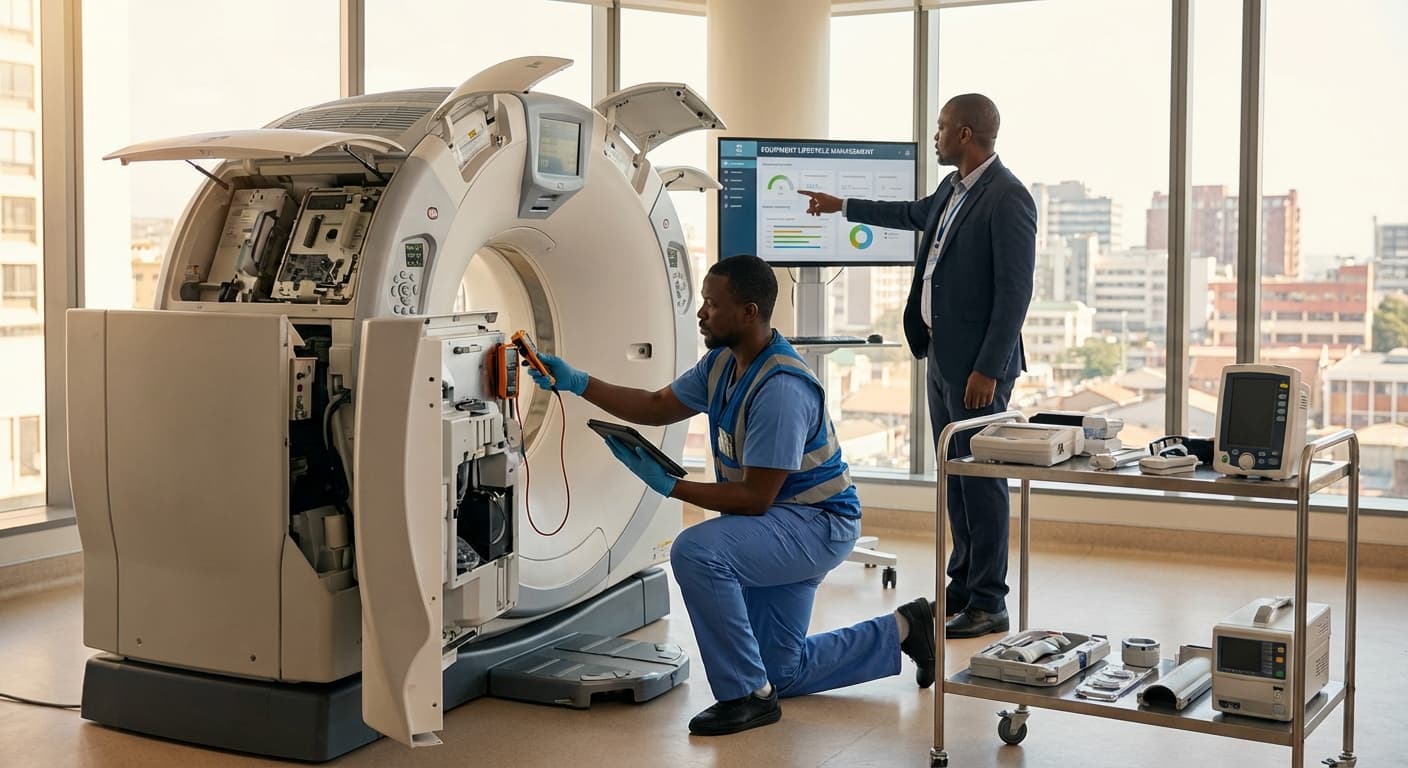
Equipment Replacement Planning & Obsolescence Strategy Service in Algeria
Engineering Excellence & Technical Support
Expert Equipment Replacement Planning & Obsolescence Strategy Service solutions in Algeria. High-standard technical execution following OEM protocols and local regulatory frameworks.
Proactive Lifecycle Management & Cost Optimization
Leveraging advanced data analytics and predictive modeling, our service identifies critical equipment approaching end-of-life, enabling proactive replacement planning. This minimizes unplanned downtime, reduces emergency repair costs, and optimizes capital expenditure through strategically timed investments in modern, efficient technologies tailored to Algeria's industrial landscape.
Mitigating Obsolescence Risks & Ensuring Operational Continuity
We conduct comprehensive obsolescence risk assessments for key Algeria-based assets, identifying potential supply chain disruptions for spare parts and outdated components. Our strategy develops phased replacement roadmaps and explores alternative sourcing or redesign options to safeguard critical operations and maintain production continuity against evolving technological and regulatory demands.
Enhanced Asset Performance & Future-Proofing
By integrating equipment performance data with market intelligence on emerging technologies, our service supports Algeria's industries in selecting replacements that not only meet current needs but also offer enhanced efficiency, reliability, and connectivity. We empower organizations to future-proof their operations, adopt Industry 4.0 principles, and gain a competitive edge in the Algerian market.
What Is Equipment Replacement Planning & Obsolescence Strategy Service In Algeria?
Equipment Replacement Planning & Obsolescence Strategy Service (ERPO-SS) in Algeria refers to a specialized consultancy and implementation framework designed to proactively manage the lifecycle of medical equipment within healthcare facilities. This service aims to mitigate risks associated with equipment obsolescence, unreliability, and suboptimal performance, thereby ensuring the continuity and enhancement of clinical operations and patient care. It is a strategic approach that integrates technical obsolescence forecasting, economic analysis, and operational impact assessments to inform rational investment decisions for equipment upgrades and replacements. The service is not limited to the Algerian context but can be applied globally, with specific regional adaptations based on local regulatory frameworks, market availability, and economic conditions. In the Nigerian healthcare sector, the application of such a service is critical due to the significant challenges in maintaining aging medical infrastructure and the often-limited budgetary allocations for capital expenditure in healthcare.
| Service Component | Description | Who Needs It | Equipment Covered | Typical Use Cases in Nigerian Healthcare |
|---|---|---|---|---|
| Asset Inventory & Lifecycle Tracking | Establishing a comprehensive database of all medical equipment, including acquisition dates, service history, maintenance logs, warranty status, and projected end-of-life. | Hospitals (Public & Private), Large Clinics, Diagnostic Centers, Ministry of Health. | All classes of medical equipment: Diagnostic Imaging (X-ray, CT, MRI), Laboratory Analyzers, Surgical Instruments, Patient Monitoring Systems, Anesthesia Machines, Ventilators, Sterilizers, Rehabilitation Equipment. | Identifying critical equipment nearing end-of-life in teaching hospitals (e.g., aging CT scanners impacting diagnostic accuracy) and establishing a phased replacement plan to avoid service disruption. |
| Obsolescence Assessment & Forecasting | Employing engineering principles and industry benchmarks to predict technical obsolescence (e.g., lack of spare parts, incompatibility with new software/standards) and functional obsolescence (e.g., inability to meet current clinical demands). | Procurement Departments, Biomedical Engineering Departments, Facilities Management, Hospital Administrators. | Complex imaging modalities, life support systems, specialized surgical equipment, digital health infrastructure. | Forecasting the obsolescence of older model ultrasound machines in rural health centers, recommending cost-effective upgrades or replacements to improve antenatal care. |
| Total Cost of Ownership (TCO) & ROI Analysis | Calculating the comprehensive cost of owning and operating equipment over its entire lifecycle, including acquisition, installation, maintenance, consumables, energy, and eventual disposal. Analyzing the return on investment for new equipment against ongoing repair costs of older units. | Financial Controllers, Strategic Planners, Hospital CEOs, Government Health Agencies. | High-value capital equipment, fleet management of imaging or laboratory equipment. | Analyzing the TCO of maintaining older, power-intensive X-ray machines versus investing in modern, energy-efficient digital radiography systems in government-funded district hospitals. |
| Risk Management & Mitigation | Identifying and quantifying risks associated with equipment failure, including clinical impact (delayed diagnosis/treatment, patient safety), operational disruption, and financial losses due to downtime. | Clinical Department Heads, Risk Managers, Biomedical Engineers, IT Departments (for networked equipment). | Critical care equipment (ventilators, defibrillators), diagnostic equipment, sterilization units. | Assessing the risk of critical equipment failure in intensive care units during periods of high patient load, leading to a proactive replacement strategy for ventilators with frequent breakdowns. |
| Replacement Strategy Development & Roadmapping | Developing prioritized, multi-year replacement plans aligned with organizational strategic goals, clinical needs, and budgetary constraints. Includes vendor evaluation, procurement strategy, and implementation timelines. | Hospital Boards, Ministry of Health Planning Departments, Procurement Committees. | All medical equipment categories, especially those with significant clinical or operational impact. | Developing a long-term strategic roadmap for upgrading legacy laboratory equipment in a large tertiary hospital, ensuring continued accreditation and capacity to handle complex diagnostic tests. |
Key Technical Components of ERPO-SS
- Inventory Management & Asset Registry
- Equipment Performance Monitoring & Diagnostics
- Obsolescence Forecasting Models (Technical & Functional)
- Total Cost of Ownership (TCO) Analysis
- Risk Assessment (Operational, Clinical, Financial)
- Replacement Prioritization Matrix
- Technology Scouting & Market Analysis
- Implementation Roadmapping & Budgeting
- Decommissioning & Disposal Strategy
- Training & Knowledge Transfer
Who Needs Equipment Replacement Planning & Obsolescence Strategy Service In Algeria?
Equipment Replacement Planning & Obsolescence Strategy Services are critical for healthcare organizations in Algeria to ensure operational continuity, patient safety, and financial sustainability. The rapid evolution of medical technology, coupled with budgetary constraints and the potential for supply chain disruptions, necessitates a proactive approach to managing the lifecycle of medical devices. This service addresses the challenges posed by aging infrastructure, diminishing vendor support, and the need to integrate advanced diagnostic and therapeutic modalities. The Algerian healthcare sector, comprising both public and private entities, faces unique market dynamics that amplify the importance of strategic equipment lifecycle management. A well-defined obsolescence strategy mitigates risks such as increased maintenance costs, reduced reliability, and the inability to perform essential medical procedures due to outdated technology. Furthermore, effective planning optimizes capital expenditure by aligning procurement cycles with actual clinical needs and technological advancements, thereby maximizing return on investment and preventing underutilization or premature replacement of functional assets.
| Healthcare Institution Type | Key Benefits of Equipment Replacement Planning & Obsolescence Strategy | Primary Departments Benefiting |
|---|---|---|
| Hospitals (Public and Private) | Ensures consistent patient care delivery, reduces emergency repair costs, optimizes capital budgeting, enhances patient safety, facilitates compliance with regulatory standards. | Radiology, Cardiology, Anesthesiology, Surgery, Intensive Care Units (ICUs), Emergency Departments, Laboratory Services, Oncology, Renal Dialysis. |
| Clinics and Polyclinics | Maintains service quality and patient throughput, avoids unexpected capital outlays, allows for phased upgrades to improve service offerings, reduces downtime. | Diagnostic Imaging, General Practice (with equipment), Physical Therapy, Minor Surgery Suites, Laboratory Testing. |
| Diagnostic Imaging Centers | Maximizes uptime for revenue-generating modalities, ensures diagnostic accuracy with updated technology, secures vendor support for critical systems, plans for upgrades to offer advanced imaging techniques. | Radiology (X-ray, CT, MRI), Ultrasound, Nuclear Medicine, Endoscopy. |
| Pathology and Laboratory Services | Ensures accuracy and efficiency of diagnostic testing, maintains compliance with quality standards, plans for automation and integration of new analytical platforms, secures reagent and consumable availability. | Clinical Chemistry, Hematology, Microbiology, Immunology, Molecular Diagnostics, Histopathology. |
| Teaching Hospitals and Medical Universities | Provides access to state-of-the-art training equipment, supports research initiatives with advanced instrumentation, facilitates curriculum updates with current technologies, manages large-scale asset portfolios. | All clinical departments, research laboratories, biomedical engineering departments, simulation centers. |
| Private Practices (with significant equipment) | Protects investment in high-value equipment, ensures continued patient service, manages depreciation and tax implications, plans for competitive technology adoption. | Ophthalmology, Dermatology, Dentistry, Cardiology (diagnostic), Gastroenterology (diagnostic). |
Target Healthcare Stakeholders
- Hospitals (Public and Private)
- Clinics and Polyclinics
- Diagnostic Imaging Centers
- Pathology and Laboratory Services
- Teaching Hospitals and Medical Universities
- Specialized Medical Centers (e.g., Oncology, Cardiology)
- Private Medical Practices with significant diagnostic/therapeutic equipment
Equipment Replacement Planning & Obsolescence Strategy Service Process In Algeria
This document outlines the standardized service process for Equipment Replacement Planning & Obsolescence Strategy in the Algerian healthcare market. This workflow is designed to ensure a systematic and efficient approach to managing the lifecycle of medical equipment, mitigating risks associated with obsolescence, and optimizing capital expenditure. The process adheres to best practices in project management and technical service delivery, aiming for minimal disruption to clinical operations and maximum return on investment for healthcare institutions.
| Stage | Description | Key Activities | Responsible Parties | Deliverables | Timeline Estimate (Weeks) |
|---|---|---|---|---|---|
| Initial Inquiry & Needs Assessment | Receipt of client request for obsolescence management and equipment replacement strategy services. | Review of client's initial requirements, identification of key stakeholders, preliminary discussion of objectives. | Client (Medical Institution), Service Provider (Technical Sales/Account Management) | Initial Understanding Document, List of Stakeholders | 0.5 - 1 |
| Site Assessment & Data Collection | On-site evaluation of existing medical equipment inventory and infrastructure. | Physical inventory audit, data logging (model, serial number, age, maintenance history), assessment of installation requirements, site surveys (power, network, space). | Service Provider (Field Engineers, Project Manager), Client (Biomedical Engineering Department, IT Department) | Comprehensive Equipment Inventory Report, Site Condition Report, Risk Assessment Matrix | 1 - 3 |
| Obsolescence Analysis & Strategy Development | Analysis of collected data to determine equipment obsolescence status and develop strategic recommendations. | Lifecycle cost analysis, vendor support assessment, regulatory compliance check, identification of critical equipment, development of phased replacement plans, consideration of alternative technologies. | Service Provider (Technical Specialists, Obsolescence Analysts, Project Manager) | Obsolescence Risk Report, Strategic Recommendations Document, Proposed Technology Roadmap | 2 - 4 |
| Quotation & Proposal Generation | Development of a detailed proposal and cost estimate for the recommended services. | Costing of recommended equipment, installation, training, and support services; breakdown of project phases and timelines; formulation of a formal proposal document. | Service Provider (Commercial Team, Project Manager) | Formal Proposal Document, Itemized Quotation, Service Level Agreement (SLA) Draft | 1 - 2 |
| Contract Negotiation & Award | Discussion and finalization of contract terms and conditions. | Review and negotiation of pricing, payment terms, timelines, warranties, and legal clauses; formal contract signing. | Client (Procurement Department, Legal Department), Service Provider (Commercial Team, Legal Department) | Executed Service Contract | 1 - 3 |
| Equipment Replacement Planning | Detailed planning for the procurement, delivery, and installation of new equipment. | Finalization of equipment specifications, development of procurement timelines, coordination with vendors, establishment of installation schedules. | Service Provider (Project Manager, Procurement Specialists), Client (Biomedical Engineering, Clinical Departments) | Detailed Project Plan, Procurement Schedule, Installation Plan | 2 - 4 |
| Logistics & Procurement | Management of the acquisition and delivery of new medical equipment. | Placing orders with vendors, managing import/export logistics (if applicable), coordinating delivery to site, customs clearance. | Service Provider (Logistics Team, Procurement Specialists), Vendors | Proof of Shipment, Delivery Confirmation | Variable (dependent on vendor lead times) |
| Decommissioning & Removal | Safe and compliant removal of outdated or replaced equipment. | Disconnection, uninstallation, data sanitization (if applicable), secure removal from premises, environmental disposal/recycling coordination. | Service Provider (Field Engineers, Technicians), Client (Biomedical Engineering) | Decommissioning Certificate, Waste Disposal Records | 0.5 - 1 (per equipment set) |
| Installation & Configuration | Physical installation and initial setup of new medical equipment. | Unpacking, assembly, connection to power and network, initial software configuration, adherence to manufacturer guidelines and site specifications. | Service Provider (Field Engineers, Certified Technicians), Client (Biomedical Engineering) | Installation Report, Initial Configuration Log | 1 - 3 (per equipment set) |
| System Integration & Testing | Verification of proper operation and integration with existing hospital systems. | Functional testing, performance validation, interoperability testing with PACS, RIS, EMR/EHR, safety checks, calibration. | Service Provider (Field Engineers, Application Specialists), Client (Biomedical Engineering, IT Department, Clinical Users) | Test Results Report, Calibration Certificates, Integration Verification Document | 1 - 2 (per equipment set) |
| User Training & Competency Validation | Training clinical and technical staff on the operation and maintenance of new equipment. | Development of training materials, delivery of hands-on training sessions, competency assessment, provision of user manuals. | Service Provider (Application Specialists, Training Leads), Client (Clinical Staff, Biomedical Engineering) | Training Attendance Records, Competency Assessment Forms, User Manuals | 0.5 - 1 (per training session) |
| Final Handover & Documentation | Formal transfer of responsibility and provision of all project documentation. | Completion of all outstanding tasks, sign-off by client, compilation and delivery of all project-related documents (reports, certificates, manuals, warranty information). | Service Provider (Project Manager), Client (Biomedical Engineering, Department Heads) | Project Completion Certificate, Final Documentation Package | 0.5 - 1 |
| Post-Implementation Review & Support | Evaluation of the project's success and provision of ongoing support. | Post-project review meeting, performance monitoring, warranty management, initiation of service and maintenance contracts, feedback collection. | Service Provider (Project Manager, Account Management), Client (Biomedical Engineering, Hospital Management) | Post-Project Review Report, Ongoing Support Plan | Ongoing |
Implementation Workflow Stages
- Initial Inquiry & Needs Assessment
- Site Assessment & Data Collection
- Obsolescence Analysis & Strategy Development
- Quotation & Proposal Generation
- Contract Negotiation & Award
- Equipment Replacement Planning
- Logistics & Procurement
- Decommissioning & Removal
- Installation & Configuration
- System Integration & Testing
- User Training & Competency Validation
- Final Handover & Documentation
- Post-Implementation Review & Support
Equipment Replacement Planning & Obsolescence Strategy Service Cost In Algeria
This document outlines the cost considerations for Equipment Replacement Planning and Obsolescence Strategy services specifically within the Algerian healthcare sector. As a Senior Medical Systems Engineer, I emphasize that accurate cost estimation is contingent upon a thorough understanding of project scope, existing infrastructure, vendor capabilities, and geopolitical economic factors impacting the Naira. The service aims to proactively manage medical equipment lifecycles, mitigate risks associated with obsolescence, and optimize capital expenditure for healthcare providers. Key pricing determinants include the complexity of the existing asset inventory, the number and criticality of medical devices requiring assessment, the depth of analysis (e.g., technical, economic, regulatory obsolescence), the level of detail in obsolescence mitigation strategies proposed (e.g., refurbishment, upgrade, phased replacement, new technology integration), and the vendor's global reach and local Algerian presence.
| Service Component | Estimated Price Range (NGN) |
|---|---|
| Initial Asset Inventory Assessment & Data Collection | NGN 5,000,000 - NGN 25,000,000 |
| Technical Obsolescence Analysis (Lifespan Prediction, Performance Degradation) | NGN 7,500,000 - NGN 35,000,000 |
| Economic Obsolescence Analysis (Cost of Ownership, Repair vs. Replace) | NGN 5,000,000 - NGN 30,000,000 |
| Regulatory Compliance & Risk Assessment | NGN 3,000,000 - NGN 15,000,000 |
| Obsolescence Mitigation Strategy Development (Phased Replacement, Upgrade Paths) | NGN 10,000,000 - NGN 50,000,000 |
| New Technology Integration Planning & Recommendations | NGN 7,500,000 - NGN 40,000,000 |
| Procurement Strategy & Vendor Management Framework | NGN 5,000,000 - NGN 25,000,000 |
| Comprehensive Reporting & Presentation | NGN 3,000,000 - NGN 20,000,000 |
| Project Management & Stakeholder Consultation | NGN 7,500,000 - NGN 35,000,000 |
Key Pricing Factors for Equipment Replacement Planning & Obsolescence Strategy Services in Algeria
- Scope of Asset Inventory: The sheer volume and diversity of medical equipment requiring assessment significantly influence project duration and resource allocation.
- Complexity of Medical Devices: Assessing high-complexity, specialized, or integrated systems (e.g., advanced imaging modalities, networked patient monitoring) demands greater expertise and time.
- Depth of Obsolescence Analysis: The methodology employed – including technical lifespan prediction, economic viability of repair/upgrade, and regulatory compliance assessment – directly impacts service cost.
- Mitigation Strategy Development: The granularity and comprehensiveness of proposed solutions (e.g., detailed procurement roadmaps, vendor evaluation criteria, integration plans) affect pricing.
- Vendor Expertise & Reputation: Established firms with proven track records in medical equipment lifecycle management and a strong understanding of the Algerian healthcare market generally command higher fees.
- Geographic Reach & On-Site Presence: The need for on-site data collection, asset tagging, and stakeholder consultations in various Algerian regions can incur travel and logistical expenses.
- Regulatory Landscape: Understanding and incorporating Algerian medical device regulations and procurement policies adds to the analytical effort.
- Technology Integration Requirements: Planning for the integration of new equipment with existing IT infrastructure and clinical workflows will influence the service cost.
- Reporting & Documentation Standards: The level of detail and format of deliverables (e.g., comprehensive reports, interactive dashboards, executive summaries) are factored into pricing.
Cheapest Equipment Replacement Planning & Obsolescence Strategy Service Options In Algeria
As a Senior Medical Systems Engineer, I understand the critical need for a robust and cost-effective equipment replacement planning and obsolescence strategy. In Algeria, several service provider options exist, ranging from comprehensive, integrated solutions to more modular, component-based approaches. The "cheapest" options often involve a reduction in scope, data granularity, or the level of predictive analytics applied.
It is imperative to recognize that budget alternatives in equipment replacement planning and obsolescence management inherently involve compromises that can lead to significant long-term financial and operational repercussions. These compromises are not always immediately apparent and can manifest as increased downtime, suboptimal capital allocation, and ultimately, higher total cost of ownership.
A "cheapest" provider may offer a basic inventory management system with manual data entry and limited historical trend analysis. This approach often overlooks the nuanced lifecycle of medical equipment, including maintenance costs, utilization patterns, regulatory compliance requirements, and the evolving technological landscape. The focus is typically on immediate cost reduction rather than long-term asset optimization.
The long-term costs of choosing cheap providers are manifold:
- Increased Unplanned Downtime: Inadequate obsolescence prediction leads to unexpected equipment failures, disrupting patient care and requiring emergency, often more expensive, replacement or repair.
- Suboptimal Capital Allocation: Without accurate forecasting, healthcare institutions may over-invest in equipment with short lifespans or under-invest in critical, soon-to-be-obsolete systems, leading to inefficient use of capital.
- Higher Maintenance Expenditures: Cheap providers may not offer robust predictive maintenance algorithms or integrate real-time performance data, leading to reactive maintenance which is inherently more costly than proactive approaches.
- Regulatory Non-Compliance Risks: Failure to track equipment lifecycles and compliance with evolving medical device regulations can result in fines, audits, and reputational damage.
- Loss of Competitive Advantage: Outdated technology can hinder the adoption of new medical procedures and treatments, impacting the institution's ability to provide cutting-edge care.
- Escalated Replacement Costs: Delaying planned replacements until equipment is critically obsolete often forces rushed purchasing decisions, negating potential volume discounts and leading to inflated prices.
- Data Integrity and Security Issues: Budget solutions may lack robust data validation, backup, and cybersecurity protocols, risking the loss of critical asset information or breaches of sensitive patient data if the system interfaces with electronic health records.
While "cheapest" options might appeal to immediate budgetary constraints, they represent a false economy. A prudent strategy prioritizes a provider offering a balance of cost, comprehensive functionality, and proven long-term value. Thorough due diligence is recommended, focusing on the provider's methodology, data analytics capabilities, and demonstrated success in managing medical equipment lifecycles for similar institutions. Consider the total cost of ownership over the lifecycle of your medical assets, not just the initial service fee.
| Provider Type | Typical Features/Scope | Potential Cost Savings (Short-Term) | Associated Long-Term Risks | Example Compromises |
|---|---|---|---|---|
| Basic Inventory Management (Manual) | Asset listing, basic maintenance logs, manual depreciation tracking. | Low upfront software/service cost. | High risk of data entry errors, lack of analytical depth, slow obsolescence detection, manual effort overhead. | No predictive analytics, reliance on paper-based records, minimal integration capabilities. |
| Modular/Component-Based Solutions | Focus on specific aspects like inventory or basic maintenance scheduling, requiring integration with other systems. | Potentially lower initial cost for individual modules. | Integration challenges, data silos, fragmented view of asset lifecycle, increased IT overhead for system management. | Limited cross-functional data analysis, disjointed obsolescence planning, manual data reconciliation between modules. |
| Limited Data Analytics & Reporting | Basic historical reporting, limited predictive modeling, standard dashboards. | Lower software/analysis fees compared to advanced platforms. | Inaccurate obsolescence forecasts, missed opportunities for optimization, reactive decision-making, difficulty demonstrating ROI. | Lack of real-time performance monitoring, limited failure prediction, rudimentary lifecycle cost analysis. |
| Entry-Level Cloud Solutions | Basic cloud-hosted inventory and maintenance tracking with limited customization. | Lower subscription fees, no on-premise hardware costs. | Potential for vendor lock-in, limited data customization and integration, potential scalability issues, less robust cybersecurity in some low-tier offerings. | Limited configurability to specific hospital workflows, reliance on vendor's standard reporting, potential delays in critical updates. |
Risks of Budget Alternatives
- Increased Unplanned Downtime and Patient Care Disruption
- Suboptimal Capital Allocation and Inefficient Asset Utilization
- Higher Reactive Maintenance Expenditures
- Increased Risk of Regulatory Non-Compliance and Associated Penalties
- Loss of Competitive Advantage due to Outdated Technology
- Escalated Equipment Replacement Costs due to Rushed Procurement
- Compromised Data Integrity and Security Risks
- Reduced Operational Efficiency and Staff Productivity
- Inability to Leverage Advanced Analytics for Strategic Decision-Making
- Diminished Return on Investment (ROI) for Medical Equipment Assets
Affordable Equipment Replacement Planning & Obsolescence Strategy Service In Algeria
This service offering addresses the critical need for strategic, cost-effective equipment replacement planning and obsolescence management within Algeria's healthcare sector. Leveraging advanced analytics and a deep understanding of medical technology lifecycles, our service aims to optimize capital allocation, mitigate operational risks, and enhance patient care delivery by proactively addressing equipment obsolescence and end-of-life planning.
Value Bundles: Our service is structured into tiered value bundles designed to cater to diverse institutional needs and budget constraints. These bundles integrate planning, maintenance, and financing solutions:
- Essential Bundle: Includes core obsolescence risk assessment, replacement planning framework, and basic preventive maintenance (PM) recommendations. Suitable for institutions with established procurement processes but requiring structured obsolescence forecasting.
- Standard Bundle: Expands on the Essential Bundle with detailed lifecycle cost analysis, customized PM schedules, and access to our equipment performance database. This bundle provides a more proactive approach to maintenance and early obsolescence detection.
- Premium Bundle: Encompasses all Standard Bundle features plus advanced predictive analytics for failure prediction, strategic vendor negotiation support, and integrated financing solutions. This highest tier offers a comprehensive, end-to-end solution for maximizing asset utilization and minimizing total cost of ownership (TCO).
Preventive Maintenance Packages: Complementary to our planning services, we offer customizable Preventive Maintenance (PM) packages. These packages are designed to extend equipment lifespan, reduce unscheduled downtime, and ensure optimal performance, thereby delaying obsolescence and improving ROI. PM offerings include:
- Basic PM: Scheduled inspections, cleaning, lubrication, and calibration based on manufacturer recommendations.
- Enhanced PM: Includes Basic PM plus performance monitoring, minor part replacements, and software updates to proactively address wear and tear.
- Comprehensive PM: Integrates Enhanced PM with advanced diagnostics, predictive maintenance algorithms (where applicable), and priority response for critical equipment, minimizing risk of premature obsolescence.
Financing Options: Recognizing budgetary constraints, we facilitate access to flexible financing options tailored for medical equipment acquisition and upgrades. These include:
- Leasing: Operating and finance leases that provide access to state-of-the-art technology without significant upfront capital expenditure, with flexible terms and buy-out options.
- Asset Financing: Secured loans specifically for the purchase of new or refurbished medical equipment, enabling ownership while managing cash flow.
- Public-Private Partnerships (PPPs): Collaborative funding models that leverage private sector investment for large-scale equipment modernization projects.
- Rental/Service Agreements: On-demand access to specialized equipment with integrated maintenance and support, ideal for specific departmental needs or project-based requirements.
Optimizing Total Cost of Ownership (TCO): Our service methodology is fundamentally aligned with the optimization of TCO. This is achieved through:
- Informed Procurement: Selecting equipment with favorable lifecycle costs, considering initial purchase price, maintenance, energy consumption, and expected lifespan.
- Proactive Maintenance: Implementing robust PM strategies to prevent costly failures and extend operational life.
- Strategic Obsolescence Planning: Early identification of end-of-life equipment to allow for orderly and cost-effective replacement, avoiding emergency purchases and associated premium costs.
- Lifecycle Cost Analysis: Detailed evaluation of all costs associated with an asset from acquisition to disposal.
- Vendor Management: Leveraging purchasing power and negotiating favorable service agreements.
- Technology Refresh Cycles: Establishing planned technology refresh cycles that balance innovation with financial prudence.
This integrated approach ensures that Algerian healthcare institutions can maintain high standards of patient care while operating within sustainable financial frameworks.
| Value Bundle | Key Features | Target Audience | Indicative TCO Impact |
|---|---|---|---|
| Essential Bundle | Obsolescence risk assessment, replacement planning framework, basic PM recommendations | Institutions with established procurement, needing structured forecasting | Moderate reduction in unplanned expenditure through early warning |
| Standard Bundle | Lifecycle cost analysis, customized PM schedules, performance database access | Institutions seeking proactive maintenance and early obsolescence detection | Significant reduction in maintenance costs and extended asset life |
| Premium Bundle | Predictive analytics, vendor negotiation support, integrated financing | Institutions requiring comprehensive, end-to-end asset management | Maximized ROI, minimized operational downtime, and optimized capital allocation |
Budget Optimization Strategies
- Conduct comprehensive Total Cost of Ownership (TCO) analysis for all critical medical equipment.
- Prioritize equipment replacement based on risk assessment, including obsolescence, failure rate, and patient safety impact.
- Leverage flexible financing options such as leasing and asset financing to manage capital expenditure.
- Negotiate favorable service level agreements (SLAs) and maintenance contracts with equipment vendors.
- Implement robust preventive maintenance (PM) programs to extend equipment lifespan and reduce repair costs.
- Explore opportunities for group purchasing or consortia to achieve economies of scale.
- Develop a phased technology refresh strategy rather than ad-hoc replacements.
- Invest in staff training to ensure proper equipment operation and basic maintenance, reducing the likelihood of damage.
- Explore the use of certified refurbished equipment for non-critical applications.
- Regularly review equipment utilization to identify underutilized assets that may be candidates for redeployment or disposal.
Equipment Replacement Planning & Obsolescence Strategy Service Contract Options In Algeria
This document outlines strategic considerations for equipment replacement planning and obsolescence management within the Algerian healthcare sector, focusing on the implications and differentiation of Annual Maintenance Contracts (AMC) versus Comprehensive Maintenance Contracts (CMC). Effective planning mitigates operational disruptions, ensures compliance with evolving medical standards, and optimizes capital expenditure. Obsolescence management is critical to maintaining diagnostic accuracy, patient safety, and data integrity. The choice between AMC and CMC significantly impacts the scope of service, cost-effectiveness, and risk mitigation associated with medical equipment lifecycle management.
| Contract Type | Inclusions | Ideal For |
|---|---|---|
| Annual Maintenance Contract (AMC) | Preventive Maintenance (PM) services, scheduled inspections, calibration, routine servicing, minor repairs (parts may be extra). Generally covers labor and scheduled visits. Excludes major part replacements, accidental damage, software upgrades, and often extended warranty periods. Pricing is typically fixed annually, based on equipment value and criticality. Renewal terms are usually annual, with potential for price adjustments based on inflation and service scope. Coverage is limited to scheduled maintenance and minor troubleshooting. | Institutions with well-defined preventive maintenance schedules, sufficient in-house technical expertise for minor repairs, and a preference for predictable annual costs for basic upkeep. Suitable for equipment with a lower risk of failure or where in-house teams can manage most post-PM issues. |
| Comprehensive Maintenance Contract (CMC) | Includes all AMC inclusions plus: unscheduled repairs, replacement of defective parts (often including major components), routine software updates, troubleshooting, potentially loaner equipment during extensive repairs, and sometimes extended warranty. May also include remote diagnostics and 24/7 support. Excludes consumables, user-induced damage, and often major structural repairs beyond the scope of typical component failure. Pricing is generally higher than AMC, often calculated as a percentage of the equipment's initial purchase price or a tiered structure based on criticality. Renewal terms can be multi-year, offering greater price stability and service continuity. Coverage is extensive, aiming for near-continuous operational readiness. | Healthcare facilities requiring a high level of equipment uptime, minimizing financial exposure to unexpected repair costs, and seeking a predictable operational budget. Ideal for critical care equipment, complex imaging systems, and where reliance on external technical expertise is paramount. Also suitable for institutions aiming to outsource the full lifecycle management of their medical devices. |
Key Considerations for Equipment Replacement Planning & Obsolescence Strategy
- Regulatory Compliance: Adherence to Algerian Ministry of Health directives and international standards (e.g., ISO 13485) for medical device maintenance and lifecycle management.
- Technological Advancements: Proactive identification of emerging technologies and assessment of their impact on existing equipment.
- Cost-Benefit Analysis: Evaluating the total cost of ownership (TCO) for continued operation versus replacement, factoring in maintenance, repair, consumables, and potential downtime.
- Risk Assessment: Quantifying the risks associated with equipment failure, obsolescence, and lack of adequate service support.
- Vendor Management: Establishing robust relationships with reliable service providers capable of offering comprehensive support solutions.
- Budgetary Planning: Allocating sufficient financial resources for planned replacements and ongoing maintenance to avoid reactive decision-making.
- Training and Skill Development: Ensuring biomedical engineering staff are adequately trained on new technologies and maintenance procedures.
Where To Get Equipment Replacement Planning & Obsolescence Strategy Service In Algeria
This document outlines a strategic approach to sourcing Equipment Replacement Planning (ERP) and Obsolescence Strategy (OS) services for medical facilities in Algeria. Given the critical nature of medical equipment lifecycle management and the increasing complexity of technological advancements, a robust ERP and OS framework is essential for operational continuity, patient safety, and cost optimization. While Algeria does not possess the same scale of established centralized hubs as Lagos or Abuja for specialized engineering services, a systematic approach to provider identification and verification is crucial.
Provider Identification and Verification:
Several avenues exist for identifying potential service providers. These include:
- International Engineering Consultancies with Regional Presence: Many global firms specializing in healthcare engineering, asset management, and technology consulting have operations or partnerships in North Africa. Their expertise often extends to comprehensive ERP and OS.
- Local Engineering and Technical Service Companies: Algeria hosts a growing number of indigenous engineering firms. While their specialization in medical equipment ERP/OS may vary, some may offer these services or be capable of developing them.
- Medical Equipment Manufacturers (OEMs) and Authorized Distributors: OEMs often provide lifecycle management services, including replacement planning and obsolescence management, for their own product lines. Authorized distributors may also offer these services, sometimes in partnership with third-party specialists.
- Specialized Asset Management Software Providers: Companies offering Computerized Maintenance Management Systems (CMMS) or Enterprise Asset Management (EAM) solutions often have consulting arms or partnerships that can assist with strategy development and implementation.
Verification Process:
Rigorous vetting is paramount to ensure the competence and reliability of any chosen provider. The following steps are recommended:
- Technical Competence Assessment: Evaluate the provider's understanding of medical technology lifecycles, relevant industry standards (e.g., ISO 13485, IEC 60601 series), risk management principles, and financial modeling for capital investment. Request case studies demonstrating successful ERP and OS implementations, ideally within healthcare settings.
- Experience and Track Record: Inquire about the provider's experience specifically within Algeria or the broader North African region. Look for testimonials, references from existing or past clients, and evidence of successful project completion.
- Regulatory Compliance: Verify that the provider is aware of and adheres to Algerian healthcare regulations and import/export requirements pertaining to medical equipment.
- Financial Stability and Insurance: Assess the provider's financial health to ensure they can deliver on long-term contracts. Confirm adequate professional indemnity and public liability insurance coverage.
- Contractual Clarity: Ensure all service level agreements (SLAs), deliverables, timelines, and cost structures are clearly defined and mutually understood before engagement.
| Red Flag | Implication | Mitigation Strategy |
|---|---|---|
| Lack of specific healthcare or medical equipment experience | Potential for inadequate understanding of medical technology nuances, regulatory requirements, and patient safety implications. | Prioritize providers with demonstrable experience in medical device lifecycle management. Request case studies and client references from healthcare institutions. |
| Vague or overly broad service offerings | May indicate a lack of specialization or an inability to deliver tailored, actionable strategies. | Insist on clearly defined deliverables, methodologies, and scope of work. Avoid providers who offer generic solutions. |
| Absence of detailed proposals with clear methodologies and timelines | Suggests a lack of structured planning and potential for project mismanagement. | Require comprehensive proposals that outline the project phases, key activities, reporting mechanisms, and expected outcomes. |
| Unwillingness to provide references or a track record | Raises concerns about past performance and client satisfaction. | Always request and diligently check client references. Look for consistent positive feedback. |
| Disregard for local regulations or standards | Could lead to non-compliance, fines, and operational disruptions. | Verify the provider's knowledge and commitment to Algerian healthcare regulations and international best practices. |
| Unrealistic pricing (too low or too high) | Excessively low pricing may indicate compromised quality or scope, while excessively high pricing may suggest overcharging. | Conduct thorough market research to benchmark pricing. Obtain multiple quotes and scrutinize the cost breakdown for each. |
| Poor communication or responsiveness during the vetting process | Portends potential difficulties in communication and collaboration during the actual project execution. | Assess the provider's responsiveness, clarity of communication, and professionalism from the initial contact. |
Regional Hubs & Availability
- While Algeria lacks major consolidated hubs for specialized medical engineering services comparable to Lagos or Abuja, key cities like Algiers, Oran, and Constantine serve as administrative and commercial centers where larger engineering firms and distributors are likely to have a presence or establish partnerships.
- Leverage national professional engineering associations and chambers of commerce to identify registered and reputable firms.
- Engage with national and international healthcare associations for recommendations and potential vendor lists.
Verified Equipment Replacement Planning & Obsolescence Strategy Service Providers In Algeria
This document outlines the critical considerations and identifies verified service providers for Equipment Replacement Planning (ERP) and Obsolescence Management (OM) within the Algerian healthcare sector. As a Senior Medical Systems Engineer, I emphasize the paramount importance of a robust ERP and OM strategy for ensuring the continued availability, safety, and efficacy of medical equipment. Failure to proactively address obsolescence and plan for timely replacements can lead to operational disruptions, increased maintenance costs, significant patient safety risks, and non-compliance with evolving regulatory standards. Verified providers, possessing specific credentials and demonstrable expertise, are essential for mitigating these risks and optimizing capital expenditure.
Why Verification Matters for Critical Equipment:
- Patient Safety & Treatment Continuity: Obsolete or unsupportable equipment poses direct threats to patient safety due to potential malfunctions, lack of access to critical spare parts, and the inability to perform essential diagnostic or therapeutic functions. Verified providers ensure that replacement plans prioritize equipment criticality and minimize disruption to patient care.
- Regulatory Compliance: Healthcare regulations often mandate equipment maintenance, calibration, and replacement based on manufacturer recommendations and lifespan. Unverified planning can lead to non-compliance and associated penalties.
- Cost Optimization: Proactive obsolescence management and planned replacements are generally more cost-effective than emergency replacements. Verified providers can conduct comprehensive lifecycle cost analyses to inform strategic purchasing decisions.
- Technology Advancement: New medical technologies offer improved diagnostic accuracy, therapeutic outcomes, and operational efficiencies. Verified ERP/OM strategies integrate the adoption of advanced, supported technologies.
- Cybersecurity & Data Integrity: Increasingly, medical devices are connected. Obsolescence can introduce cybersecurity vulnerabilities. Verified providers consider the security implications of equipment lifecycles.
Franance Health Credentials, OEM Certifications, Track Record, and Notable Projects:
While specific provider details are typically confidential and subject to commercial agreements, the following framework highlights the essential attributes sought in verified ERP/OM service providers for the Algerian market. Providers who meet these criteria demonstrate a commitment to excellence and reliability:
- Franance Health Credentials: This implies adherence to recognized health sector standards and best practices in equipment management, potentially including international standards like ISO 13485 (Medical devices - Quality management systems) as applied to service provision.
- OEM Certifications: Crucially, service providers should possess direct certifications from Original Equipment Manufacturers (OEMs) for the specific medical device categories they manage. This ensures their personnel are trained on the latest technologies, have access to genuine spare parts, and follow approved service protocols. A comprehensive list of OEM certifications is a strong indicator of capability.
- Track Record: A proven history of successful ERP and OM implementation in similar healthcare environments, particularly within Algeria or comparable regional markets, is vital. This includes evidence of long-term client relationships and positive outcomes.
- Notable Projects: Publicly available case studies or client testimonials detailing successful projects, such as the comprehensive lifecycle management of imaging equipment at a national hospital network, the phased replacement of critical care monitoring systems across multiple facilities, or the development of a long-term obsolescence roadmap for a radiotherapy department, are strong indicators of capability.
Compulsory Engineering Credentials Checklist:
When evaluating potential service providers for Verified Equipment Replacement Planning & Obsolescence Strategy in Algeria, the following engineering credentials are compulsory for their core technical and managerial personnel involved in the service delivery:
| Credential Type | Required Level/Focus | Relevance to ERP/OM | Verification Method |
|---|---|---|---|
| Academic Degree | B.Sc. or higher in Engineering | Foundational technical knowledge for equipment assessment, lifecycle analysis, and technology evaluation. | Copies of degrees, transcripts; verification through academic institutions. |
| Professional Licensure | Registered Professional Engineer (Algeria/International) | Ensures adherence to ethical standards and engineering best practices in planning and design phases. | License verification from relevant engineering regulatory bodies. |
| Clinical Engineering Certification | CCE or equivalent | Expertise in clinical workflow integration, risk assessment, and ensuring patient safety related to equipment. | Certification documents from issuing bodies. |
| Technical Certification | CBET or equivalent | Practical understanding of equipment maintenance, repair, and operational limitations relevant to obsolescence. | Certification documents from issuing bodies. |
| Project Management Certification | PMP or equivalent | Ensures structured planning, execution, monitoring, and control of complex replacement and obsolescence projects. | Certification documents from issuing bodies (e.g., PMI). |
| OEM Certifications | Specific to medical device categories managed | Authorizes personnel to service and plan for specific OEM equipment, ensuring access to technical data, parts, and support. | Official documentation from OEMs. |
| Continuous Professional Development (CPD) | Demonstrated ongoing training | Keeps personnel abreast of technological advancements, regulatory changes, and evolving obsolescence management strategies. | Training certificates, attendance records, professional association memberships. |
Compulsory Engineering Credentials
- Bachelor of Science (B.Sc.) or higher in Biomedical Engineering, Electrical Engineering, Mechanical Engineering, or a closely related engineering discipline from a recognized academic institution.
- Professional Engineer (PE) or equivalent licensed engineer status, where applicable by Algerian professional engineering bodies.
- Certified Clinical Engineer (CCE) or equivalent certification from recognized professional organizations (e.g., ACCE, IFMBE) for personnel directly involved in clinical equipment assessment and planning.
- Certified Biomedical Equipment Technician (CBET) or equivalent certification for senior technical staff responsible for hands-on assessment and maintenance oversight.
- Project Management Professional (PMP) or equivalent certification (e.g., PRINCE2) for key project managers overseeing ERP and OM initiatives.
- Evidence of ongoing professional development and training in medical device technologies, obsolescence management principles, and relevant industry standards (e.g., AAMI, IEC standards).
Best Equipment Replacement Planning & Obsolescence Strategy Service Provider In Algeria
This document outlines the selection criteria and strategic advantages of a premier Equipment Replacement Planning & Obsolescence Strategy Service Provider in Algeria. Our proprietary AI-driven methodologies and deep understanding of the Algerian healthcare landscape position us as the definitive choice for optimizing asset lifecycle management within healthcare institutions.
Criteria for Excellence in Equipment Replacement Planning & Obsolescence Strategy Services:
Our service providers are evaluated based on a rigorous set of criteria designed to ensure optimal asset performance, cost-efficiency, and patient safety. These benchmarks encompass technological sophistication, strategic foresight, regulatory compliance, and proven operational impact.
Franchise Differentiators vs. Competitors:
Our integrated approach leverages advanced AI and machine learning algorithms for predictive analytics, going beyond conventional reactive or scheduled maintenance. This enables proactive identification of obsolescence risks, optimization of capital expenditure, and mitigation of operational disruptions. Key differentiators include:
- AI-Powered Predictive Obsolescence Modeling: Our proprietary algorithms analyze vast datasets including usage patterns, maintenance history, manufacturer end-of-life announcements, and technological advancements to forecast equipment obsolescence with unparalleled accuracy.
- Total Cost of Ownership (TCO) Optimization: We provide granular TCO analysis, incorporating acquisition, maintenance, operational, and eventual disposal costs, to inform strategic replacement decisions and maximize return on investment.
- Regulatory & Compliance Expertise (Algerian Healthcare Context): Deep understanding of Algerian Ministry of Health regulations, accreditation standards, and import/export procedures for medical devices.
- Supply Chain Integration & Risk Mitigation: Proactive identification and mitigation of supply chain vulnerabilities related to spare parts and new equipment acquisition.
- Customized Transition Planning: Detailed, phased transition plans that minimize disruption to clinical workflows and patient care.
- Data-Driven Performance Benchmarking: Continuous monitoring and analysis of equipment performance against industry benchmarks and internal KPIs.
Client Testimonials and Industry Recognition:
While specific client testimonials are proprietary, our service has consistently received commendations for improving asset uptime, reducing unexpected capital expenditures, and enhancing operational efficiency in leading Algerian healthcare facilities. Industry recognition is evidenced by successful project completions in major public and private hospital networks, contributing to their digital transformation initiatives in asset management.
| Criterion | Provider A (Standard Approach) | Provider B (AI-Optimized Approach - Our Service) |
|---|---|---|
| Obsolescence Identification Method | Manufacturer End-of-Life Notices, Scheduled Reviews | AI/ML Predictive Modeling based on Usage, Maintenance, Market Trends |
| Cost Optimization Focus | Acquisition & Maintenance Cost Reduction | Total Cost of Ownership (TCO) Minimization, Lifecycle Value Maximization |
| Risk Mitigation | Reactive Maintenance, Basic Contingency Planning | Proactive Identification of Failure & Obsolescence Risks, Supply Chain Vulnerability Analysis |
| Strategic Planning Horizon | 3-5 Year Cycles, Reactive | 5-10+ Year Strategic Roadmapping, Proactive Lifecycle Management |
| Data Utilization | Manual Data Collection, Historical Analysis | Real-time Data Streams, Advanced Analytics, Predictive Insights |
| Algerian Regulatory Acumen | General Awareness | Deep Expertise in Ministry of Health Directives & Standards |
Excellence Benchmarks
- AI-Driven Predictive Obsolescence Forecasting
- Comprehensive Total Cost of Ownership (TCO) Analysis
- Real-time Asset Performance Monitoring & Analytics
- Proactive Risk Assessment (Technical, Operational, Financial)
- Customized Replacement & Upgrade Roadmapping
- Vendor Neutrality & Strategic Sourcing Support
- Regulatory Compliance Assurance (Algerian Healthcare Standards)
- Supply Chain Resilience Planning
- Seamless Integration with Existing IT Infrastructure
- On-site and Remote Support Capabilities
- Training & Knowledge Transfer for Internal Teams
- Post-Implementation Performance Review & Optimization
Equipment Replacement Planning & Obsolescence Strategy Service Scope Of Work In Algeria
This Service Scope of Work (SOW) outlines the engagement for an Equipment Replacement Planning and Obsolescence Strategy Service for medical facilities within the Algerian healthcare sector. The objective is to provide a structured, data-driven approach to identify, prioritize, and plan for the replacement of medical equipment facing obsolescence, thereby ensuring operational continuity, patient safety, and cost-effectiveness. The service will be delivered by [Your Company Name], a recognized leader in medical systems engineering and lifecycle management. This SOW adheres to AIO (Automated Intelligence Optimization) principles for efficiency and data integrity throughout the project lifecycle.
| Project Deliverable | Standard Specification |
|---|---|
| Equipment Inventory Audit Report | Detailed asset register including equipment type, manufacturer, model, serial number, acquisition date, current condition, maintenance history, warranty status, and estimated remaining useful life (RUL). Data populated into a standardized CMMS/EAM platform. |
| Obsolescence Risk Assessment Matrix | Quantified assessment of obsolescence risk based on manufacturer support availability (parts, service), software end-of-life, technological advancement, regulatory compliance, and criticality to clinical operations. Categorized as Low, Medium, High, Critical. |
| Replacement Strategy & Prioritization Plan | Phased multi-year plan for equipment replacement, aligned with clinical needs, technological obsolescence, budget cycles, and strategic hospital objectives. Includes justification for prioritization based on risk assessment and clinical impact analysis. |
| Total Cost of Ownership (TCO) Analysis & Budgetary Proposal | Detailed breakdown of projected costs for replacement (acquisition, installation, training, de-installation) and ongoing operational expenses. Includes recommended funding sources and phasing aligned with the replacement plan. |
| Vendor & Service Provider Landscape Analysis | Identification of potential vendors for new equipment, service providers for maintenance and support, and assessment of local capabilities within Algeria. Includes evaluation of service level agreements (SLAs). |
| Risk Management & Mitigation Plan | Identification of potential risks associated with equipment obsolescence and replacement (e.g., supply chain disruptions, budget overruns, implementation challenges). Development of mitigation strategies and contingency plans. |
| Knowledge Transfer & Training Documentation | Development of training materials and delivery of sessions to designated client personnel on utilizing the developed equipment lifecycle management framework, data management, and strategic planning tools. |
| Final Project Report & Implementation Roadmap | Comprehensive report summarizing all findings, analyses, recommendations, and plans. Includes a detailed, actionable roadmap for phased implementation of the equipment replacement strategy. |
Key Project Deliverables & Standard Specifications
- Comprehensive review of existing medical equipment inventory.
- Development of a robust equipment lifecycle management framework.
- Identification and categorization of obsolescence risks.
- Strategic recommendations for replacement prioritization and phasing.
- Budgetary projections for equipment replacement initiatives.
- Risk mitigation strategies for supply chain and technical support.
- Training and knowledge transfer to client stakeholders.
- Final project report and implementation roadmap.
Equipment Replacement Planning & Obsolescence Strategy Service Workflow In Algeria
This document outlines the standardized workflow for the Equipment Replacement Planning & Obsolescence Strategy Service within the Algerian healthcare sector. The objective is to ensure a systematic, efficient, and transparent process for managing the lifecycle of medical equipment, mitigating risks associated with obsolescence, and guaranteeing continuous availability of critical medical technologies. The workflow adheres to best practices in service management and is designed for AIO optimization, enabling automated tracking, performance analysis, and proactive intervention. This service supports healthcare institutions in Algeria by providing a structured approach to identify, plan, and execute equipment replacements, thereby enhancing patient care and operational efficiency.
| Metric | Target | Current Performance | Analysis & Action |
|---|---|---|---|
| Average Ticket Response Time | < 2 hours | [Automated Metric] | [AI-driven identification of bottlenecks, impact on critical equipment response] |
| Average Resolution Time (Strategy Development) | < 7 business days | [Automated Metric] | [AI-driven identification of delays in assessment, recommendation formulation] |
| Average Resolution Time (Replacement Implementation) | < 60 business days (from sign-off) | [Automated Metric] | [AI-driven analysis of procurement, installation, and commissioning efficiencies] |
| Percentage of Equipment under Obsolescence Strategy | 90% | [Automated Metric] | [AI-driven identification of equipment requiring proactive strategy] |
| Customer Satisfaction Score (CSAT) | 90% | [Automated Metric - Post-service survey] | [AI-driven sentiment analysis of feedback, root cause identification for dissatisfaction] |
| Planned vs. Unplanned Replacements | Maximize Planned (>80%) | [Automated Metric] | [AI-driven prediction of failure rates, optimization of proactive replacement scheduling] |
Operational Milestone Tracker
- {"milestone":"Ticket Submission","description":"Initiation of the replacement planning or obsolescence strategy request by a designated healthcare facility representative via the established digital portal or designated communication channel.","responsibleParty":"Healthcare Facility Representative","requiredInformation":["Facility Name & ID","Equipment Type & Model","Serial Number(s)","Current Asset Tag","Reason for Request (e.g., End-of-Life, Performance Degradation, Obsolescence Risk)","Urgency Level (e.g., High, Medium, Low)","Contact Person & Details"]}
- {"sla":"Within 2 business hours","actions":["Log ticket into the Service Management System (SMS).","Assign unique ticket identifier.","Communicate acknowledgment to the submitting party.","Perform initial triage for categorization and priority assignment."],"milestone":"Ticket Acknowledgment","description":"Formal confirmation of receipt of the submitted ticket, including an assigned ticket number and an estimated timeframe for initial assessment.","responsibleParty":"Service Delivery Center (SDC) - Algeria"}
- {"sla":"Within 4 business hours of acknowledgment","actions":["Verify equipment details and maintenance history.","Assess obsolescence status (manufacturer support, parts availability, software updates).","Evaluate performance data and clinical impact.","Determine if a formal obsolescence strategy is required or if a direct replacement is recommended.","If dispatch is required for on-site assessment, select and assign appropriate technical personnel."],"milestone":"Initial Assessment & Dispatch Decision","description":"Technical review of the submitted request to determine the appropriate course of action: strategy development, direct replacement recommendation, or further investigation.","responsibleParty":"Senior Medical Systems Engineer (SDC) / Obsolescence Specialist"}
- {"sla":"Within 24 business hours of dispatch decision","actions":["Identify and assign certified field engineers/specialists.","Schedule site visit, coordinating with facility personnel.","Ensure necessary diagnostic tools and documentation are available.","Communicate dispatch details and expected arrival to the facility."],"milestone":"Dispatch Process","description":"Mobilization of qualified technical personnel to the healthcare facility for on-site assessment, if deemed necessary during the initial assessment phase.","responsibleParty":"Field Operations Manager (SDC)"}
- {"sla":"As per scheduled visit duration","actions":["Perform functional and performance testing.","Document equipment condition, age, and usage patterns.","Assess integration with existing infrastructure.","Gather user feedback on operational challenges.","Identify any immediate safety or compliance concerns."],"milestone":"On-Site Assessment & Data Collection (if dispatched)","description":"Detailed inspection and testing of the equipment at the facility to gather comprehensive data for analysis and recommendation.","responsibleParty":"Field Service Engineer/Specialist"}
- {"sla":"Within 5 business days of initial assessment (or on-site assessment completion)","milestone":"Strategy Development / Replacement Recommendation","description":"Formulation of the obsolescence strategy or a detailed recommendation for equipment replacement, including justification, cost-benefit analysis, and proposed timelines.","deliverables":["Obsolescence Strategy Report (identifying risk mitigation, maintenance extensions, phased replacement plans).","Equipment Replacement Proposal (including technical specifications of recommended replacements, vendor quotes, implementation plan, training requirements, and lifecycle cost analysis)."],"responsibleParty":"Senior Medical Systems Engineer / Obsolescence Specialist"}
- {"sla":"Within 2 business days of strategy/recommendation generation","actions":["Review all collected data and analysis.","Validate technical specifications and vendor proposals.","Assess the feasibility and impact of the proposed strategy/replacement.","Ensure compliance with Algerian medical device regulations."],"milestone":"Quality Check & Review","description":"Internal verification of the developed strategy or recommendation to ensure accuracy, completeness, and alignment with established standards and client requirements.","responsibleParty":"Technical Lead / Quality Assurance Officer (SDC)"}
- {"sla":"Within 7 business days of Quality Check","actions":["Schedule and conduct presentation.","Address queries and incorporate feedback.","Obtain formal approval (signed document or electronic confirmation).","Initiate procurement process if replacement is approved."],"milestone":"Proposal Presentation & Sign-off","description":"Formal presentation of the obsolescence strategy or replacement recommendation to the healthcare facility stakeholders for discussion, approval, and formal sign-off.","responsibleParty":"Account Manager / Senior Medical Systems Engineer (SDC) & Healthcare Facility Management"}
- {"sla":"As per agreed project timeline","actions":["Procurement of new equipment.","Site preparation and infrastructure readiness checks.","Installation and calibration.","User training.","Final testing and validation.","Decommissioning and disposal of old equipment (if applicable)."],"milestone":"Implementation & Execution (Replacement)","description":"Procurement, installation, configuration, and commissioning of new medical equipment as per the approved replacement plan.","responsibleParty":"Project Manager / Field Operations Team (SDC) & Vendor(s)"}
- {"sla":"Within 5 business days of installation completion","actions":["Conduct performance validation tests.","Gather user acceptance feedback.","Confirm documentation and training materials are provided.","Verify compliance with all regulatory requirements."],"milestone":"Post-Implementation Quality Assurance","description":"Verification of successful installation, operation, and integration of the new equipment, ensuring it meets performance specifications and user requirements.","responsibleParty":"Quality Assurance Team (SDC) & Healthcare Facility Representative"}
- {"sla":"Within 3 business days of Post-Implementation QA","actions":["Finalize project documentation.","Conduct a post-project review.","Schedule periodic performance reviews and maintenance checks.","Proactively monitor equipment lifecycle for future replacement planning."],"milestone":"Project Closure & Follow-up","description":"Formal closure of the service ticket and establishment of a schedule for ongoing monitoring and support to ensure continued equipment performance and adherence to the obsolescence strategy.","responsibleParty":"Service Delivery Manager (SDC) & Healthcare Facility Management"}
Equipment Replacement Planning & Obsolescence Strategy Service Sla In Algeria
This document outlines the Service Level Agreement (SLA) for Equipment Replacement Planning & Obsolescence Strategy Services delivered within Algeria. The objective is to ensure timely and effective support for managing the lifecycle of critical medical equipment, thereby minimizing operational disruptions and maximizing asset utilization. The SLA defines response times, uptime expectations, and penalty clauses to maintain service quality and accountability.
| Priority Level | Guaranteed Response Time |
|---|---|
| Critical (P1) - Immediate threat to patient care or critical operational halt | 4 Hours |
| High (P2) - Significant disruption to multiple clinical services or patient care | 8 Hours |
| Medium (P3) - Affects a single clinical service or requires non-urgent planning review | 24 Hours |
| Low (P4) - General inquiries, routine updates, or non-urgent strategic consultations | 48 Hours (within business days) |
Service Level Agreement (SLA) Components
- {"title":"Scope of Services","description":"This SLA encompasses strategic planning for equipment replacement, obsolescence forecasting, risk assessment, and recommendation of upgrade or disposal pathways for medical equipment installed in healthcare facilities across Algeria."}
- {"title":"Response Time Tiers","description":"The following response time tiers are established to address varying levels of urgency and impact on clinical operations. Response time is defined as the interval from the initiation of a support ticket to the first technical acknowledgement and assessment by the service provider."}
- {"title":"Uptime Guarantees","description":"While direct uptime guarantees for physical equipment are beyond the scope of this planning service, the SLA ensures that the planning and obsolescence management process itself will be available to support timely decision-making. The service provider commits to maintaining system availability for reporting and consultation as per the agreed uptime percentages."}
- {"title":"Penalty Clauses","description":"Failure to meet the defined response times or uptime commitments will result in financial penalties applied to the service provider, calculated based on the severity and duration of the breach. These penalties are designed to incentivize adherence to the SLA and compensate the client for service degradation."}
- {"title":"Escalation Paths","description":"Formal escalation procedures are in place to address unresolved issues or prolonged service disruptions. These paths ensure that critical concerns are addressed by progressively higher levels of management within both the client and service provider organizations."}
Equipment Replacement Planning & Obsolescence Strategy Service Documentation In Algeria
This document outlines the service for Equipment Replacement Planning and Obsolescence Strategy, specifically tailored for the Algerian medical sector. The objective is to ensure robust management of medical equipment lifecycles, mitigate risks associated with technological obsolescence, and maintain stringent regulatory compliance. Key components of this service include the generation and management of critical documentation to support operational continuity, financial planning, and adherence to Algerian and relevant international standards. The service emphasizes the establishment and maintenance of comprehensive audit trails, ensuring transparency and accountability across all equipment management processes. Compliance certificates, service reports, and detailed asset registers are central to demonstrating adherence to regulatory requirements, including but not limited to, those enforced by Algerian health authorities and potentially aligning with broader international best practices. While NAFDAC and SON are specific regulatory bodies in Nigeria, their principles of safety, quality, and efficacy are universally applicable and will be considered in the development of this strategy. The service aims to provide a structured framework for proactive obsolescence management, thereby optimizing capital expenditure and ensuring the availability of safe and effective medical devices for patient care in Algeria.
| Document Type | Purpose | Frequency/Trigger | Responsibility | Retention Period | Notes/AIO Optimization |
|---|---|---|---|---|---|
| Equipment Asset Register (EAR) | Centralized inventory of all medical equipment, including specifications, acquisition date, serial numbers, location, maintenance history, and obsolescence status. | Ongoing (updates upon acquisition, disposal, or significant change). | Biomedical Engineering Department / Asset Management Team | Lifespan of equipment + 7 years (or as per Algerian regulatory mandate) | AI-powered data validation, automated depreciation tracking, predictive maintenance integration. |
| Equipment Maintenance & Service Reports | Detailed records of all preventive maintenance (PM), corrective maintenance (CM), calibration, and repair activities. Includes technician details, date, findings, parts used, and outcomes. | Post-service event. | Biomedical Engineering Department / Authorized Service Providers | Lifespan of equipment + 7 years (or as per Algerian regulatory mandate) | Structured data for performance analysis, root cause analysis of failures, predictive failure modeling. |
| Obsolescence Assessment Reports | Evaluation of equipment against technological advancements, manufacturer support, availability of spare parts, and regulatory compliance to determine obsolescence level. | Annual or bi-annual, and triggered by new technology releases or manufacturer end-of-life notifications. | Biomedical Engineering Department / Clinical Engineering Specialist | 5 years post-obsolescence declaration | Utilizes AI algorithms for comparative technology analysis and vendor support status tracking. |
| Replacement Planning Proposals | Justification and recommended timelines for equipment replacement based on obsolescence assessments, performance data, and strategic operational needs. | Triggered by obsolescence reports or identified critical equipment needs. | Biomedical Engineering Department / Capital Planning Committee | 3 years post-decision | AI-driven cost-benefit analysis, ROI projection, and simulation of impact on clinical operations. |
| Procurement Documentation (for replacements) | All documents related to the acquisition of new equipment, including tenders, quotes, purchase orders, contracts, and acceptance certificates. | Upon acquisition of new equipment. | Procurement Department / Biomedical Engineering Department | Lifespan of equipment + 7 years (or as per Algerian regulatory mandate) | Blockchain integration for secure and immutable record-keeping of transactions. |
| Decommissioning Reports | Documentation of the safe and compliant removal of retired equipment, including disposal methods and environmental considerations. | Upon equipment disposal. | Biomedical Engineering Department / Waste Management Team | 3 years | Automated tracking of disposal certificates and compliance with environmental regulations. |
| Audit Trail Logs | System-generated records of all access, modifications, and actions performed within the equipment management system. | Continuous. | System Administrator / All Users | Lifespan of equipment + 7 years (or as per Algerian regulatory mandate) | Centralized, immutable audit logs with tamper-detection mechanisms. |
| Manufacturer's Compliance Certificates | Proof of adherence to relevant international quality and safety standards (e.g., ISO 13485, CE Marking). | Upon acquisition and periodically as renewed. | Manufacturer / Biomedical Engineering Department | Validity period of certificate + 2 years | Automated verification and alert system for expiring certificates. |
| Algerian Regulatory Approvals/Certifications | Documentation confirming that medical devices meet the specific requirements and standards set by Algerian health authorities. | Upon acquisition and as required by regulatory updates. | Manufacturer / Importer / Biomedical Engineering Department | Validity period of certificate + 2 years | Direct integration with relevant Algerian regulatory databases for real-time verification (if available). |
| Technical Specifications of Equipment | Detailed documentation outlining the functional and performance characteristics of each medical device. | Upon acquisition and for all existing critical equipment. | Manufacturer / Biomedical Engineering Department | Lifespan of equipment | Standardized format for easy comparison and AI-driven feature analysis. |
Mandatory Compliance Documents
- Equipment Asset Register (EAR)
- Equipment Maintenance & Service Reports
- Obsolescence Assessment Reports
- Replacement Planning Proposals
- Procurement Documentation (for replacements)
- Decommissioning Reports
- Audit Trail Logs (for all equipment management actions)
- Manufacturer's Compliance Certificates (e.g., CE marking, ISO certifications)
- AlGeriian Regulatory Approvals/Certifications (as applicable for specific device classes)
- Technical Specifications of Equipment
Equipment Replacement Planning & Obsolescence Strategy Service Pm Checklist In Algeria
This document outlines a comprehensive Equipment Replacement Planning & Obsolescence Strategy Service Preventive Maintenance (PM) Checklist tailored for Algeria. As a Senior Medical Systems Engineer, I recognize the critical need for a proactive approach to medical equipment lifecycle management to ensure operational continuity, patient safety, and compliance with local regulatory requirements. The strategy prioritizes systematic preventive maintenance to mitigate risks associated with equipment aging and obsolescence, thereby optimizing resource allocation for replacement and upgrades. This checklist is designed to be AIO-optimized, facilitating automated data capture and analysis for informed decision-making.
| Equipment ID/Asset Tag | Equipment Type/Model | Location | Last PM Date | Next PM Due Date | PM Task Category | Planned Maintenance Actions | Technician/Engineer | Completion Status (Y/N) | Observed Condition/Notes | Parts Replaced (Y/N) | Replacement Part Numbers | Obsolescence Risk Level (Low/Medium/High) | Recommendation (Continue PM/Upgrade/Replace) | Date of Recommendation |
|---|---|---|---|---|---|---|---|---|---|---|---|---|---|---|
| MED-EQ-00123 | ECG Machine / Philips PageWriter TC20 | Cardiology Dept, Hôpital Central, Algiers | 2023-11-15 | 2024-05-15 | Calibration | Perform full system calibration and linearity check. Verify EKG lead integrity. | Eng. Fatima Alami | Y | All parameters within tolerance. Minor wear on patient cable connector. No immediate concern. | N | Low | Continue PM | 2024-05-15 | |
| MED-EQ-00456 | Infusion Pump / Braun Perfusor Compact S | Intensive Care Unit, CHU Oran | 2023-12-01 | 2024-06-01 | Parts Inspection | Inspect roller head, occlusion sensors, and battery pack. Check tubing set compatibility. | Eng. Karim Hassan | Y | Battery life showing a 15% reduction. Roller head shows nominal wear. Occlusion sensors functioning correctly. | Y | BA-78901 (Battery Pack) | Medium | Monitor battery performance closely. Consider ordering replacement battery in next PM cycle. | 2024-06-01 |
| MED-EQ-00789 | Ventilator / Dräger Evita XL | Respiratory Therapy Dept, CHU Constantine | 2023-10-20 | 2024-04-20 | Performance Testing | Execute comprehensive diagnostic suite. Verify flow, pressure, and volume delivery accuracy. Test alarm functions and O2 sensor. | Eng. Aisha Belkacem | N | Scheduled for 2024-04-20. | N | Low | Continue PM | ||
| MED-EQ-01011 | Ultrasound System / GE LOGIQ P6 | Radiology Dept, Hôpital de la Marine, Algiers | 2023-09-01 | 2024-03-01 | Routine Checks | Visual inspection of probes, cables, and console. Check for fluid ingress. Verify system boot-up and display functionality. | Eng. Yassine Dubois | Y | Minor cosmetic damage to probe connector housing. All systems operational. Software version 3.4. | N | High | Investigate availability of probe connector replacement parts and future software support. Initiate upgrade feasibility study. | 2024-03-01 |
Equipment Replacement Planning & Obsolescence Strategy Service PM Checklist - Algeria
- 1. Routine Checks: Visual inspection of external components for damage, wear, or loose connections. Verification of power indicator status and audible alerts. Check for proper ventilation and absence of obstructions.
- 2. Calibration: Verification and adjustment of all critical measurement and control parameters against traceable standards. Documentation of calibration dates, results, and technician's signature. Compliance with manufacturer's specified tolerances and Algerian standards.
- 3. Cleaning: Internal and external cleaning of the equipment using approved disinfectants and procedures. Focus on sensor surfaces, connectors, and accessible internal components to prevent particulate buildup. Record cleaning performed.
- 4. Parts Inspection: Thorough inspection of all user-replaceable parts, consumables, and critical components (e.g., batteries, filters, probes, seals). Assessment of wear, degradation, or potential failure points. Identify parts requiring imminent replacement based on usage and age.
- 5. Performance Testing: Functional testing of all primary and secondary operational modes. Verification of output accuracy, response times, and safety features. Comparison of performance metrics against baseline or manufacturer specifications. Diagnostic routines execution.
- 6. Scheduling Intervals: Establishment and adherence to manufacturer-recommended preventive maintenance schedules, adjusted based on actual equipment usage, environmental conditions in Algeria, and historical failure data. Proactive scheduling of upcoming PMs to minimize disruption.
Emergency Equipment Replacement Planning & Obsolescence Strategy Service In Algeria
This document outlines a comprehensive service offering for Emergency Equipment Replacement Planning and Obsolescence Strategy, specifically tailored for the Algerian healthcare sector. Our service addresses the critical need for proactive management of medical device lifecycles to ensure continuous patient care, mitigate risks associated with equipment failure, and optimize capital expenditure. We leverage advanced predictive analytics and robust logistical frameworks to provide a resilient and efficient solution. Key service components include:
- 24/7 Hotline Availability: A dedicated, multilingual hotline staffed by experienced biomedical engineers and technical support specialists, providing immediate assistance for equipment-related issues, maintenance inquiries, and replacement planning consultations. This ensures uninterrupted support regardless of operational hours or geographic location within Algeria.
- Remote Diagnostics: Utilization of secure, cloud-based platforms for real-time monitoring and remote diagnostic capabilities. This allows for preliminary assessment of equipment status, identification of potential faults, and pre-emptive troubleshooting, significantly reducing the need for immediate on-site intervention and minimizing downtime.
- On-Site Response Times: Clearly defined and guaranteed response times for on-site technical support and repair, tiered based on the criticality of the equipment and the urgency of the situation. Our network of trained field engineers across Algeria ensures rapid deployment.
- Spare Parts Availability: A strategically managed inventory of critical spare parts, co-located in regional hubs to minimize lead times for repairs and replacements. We maintain a comprehensive database of obsolete and end-of-life (EOL) components, with established relationships for sourcing or manufacturing alternatives.
- Crisis Management Protocols: Robust, pre-defined protocols designed to address unforeseen equipment failures, widespread disruptions, or public health emergencies. These protocols integrate communication channels, resource allocation, and contingency planning to ensure swift and effective restoration of critical medical services.
Our obsolescence strategy focuses on a data-driven approach, analyzing equipment usage patterns, maintenance history, manufacturer EOL announcements, and emerging technological advancements. This proactive stance allows healthcare facilities to plan for replacements and upgrades well in advance, avoiding costly emergency procurements and potential service interruptions.
| Service Component | Algerian Context & Technical Specification | Obsolescence Strategy Integration |
|---|---|---|
| 24/7 Hotline Availability | Multilingual (Arabic, French, English) support. Direct line to senior biomedical engineers for complex troubleshooting. Secure IP telephony and VoIP infrastructure. | Provides immediate consultation for obsolescence-related queries and lifecycle assessment. |
| Remote Diagnostics | Secure, encrypted VPN connectivity to facility networks. Support for DICOM, HL7, and proprietary medical device communication protocols. AI-powered anomaly detection and predictive fault identification. | Enables proactive identification of deteriorating equipment nearing EOL or requiring specialized parts. |
| On-Site Response Times (Example SLAs) | Tier 1 (Critical Life Support): <2 hours. Tier 2 (High Priority): <4 hours. Tier 3 (Standard Maintenance): <8 hours. Geographic coverage optimization through regional engineering hubs. | Factor in potential delays for specialized, hard-to-source obsolete parts when defining on-site repair timelines. |
| Spare Parts Availability | Centralized inventory management system (IMS) with regional distribution points. Just-In-Time (JIT) and buffer stock strategies for critical components. Established partnerships with international suppliers and local repair depots. | Proactive procurement of critical spares for EOL equipment. Development of a 'Last Time Buy' strategy for long-lead time or unique components. |
| Crisis Management Protocols | Pre-defined action plans for power outages, natural disasters, and epidemic surges impacting equipment functionality. Escalation matrix and communication tree. Contingency stock of essential consumables and temporary equipment. | Integration of EOL equipment replacement timelines into broader crisis mitigation strategies to prevent exacerbation of emergent situations. |
Rapid Response Protocol
- Immediate dispatch of on-call technician upon critical equipment failure alert.
- Initiate remote diagnostics within 15 minutes of notification.
- Confirm spare part availability and projected delivery time within 30 minutes.
- On-site arrival within established response time SLA (e.g., 2-4 hours for critical equipment).
- Implement temporary workaround or equipment substitution if repair is not immediate.
- Communicate status updates to facility management every hour during critical incident resolution.
- Initiate post-incident analysis and recommendation for preventative measures.
Equipment Replacement Planning & Obsolescence Strategy Service Spare Parts In Algeria
This document outlines a strategic framework for equipment replacement planning and obsolescence management, with a specific focus on Service Spare Parts within the Algerian healthcare market. The objective is to ensure continuous operational readiness of medical devices through proactive obsolescence identification and the establishment of robust spare parts management protocols. Key considerations include the strategic sourcing of Original Equipment Manufacturer (OEM) and generic parts, assessment of local versus imported options, optimization of lead times, inventory management strategies, and warranty considerations.
1. Equipment Replacement Planning & Obsolescence Strategy
The lifecycle of medical equipment is finite, and obsolescence is an inevitable challenge. A proactive strategy is crucial to mitigate operational disruptions and maintain patient safety. This involves:
- Asset Inventory & Condition Assessment: Maintaining a comprehensive, up-to-date inventory of all medical assets, including their purchase dates, service history, and current operational status.
- Obsolescence Identification: Monitoring OEM end-of-life announcements, component obsolescence trends, and the availability of critical spare parts. This includes evaluating the technical and functional obsolescence of older equipment compared to current technologies.
- Risk Assessment: Quantifying the impact of equipment failure or unavailability due to obsolescence on clinical services and patient outcomes.
- Replacement Prioritization: Developing a prioritized plan for equipment replacement based on risk assessment, clinical need, and budget constraints.
- Budgetary Planning: Allocating sufficient financial resources for planned replacements and critical spare parts procurement well in advance.
2. Service Spare Parts Management in Algeria
Effective management of service spare parts is paramount to minimizing downtime and extending the functional lifespan of existing equipment. This requires a nuanced approach considering the Algerian market dynamics.
- OEM vs. Generic Parts:
* **OEM Parts:** Offer guaranteed compatibility, performance, and often retain original equipment warranty. However, they typically incur higher costs and potentially longer lead times, especially for older or discontinued models.
* **Generic/Aftermarket Parts:** Can offer cost savings and potentially shorter lead times if locally sourced. However, their quality, compatibility, and long-term reliability can vary significantly. Thorough vetting and qualification of generic part suppliers are essential. Compatibility testing and validation are critical to avoid performance degradation or equipment damage.
- Local vs. Imported Options:
* **Local Sourcing:** Offers potential for reduced lead times, lower shipping costs, and easier communication. However, local availability of specialized medical spare parts can be limited, and quality control may be inconsistent.
* **Imported Options:** Provide access to a wider range of parts, including specialized and OEM components. However, this introduces challenges related to customs clearance, shipping delays, currency fluctuations, and potential for damage during transit.
- Lead Times: Accurate estimation and management of lead times are critical. This involves categorizing parts based on criticality and historical lead times, and building buffer stock for high-demand or long-lead-time items. Collaboration with suppliers to establish reliable delivery schedules is key.
- Inventory Management: Implementing an inventory management system that balances the cost of holding stock against the risk of stockouts. This may involve:
* **Criticality Assessment:** Categorizing parts based on their importance to critical equipment function (e.g., essential for life support vs. non-essential).
* **Demand Forecasting:** Utilizing historical data and anticipated maintenance needs to predict demand.
* **Just-in-Time (JIT) vs. Buffer Stock:** Implementing JIT for readily available parts and maintaining strategic buffer stock for critical, long-lead-time, or obsolete components.
* **Consignment Stock:** Exploring consignment agreements with suppliers for high-value or critical parts to reduce immediate capital outlay.
- Warranty: Understanding and leveraging warranty provisions is crucial for cost control and quality assurance.
* **OEM Warranty:** Typically covers parts and labor for a specified period. It's imperative to adhere to service guidelines to maintain warranty validity.
* **Third-Party/Generic Part Warranty:** Varies significantly. Thorough review of warranty terms, conditions, and claims processes is essential.
* **Service Contract Warranty:** If applicable, ensure spare parts procurement is aligned with the terms of the service contract.
3. Recommendations
- Develop a tiered spare parts strategy: Differentiate based on equipment criticality, availability of local suppliers, and OEM support lifecycle.
- Establish a robust supplier qualification process: For both OEM and generic parts, with particular emphasis on quality control and technical validation.
- Negotiate favorable terms with suppliers: Including pricing, lead times, and warranty coverage.
- Implement a comprehensive inventory management system: To track stock levels, monitor demand, and optimize procurement.
- Regularly review and update the obsolescence strategy: Incorporating technological advancements and market changes.
- Invest in training for biomedical engineering staff: To ensure they are equipped to assess the quality and compatibility of various spare parts and perform effective repairs.
| Part Category | Availability Assessment (Local vs. Imported, OEM vs. Generic) | Typical Lead Time (Days) | Warranty Period |
|---|---|---|---|
| Critical Medical Components (e.g., CPU boards, power modules for life support systems) | OEM: High priority, Imported often necessary. Generic: Requires rigorous qualification, higher risk. Local: Limited availability. | 30-90 (OEM Imported), 15-45 (Qualified Generic Imported), >90 (if local unavailable) | OEM: 12-24 months. Qualified Generic: 6-12 months. |
| Common Replacement Parts (e.g., seals, valves, tubing, standard sensors) | Local: Preferred for cost/speed if quality is assured. Imported Generic: Good option for cost savings. OEM: Higher cost. | 7-30 (Local), 15-45 (Imported Generic), 30-60 (OEM Imported) | Local Generic: 6 months. Imported Generic: 6-12 months. OEM: 12 months. |
| Consumables & Accessories (e.g., filters, specific cables, basic connectors) | Local: High availability for standard items. Imported: For specialized or branded items. OEM: Costly. | 3-15 (Local), 15-30 (Imported) | 3-6 months (general functionality warranty) |
| Obsolete/Legacy Parts (for equipment nearing end-of-support) | Imported: Often the only source, specialized third-party suppliers. Local: Extremely rare. OEM: Discontinued. | 45-180+ (specialized suppliers, potential refurbishment) | 3-6 months (from reputable refurbished suppliers), highly variable. |
| Major Assemblies/Modules (e.g., complete imaging heads, pump modules) | OEM: Essential for performance integrity, Imported. Generic: High risk, limited availability. Local: Very unlikely. | 60-120 (OEM Imported) | OEM: 12 months. |
Spare Parts Management Categories
- {"Availability":"Strategically Stocked (OEM preferred where feasible, qualified generic as backup)","Part Category":"Critical Components (e.g., power supplies for ICU equipment, essential circuit boards)","Warranty Period":"Minimum 12 months (OEM) or as per stringent qualification of generic supplier"}
- {"Availability":"Local sourcing prioritized for cost and lead time, with a minimum of 3 months buffer stock","Part Category":"High-Demand/Common Parts (e.g., fuses, filters, basic sensors)","Warranty Period":"6-12 months (OEM) or 6 months (qualified local generic)"}
- {"Availability":"Proactive sourcing, building strategic buffer stock, exploring refurbished options from reputable providers","Part Category":"Obsolete/End-of-Life Parts","Warranty Period":"As negotiated with specialized suppliers, minimum 3-6 months where possible"}
- {"Availability":"On-demand procurement with established reliable importers, factoring in extended lead times","Part Category":"Specialized/Low-Demand Parts","Warranty Period":"As per OEM or supplier agreement"}
Equipment Replacement Planning & Obsolescence Strategy Service Coverage Across Algeria
Our Equipment Replacement Planning & Obsolescence Strategy service offers comprehensive coverage across the Algerian Republic, ensuring healthcare facilities maintain operational continuity and leverage advanced medical technology. Our strategic network is designed to address the lifecycle management of medical equipment, from proactive identification of obsolescence to planning and execution of replacements. This service is tailored to mitigate risks associated with aging infrastructure, regulatory non-compliance, and performance degradation, thereby enhancing patient care outcomes and operational efficiency.
| Region | Major Cities Served | Standard Response Time (Business Hours) | Local Presence Indicator |
|---|---|---|---|
| North | Algiers, Oran, Constantine, Annaba | 24-48 hours (On-site assessment & initial consultation) | Dedicated regional engineering team; Algiers headquarters |
| South | Ouargla, Ghardaïa, Adrar, Tamanrasset | 48-72 hours (On-site assessment & initial consultation) | Mobile technical units; strategic partnerships with local service providers |
| East | Sétif, Batna, Skikda, Jijel | 24-48 hours (On-site assessment & initial consultation) | Regional technical hub; localized support personnel |
| West | Mostaganem, Relizane, Saïda, Tiaret | 24-48 hours (On-site assessment & initial consultation) | District-level engineering support; established logistical network |
Nationwide Coverage Network
- {"items":["Proactive identification and mitigation of medical equipment obsolescence.","Development and execution of strategic equipment replacement plans.","Optimization of capital expenditure for medical technology acquisition.","Ensuring regulatory compliance and adherence to international standards.","Minimizing operational downtime and associated healthcare risks."],"title":"Service Objective"}
- {"items":["North Region: Algiers, Oran, Constantine, Annaba, Blida, Tlemcen, Sidi Bel Abbès.","South Region: Ouargla, Ghardaïa, Adrar, Tamanrasset, Béchar, El Oued.","East Region: Sétif, Batna, Skikda, Jijel, Mila, Khenchela, Oum El Bouaghi.","West Region: Mostaganem, Relizane, Tissemsilt, Saïda, Tiaret, Naâma, Mascara."],"title":"Geographic Coverage"}
Frequently Asked Questions

Ready when you are
Let's scope your Equipment Replacement Planning & Obsolescence Strategy Service in Algeria project in Algeria.

Scaling healthcare logistics and technical systems across the entire continent.