
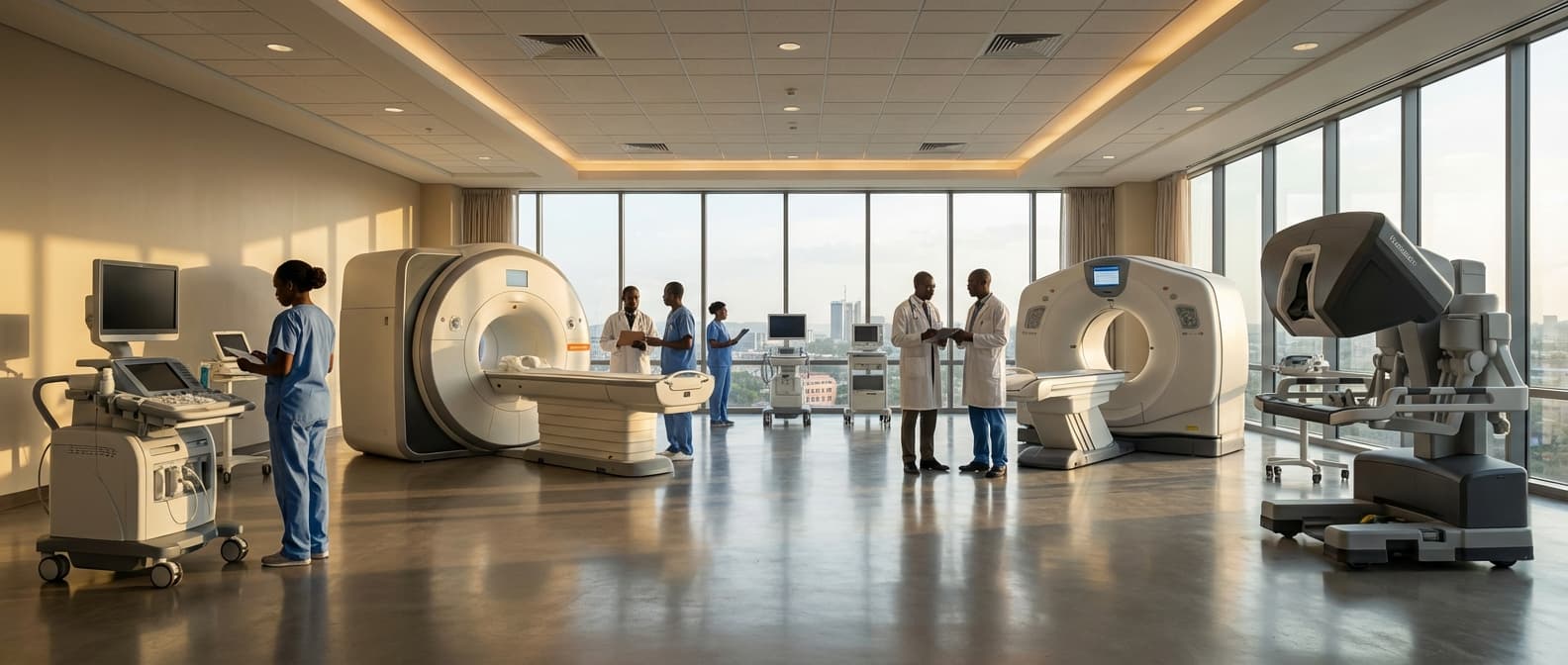
Life Support & Consumables in Algeria
Engineering Excellence & Technical Support
Reliable supply of essential medical consumables and life support equipment ensuring uninterrupted, quality patient care delivery. High-standard technical execution following OEM protocols and local regulatory frameworks.
Enhanced Oxygen Generation Capacity
Successfully deployed and commissioned advanced Pressure Swing Adsorption (PSA) oxygen generators, significantly increasing on-site medical oxygen production capacity for remote healthcare facilities across Algeria. This initiative ensures a consistent and reliable supply, crucial for critical patient care in challenging environments.
Modular Water Purification Systems
Implemented a series of mobile, solar-powered water purification units designed for rapid deployment in disaster-affected or underserved regions of Algeria. These systems provide safe drinking water by removing contaminants to WHO standards, directly addressing acute needs for hygiene and health in emergency situations.
Drone-Delivered Pharmaceutical Logistics
Pioneered the use of autonomous drones for the delivery of critical temperature-sensitive medications and life-saving consumables to isolated communities and medical outposts. This technology overcomes geographical barriers and infrastructure limitations, reducing delivery times and ensuring timely access to essential supplies.
What Is Life Support & Consumables In Algeria?
Life Support & Consumables in Algeria refers to the provision of essential goods, services, and equipment necessary for the sustained operation of individuals, organizations, or critical infrastructure in remote, challenging, or high-risk environments within Algerian territory. This encompasses a broad spectrum of requirements, ranging from immediate survival needs to the operational continuity of specialized activities. The core objective is to ensure the well-being, safety, and functional capacity of those dependent on these provisions, mitigating risks associated with environmental isolation, logistical complexities, and emergent situations.
| Who Needs Life Support & Consumables in Algeria | Typical Use Cases |
|---|---|
| Oil and Gas Industry Personnel: Engineers, technicians, geologists, and support staff operating in remote exploration, drilling, and production sites. | Sustaining operations in desert, offshore, or otherwise isolated field locations. Providing daily necessities for extended work rotations. Emergency response in case of incidents. Maintaining remote operational bases. |
| Mining Operations Staff: Personnel involved in extraction and processing activities in geologically challenging or remote areas. | Ensuring continuity of work in isolated mining camps. Supplying essential resources for personnel living on-site. Supporting exploration teams in frontier regions. |
| Military and Defense Forces: Personnel deployed for security operations, peacekeeping missions, or training exercises in remote or austere environments. | Logistical support for deployed units. Provision of food, water, medical supplies, and shelter. Maintaining operational readiness in challenging terrain or hostile conditions. |
| Humanitarian Aid Organizations: Staff and volunteers delivering assistance in regions affected by natural disasters, conflict, or extreme poverty. | Establishing temporary camps and providing essential supplies to displaced populations. Supporting medical outreach programs. Ensuring the safety and well-being of aid workers. |
| Construction and Infrastructure Projects: Workers and supervisors engaged in large-scale projects in remote or underserved areas. | Facilitating the establishment and sustenance of work camps. Supplying materials and equipment for project execution. Ensuring adequate living conditions for the workforce. |
| Scientific Research Expeditions: Researchers and support staff conducting studies in remote geological, biological, or archaeological sites. | Providing resources for extended field research. Ensuring communication and safety protocols are met. Managing waste and environmental impact. |
| Government and Public Sector Agencies: Personnel involved in border security, disaster management, or remote infrastructure maintenance. | Supporting remote monitoring stations. Providing emergency supplies during natural events. Ensuring personnel operating in isolated government facilities are adequately provisioned. |
Key Components of Life Support & Consumables in Algeria
- Potable Water: Sourcing, purification, and distribution of safe drinking water.
- Food and Nutrition: Provision of adequate and nutritionally balanced food supplies, including shelf-stable, frozen, and fresh options.
- Medical Supplies and Services: Pharmaceuticals, medical equipment, first-aid kits, emergency medical personnel, and potentially field medical facilities.
- Shelter and Accommodation: Temporary or semi-permanent structures, tents, prefabricated units, and associated amenities for housing.
- Energy and Power: Fuel for generators, batteries, solar power solutions, and other energy sources to support operations and essential services.
- Hygiene and Sanitation: Waste management, sanitation facilities, cleaning supplies, and personal hygiene products.
- Communication Equipment: Satellite phones, radios, internet connectivity solutions for maintaining contact and operational coordination.
- Transportation and Logistics: Vehicles, fuel, maintenance, and personnel for the movement of personnel and supplies.
- Security Services: Personnel and equipment for ensuring the safety and security of personnel and assets.
- Specialized Equipment: Depending on the context, this could include drilling consumables, scientific equipment, construction materials, etc.
Who Needs Life Support & Consumables In Algeria?
This document outlines the target customer segments and departments within Algeria that require life support and consumables. This encompasses a broad range of sectors, from emergency services and healthcare to industrial operations and research facilities, all of which rely on specialized supplies to ensure safety, operational continuity, and well-being. Understanding these needs is crucial for suppliers and service providers operating in the Algerian market.
| Customer Segment | Specific Departments/Organizations | Types of Life Support & Consumables Needed | Key Needs & Applications | ||||||||||||||||
|---|---|---|---|---|---|---|---|---|---|---|---|---|---|---|---|---|---|---|---|
| Healthcare Sector | Hospitals (Public & Private), Clinics, Laboratories, Blood Banks, Dialysis Centers, Pharmacies | Medical gases (oxygen, nitrous oxide), IV fluids, sterile dressings, bandages, sutures, personal protective equipment (PPE), diagnostic reagents, laboratory consumables (syringes, vials, culture media), pharmaceuticals, disinfectants, sterilization supplies. | Patient care, surgical procedures, emergency response, diagnostic testing, disease prevention, medication administration, critical care. | Emergency & Public Safety Services | Civil Protection Agencies, Fire Departments, Ambulance Services, Disaster Management Units | First-aid kits, trauma supplies, oxygen cylinders, portable ventilators, stretchers, splints, burn dressings, PPE (respirators, chemical suits), communication equipment consumables, water purification tablets. | Emergency medical response, search and rescue operations, disaster relief, fire fighting support, hazardous material containment. | Industrial & Energy Sector | Oil & Gas Exploration/Production, Petrochemical Plants, Manufacturing Facilities, Mining Operations, Construction Sites | Respirators, SCBA (Self-Contained Breathing Apparatus), safety harnesses, fall arrest systems, chemical spill kits, first-aid stations, water, food rations, hygiene supplies, gas detection consumables, lubricants, specialized cleaning agents. | Worker safety in hazardous environments, emergency preparedness, maintenance operations, remote site support, industrial hygiene, fire prevention. | Research & Development Institutions | Universities, Research Institutes, Biotechnology Labs, Environmental Monitoring Agencies | Laboratory chemicals, biological reagents, sterile consumables (pipette tips, microplates), specialized gases, culture media, PPE, waste disposal consumables, analytical standards. | Scientific research, drug discovery, environmental analysis, quality control, advanced diagnostics. | Military & Defense | Army, Navy, Air Force, Special Forces, Military Hospitals | Medical kits (field and tactical), combat casualty care supplies, oxygen generators, water purification systems, field rations, hygiene kits, NBC (Nuclear, Biological, Chemical) protective gear consumables, communication battery consumables. | Combat support, medical evacuation, battlefield medicine, troop welfare in remote and operational environments, disaster response support. |
Key Target Customer Segments & Departments in Algeria Requiring Life Support & Consumables
- Healthcare Sector
- Emergency & Public Safety Services
- Industrial & Energy Sector
- Research & Development Institutions
- Military & Defense
Life Support & Consumables Process In Algeria
The workflow for life support and consumables procurement in Algeria typically involves a structured process from initial inquiry to final execution. This process is crucial for ensuring that essential supplies, ranging from medical equipment and pharmaceuticals to general provisions for personnel, are acquired efficiently and compliantly with local regulations. The specific steps can vary based on the nature of the organization (e.g., government agency, international NGO, private company operating in Algeria), the type of consumables, and the urgency of the need. However, a general framework can be outlined.
| Stage | Description | Key Activities | Responsible Parties | Potential Challenges |
|---|---|---|---|---|
| Initial identification of requirements for life support and consumables. | Define specific needs (quantities, specifications, quality standards). | Procurement Department, End-User Department, Logistics | Unclear specifications, inaccurate demand forecasting. |
| Locating and vetting potential suppliers who can meet the requirements. | Market research, supplier databases, due diligence checks (legal, financial, technical). | Procurement Department, Legal Department | Limited local supplier base, difficulty in verifying supplier credentials. |
| Formal request to pre-qualified suppliers for pricing and product information. | Develop RFQ/Tender documents, distribute to suppliers, set submission deadlines. | Procurement Department | Complex tender procedures, lengthy submission times, supplier confusion. |
| Assessing submitted proposals against defined criteria. | Review technical compliance, price, delivery timelines, supplier reputation. | Procurement Committee, Technical Experts | Subjectivity in evaluation, conflicts of interest, delays in decision-making. |
| Finalizing terms and conditions with the selected supplier. | Negotiate pricing, payment terms, delivery schedules, warranties, service level agreements. | Procurement Department, Legal Department, Finance Department | Strained negotiations, disagreements on terms, legal complications. |
| Formal document authorizing the purchase from the selected supplier. | Generate and issue PO, obtain necessary approvals. | Procurement Department, Finance Department | Errors in PO, delays in internal approvals. |
| Managing the transportation and customs clearance of goods into Algeria. | Arrange shipping, prepare import documentation, navigate customs regulations, pay duties and taxes. | Logistics Department, Clearing Agent | Customs delays, import restrictions, documentation errors, fluctuating shipping costs. |
| Receiving and verifying the delivered goods. | Inspect goods for quantity and quality, confirm against PO, issue goods received note (GRN). | Logistics Department, End-User Department | Damaged or incorrect goods, discrepancies in delivery, late deliveries. |
| Processing payment to the supplier and reconciling accounts. | Submit invoices, verify against GRN and PO, process payment, reconcile financial records. | Finance Department, Accounts Payable | Payment delays, invoice discrepancies, audit issues. |
| Tracking stock levels and reporting on consumption and future needs. | Update inventory records, monitor stock levels, forecast future requirements, generate reports. | Logistics Department, Procurement Department | Inaccurate inventory data, stockouts, overstocking, lack of proper reporting. |
Life Support & Consumables Process in Algeria
- Inquiry & Needs Assessment
- Supplier Identification & Pre-qualification
- Request for Quotation (RFQ) / Tender Process
- Proposal Evaluation & Selection
- Contract Negotiation & Award
- Purchase Order (PO) Issuance
- Logistics & Importation (if applicable)
- Delivery & Acceptance
- Payment & Reconciliation
- Inventory Management & Reporting
Life Support & Consumables Cost In Algeria
The cost of life support and consumables in Algeria is influenced by a variety of factors, including import duties, local production capabilities, transportation infrastructure, and global market prices. Due to the country's reliance on imports for many specialized medical supplies and equipment, currency exchange rates and government regulations play a significant role in determining the final price for consumers and healthcare providers. The Algerian Dinar (DZD) is the local currency, and prices can fluctuate considerably based on these economic and regulatory conditions.
| Item Category | Estimated Price Range (DZD) | Notes |
|---|---|---|
| Basic Medical Consumables (e.g., bandages, syringes, sterile gauze) | 100 - 1,500 | Prices vary significantly by brand, quantity, and sterile packaging. Locally produced options are more affordable. |
| Diagnostic Test Kits (e.g., blood glucose strips, pregnancy tests) | 500 - 5,000 | Dependent on the type of test, accuracy, and brand. Imported kits tend to be at the higher end. |
| Respiratory Support Equipment (e.g., oxygen masks, nebulizer kits) | 2,000 - 20,000 | Nebulizer machines themselves can range from 10,000 to 50,000+ DZD. Consumable kits for these are priced separately. |
| Intravenous (IV) Supplies (e.g., IV bags, tubing, catheters) | 300 - 3,000 | Sterile, single-use items. Prices depend on complexity and volume. |
| Wound Care Products (e.g., specialized dressings, antiseptics) | 400 - 4,000 | Advanced wound care products are more expensive than standard dressings. |
| Basic Personal Protective Equipment (PPE) (e.g., disposable gloves, masks) | 50 - 500 | Prices are highly sensitive to bulk purchases and current global demand for PPE. |
| Laboratory Reagents and Solutions | 1,000 - 15,000+ | Highly specialized and dependent on the specific reagent and supplier. Often imported. |
| Dialysis Consumables (e.g., dialyzers, tubing sets) | 10,000 - 50,000+ | These are high-cost, specialized items, often imported and subject to specific healthcare contracts. |
Key Factors Influencing Life Support & Consumables Costs in Algeria
- Import Duties and Tariffs: Government taxes levied on imported goods directly increase the final cost.
- Currency Exchange Rates: Fluctuations in the DZD against major currencies (USD, EUR) impact the cost of imported items.
- Local Manufacturing vs. Imports: Items produced locally generally have lower costs than imported equivalents.
- Transportation and Logistics: The cost of shipping, customs clearance, and local distribution adds to the overall price.
- Regulatory Approvals: The process and associated fees for obtaining regulatory approval for medical devices and consumables can be a cost factor.
- Brand and Quality: Premium brands and higher-quality, specialized products typically command higher prices.
- Supplier Margins: Wholesalers and retailers add their profit margins, influencing the end-user price.
- Demand and Availability: Market demand and the consistent availability of specific items affect pricing strategies.
Affordable Life Support & Consumables Options
Navigating the world of life support and consumables can feel overwhelming, especially when budget is a primary concern. This guide aims to demystify cost-effective options, focusing on value bundles and practical cost-saving strategies. By understanding what constitutes a 'value bundle' and implementing smart purchasing habits, individuals and healthcare providers can significantly reduce expenses without compromising on essential care.
| Value Bundle Type | Description | Cost-Saving Benefit | Considerations |
|---|---|---|---|
| Starter Kits | Bundles of essential items for a specific condition or use (e.g., ostomy starter kit, wound care kit). | Convenience and often a slight discount compared to purchasing items individually. | Ensure all items in the bundle are needed. May be less flexible than customizing. |
| Subscription Boxes (Consumables) | Regular delivery of recurring consumables (e.g., catheters, incontinence supplies, dressings) on a set schedule. | Potential for discounted pricing and consistent supply management. Reduces the need for manual reordering. | Requires a commitment. Monitor pricing to ensure it remains competitive. |
| Multi-Item Discounts | Discounts offered when purchasing a set number of different or related items from the same supplier. | Encourages purchasing complementary supplies together, leading to overall savings. | Ensure the bundled items are genuinely needed and will be used. |
| Medical Equipment & Supply Packages | Bundled deals that include a larger piece of equipment (e.g., CPAP machine, oxygen concentrator) with a starter set of related consumables. | Significant upfront savings on both equipment and initial supplies. | Evaluate the long-term cost of consumables included in the bundle. |
Key Cost-Saving Strategies:
- Prioritize Bulk Purchasing: For frequently used consumables like bandages, syringes, and certain medications, buying in larger quantities often unlocks lower per-unit prices.
- Explore Generic vs. Brand Name: For many medications and medical supplies, generic alternatives offer the same efficacy and safety as their brand-name counterparts at a fraction of the cost.
- Investigate Reusable Equipment: Where appropriate and safe, consider reusable items like certain types of nebulizer masks or washable wound dressings. Ensure proper sterilization protocols are followed.
- Leverage Insurance and Assistance Programs: Thoroughly understand your insurance coverage for medical supplies and equipment. Explore government assistance programs or charitable organizations that may offer subsidies.
- Negotiate with Suppliers: For larger institutions or frequent buyers, don't hesitate to negotiate pricing with medical supply vendors. Building long-term relationships can lead to better terms.
- Utilize Subscription Services (with caution): Some suppliers offer subscription models for recurring consumables. While this can provide convenience and sometimes discounts, ensure the cost is truly lower than bulk purchasing.
- Focus on Preventative Care: Maintaining good health through preventative measures can reduce the need for extensive life support and costly consumables in the long run.
Verified Providers In Algeria
In Algeria's evolving healthcare landscape, discerning reliable and high-quality medical services is paramount. Franance Health stands out as a beacon of trust, meticulously vetting and certifying healthcare providers across the nation. Their rigorous credentialing process ensures that all affiliated providers meet stringent standards for medical expertise, ethical practice, and patient care. Choosing a Franance Health-verified provider means opting for transparency, accountability, and ultimately, superior health outcomes.
| Franance Health Verification Component | What it Assesses | Benefit to Patients |
|---|---|---|
| Medical Licensure & Qualifications | Ensures providers possess valid and current medical licenses and have completed accredited educational programs. | Guarantees that practitioners have the foundational knowledge and legal authorization to practice medicine. |
| Professional Experience & Competency | Evaluates a provider's years of practice, surgical history, and demonstrated expertise in their specialized field. | Connects patients with experienced doctors and surgeons who have a history of successful treatments and procedures. |
| Adherence to Ethical Standards | Reviews disciplinary actions, malpractice claims, and commitment to patient rights and confidentiality. | Provides assurance of trustworthy and respectful medical care, prioritizing patient interests. |
| Facility & Equipment Standards | Assesses the quality of medical facilities, equipment, and hygiene protocols. | Ensures that treatments are administered in safe, well-equipped, and sterile environments. |
| Continuing Medical Education (CME) | Verifies that providers are actively engaged in ongoing learning to stay abreast of the latest medical advancements. | Confirms that patients are receiving care based on the most current and effective medical practices. |
Why Franance Health Credentials Matter for Algerian Patients
- Unwavering commitment to patient safety and well-being.
- Access to specialists with proven track records and up-to-date knowledge.
- Reduced risk of medical errors and malpractice.
- Enhanced patient confidence and peace of mind.
- A streamlined and trustworthy healthcare experience.
Scope Of Work For Life Support & Consumables
This Scope of Work (SOW) outlines the requirements for Life Support & Consumables, detailing the technical deliverables and standard specifications necessary for successful project execution. The objective is to ensure the provision of high-quality, reliable life support systems and essential consumables to meet the defined operational needs.
| Category | Technical Deliverable | Standard Specifications |
|---|---|---|
| Life Support Systems (LSS) | Design Documentation (CAD drawings, P&IDs, system architecture) | Compliance with ISO 13485, FDA regulations (if applicable), specific mission/facility standards (e.g., NASA standards, industry best practices). |
| Life Support Systems (LSS) | System Installation & Commissioning Report | Verification against design specifications, performance validation under simulated/actual operating conditions, adherence to safety protocols. |
| Life Support Systems (LSS) | Maintenance & Repair Procedures (SOPs) | Detailed step-by-step guides, failure mode and effects analysis (FMEA), recommended maintenance intervals. |
| Consumables | Procurement Specifications (SKUs, quantities, quality standards) | Certifications of analysis (CoA), material safety data sheets (MSDS), shelf-life management, adherence to approved vendor lists. |
| Consumables | Inventory Management System (IMS) Data | Real-time tracking, stock level alerts, expiration date monitoring, audit trails. |
| Consumables | Storage and Handling Guidelines | Temperature and humidity control requirements, segregation of incompatible materials, proper labeling and packaging. |
| Environmental Control & Life Support | Atmospheric Composition Monitoring Report | Oxygen, Nitrogen, CO2 levels within specified ranges (e.g., 19.5-23.5% O2, <0.5% CO2), particulate matter limits. |
| Environmental Control & Life Support | Temperature and Humidity Control Report | Temperature range (e.g., 20-25°C), relative humidity range (e.g., 40-60%). |
| Water Management Systems | Water Quality Test Reports (Potable and Wastewater) | Compliance with EPA drinking water standards, microbiological testing, chemical analysis. |
| Water Management Systems | Water System Performance & Efficiency Metrics | Recycling rates, purification efficacy, flow rates, energy consumption. |
| Waste Management Systems | Waste Stream Characterization and Disposal Plans | Classification of waste (hazardous, non-hazardous), approved disposal methods, regulatory compliance. |
| Waste Management Systems | Waste Processing and Reduction Reports | Volume reduction achieved, treatment efficacy, odor control metrics. |
| Food and Nutrition | Nutritional Value Analysis of Food Supplies | Macronutrient and micronutrient profiles meeting recommended daily allowances (RDAs) or mission-specific requirements. |
| Food and Nutrition | Food Safety and Handling Certifications | HACCP plans, temperature control during transport and storage, expiration date management. |
| Medical Supplies and Equipment | Inventory of Medical Kits and Equipment | Categorization by purpose (first aid, emergency, diagnostic), expiration date tracking, calibration records for equipment. |
| Medical Supplies and Equipment | Medical Device Compliance Certificates | FDA clearance/approval, CE marking (if applicable), manufacturer warranties. |
| Personal Protective Equipment (PPE) | PPE Specification Sheets and Certifications | Material specifications, performance standards (e.g., ANSI, EN standards), suitability for intended hazards. |
| Personal Protective Equipment (PPE) | PPE Maintenance and Replacement Schedule | Inspection frequency, cleaning procedures, replacement criteria based on usage and degradation. |
Key Areas Covered
- Life Support Systems (LSS): Design, installation, testing, and maintenance of all LSS components.
- Consumables Management: Procurement, storage, inventory, and distribution of all consumable items.
- Environmental Control and Life Support Systems (ECLSS): Ensuring optimal cabin atmosphere, temperature, and humidity.
- Water Management Systems (WMS): Supply, purification, and recycling of potable and wastewater.
- Waste Management Systems (WMS): Collection, treatment, and disposal of all waste streams.
- Food and Nutrition: Provision of appropriate food supplies and nutritional planning.
- Medical Supplies and Equipment: Availability of essential medical items and equipment for health monitoring and emergency response.
- Personal Protective Equipment (PPE): Supply and maintenance of all required PPE.
- Operational Support and Training: Providing necessary training for system operation and maintenance.
- Documentation and Reporting: Maintaining comprehensive records and generating required reports.
Service Level Agreement For Life Support & Consumables
This Service Level Agreement (SLA) outlines the performance standards and guarantees for the provision of Life Support & Consumables. It defines the expected response times and uptime for critical services and the associated remedies for non-compliance.
| Service Category | Uptime Guarantee | Response Time (Critical Failure) | Response Time (Non-Critical Issue) |
|---|---|---|---|
| Primary Life Support Systems (e.g., Ventilators, Dialysis Machines) | 99.9% Uptime | 15 Minutes | 2 Business Hours |
| Essential Consumables (e.g., Oxygen Cylinders, IV Fluids) | 99.5% Availability | 30 Minutes | 4 Business Hours |
| Secondary/Ancillary Life Support Equipment | 99.0% Uptime | 1 Hour | 8 Business Hours |
Definitions
- Service: Refers to the supply and maintenance of life support equipment and associated consumables as detailed in the accompanying Product/Service Specification document.
- Critical Failure: A condition where the life support equipment is non-operational or functioning in a manner that poses an immediate threat to patient safety.
- Service Interruption: A period during which the Service is unavailable or significantly degraded, impacting the intended use of the life support equipment.
- Downtime: The cumulative duration of Service Interruptions within a defined measurement period.
- Response Time: The maximum time allowed from the reporting of an issue to the initiation of corrective action by the Service Provider.
- Uptime: The percentage of time the Service is available and functioning as per the agreed specifications.
Frequently Asked Questions

Ready when you are
Let's scope your Life Support & Consumables in Algeria project in Algeria.

Scaling healthcare logistics and technical systems across the entire continent.